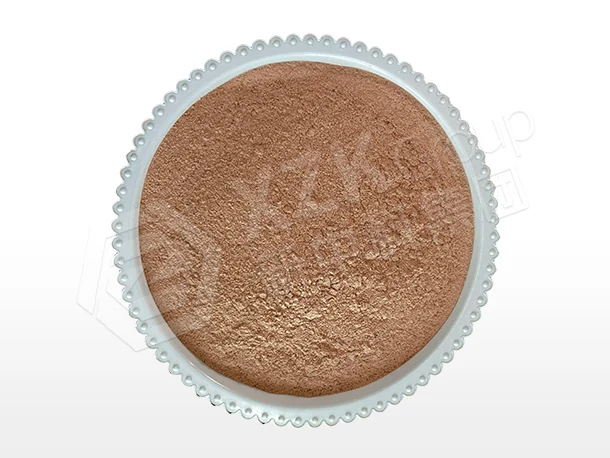
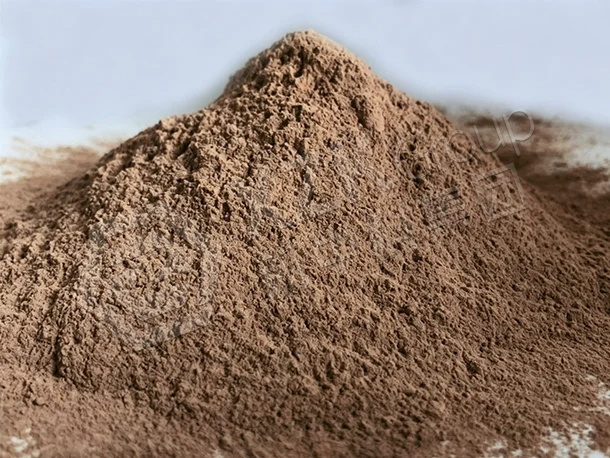
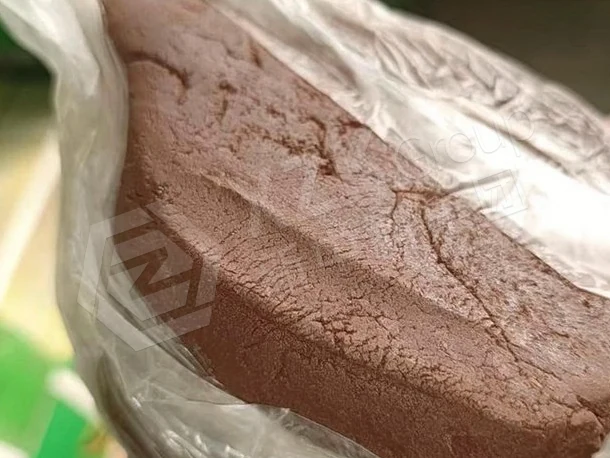
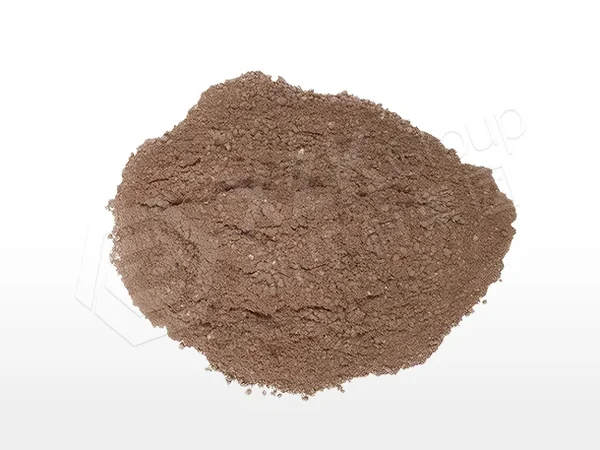
Magnesia Hot Repairing Mass (Fettling) for BOF and EAF Lining Maintenance
MgO ≥ 80% · Placed on the hot face and sintered in situ · Graded to the repair zone · For converter and electric furnace campaigns between relines.
Specifications of XZK Magnesia Hot Repairing Mass
Manufactured strictly in accordance with ASTM, ISO, and YB/T metallurgical refractory standards.
| Property | Typical Value |
|---|---|
| MgO (%) | ≥ 80 |
| SiO₂ (%) ≤ | 5.0 |
| Fe₂O₃ (%) ≤ | 2.5 |
| Bulk density (g/cm³) | 2.2 – 2.5 |
| Grain size (mm) | Graded to placement method |
| Adhesion to hot face | Bonds on contact, sintered in situ |
| Max service temperature (°C) | 1700 |
| Placement | Throwing, chute or gunning |
Values are typical production averages, not guaranteed minima. Grading is adjusted to the vessel, the zone being repaired and its surface temperature — a single grade used across a whole campaign will under-perform somewhere. A batch Certificate of Analysis is issued for every shipment; third-party inspection (SGS / BV / TÜV) can be arranged on request.
About XZK Magnesia Hot Repairing Mass
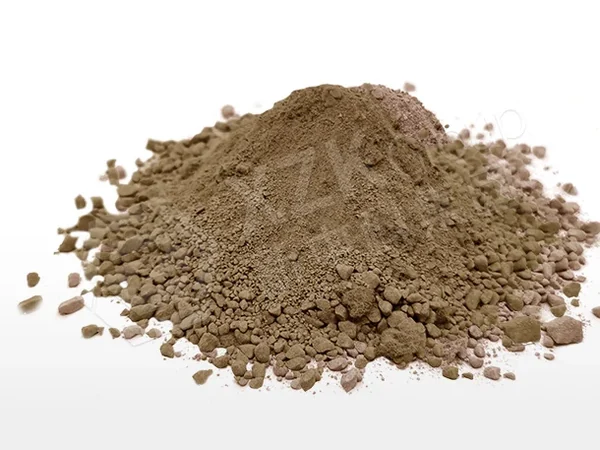
Magnesia hot repairing mass is a fettling material — a granular magnesia mix charged onto a hot lining, where furnace temperature sinters it in place. It exists for a specific job: rebuilding worn areas of a converter or electric furnace without taking the vessel out of service. Where a gunning mix is sprayed onto a wall, a repairing mass is thrown or fed onto a hot surface, typically at the furnace bottom and banks, and left to sinter under the heat already present.
Why It Works Without Firing
The lining is already at temperature. A magnesia mass placed on it begins to sinter immediately at the contact surface, bonding to the existing hot face. That is the mechanism and also the constraint: the material must sinter fast enough to bond before it can run or be cut away by slag, and slowly enough that a worker has time to place it. Grain grading and the sintering additives are what set that window.
Where It Is Used
- BOF converter bottoms and banks — rebuilding areas eroded by slag and charging impact between campaigns, without a full reline.
- EAF bottoms and hot spots — maintaining the hearth and the areas in front of the electrodes where local wear is fastest.
- Ladle and vessel bottoms — local repair of eroded areas where a full reline is not justified.
What Makes One Mass Better Than Another
Three things decide whether a fettling campaign buys useful life or just delays the inevitable:
- Bonding to the existing hot face. A mass that does not bond sits as a loose layer and is gone within a heat or two. Adhesion to the residual lining is the property that matters most and the one least often specified.
- Sintering behaviour at the actual surface temperature. The repair area is not uniformly hot. Material placed on a cooler shoulder needs a different sintering response from material on a hot bottom, and a single grade used everywhere will under-perform somewhere.
- Slag resistance once sintered. A repair that resists placement but not slag simply relocates the wear.
Honest Limits
Fettling is maintenance, not a reline. It buys campaign time and it is very good value when the wear is localised — and it is the wrong tool when the lining is worn broadly or the vessel is close to the end of its campaign. If you send us wear measurements and the areas involved, we will say whether a repair campaign is likely to be worthwhile or whether it is time to plan the reline. We would rather tell you that than sell mass for a vessel that will not benefit.
Supply
Minimum order 5 metric tons, shipped in 7–14 days, with grading adjusted to the placement method (throwing, chute or gunning) and the areas being repaired. Batch test data covers MgO content, grain size distribution, bulk density and sintering behaviour, with a Certificate of Analysis per shipment. If you can tell us the vessel type, the zones being repaired and their surface temperatures, we will grade the mass for each zone rather than supplying one grade for the whole campaign.
Magnesia Hot Repairing Mass — Production & Application Scenarios
Premium raw materials, CNC pressing, high-temp firing, and on-site installation.
Advantages of Choosing XZK Magnesia Hot Repairing Mass
Bonds to the Existing Hot Face
Adhesion to the residual lining is the property that decides whether a repair lasts or sits as a loose layer. It is the figure we test and the one most often left unspecified elsewhere.
Sintered by Furnace Heat, Not Firing
Placed on a hot surface, the mass sinters in place immediately. That is what allows repair without taking the vessel out of service.
Graded per Repair Zone
The repair area is not uniformly hot. Material for a cooler shoulder differs from material for a hot bottom, and we grade accordingly rather than supplying one grade for the campaign.
Slag Resistance After Sintering
A repair that resists placement but not slag only relocates the wear. Slag resistance of the sintered mass is specified, not assumed.
Specific Applications of Magnesia Hot Repairing Mass
Proven performance across diverse heavy industrial thermal equipment.
BOF Converter Bottom and Banks
Rebuilding areas eroded by slag and charging impact between campaigns, without a full reline.
EAF Hearth and Hot Spots
Maintaining the hearth and the areas in front of the electrodes where local wear is fastest.
Ladle and Vessel Bottoms
Local repair of eroded areas where a full reline is not justified on cost or schedule.
Campaign Life Extension
Planned fettling programmes that buy service time between scheduled relines.
400+ Furnaces Trust XZK Refractory Solutions
Over 75% of our international steel and kiln clients continue multi-year long-term procurement partnerships.
We were losing the bottom in front of the electrodes faster than the rest of the lining. Zoned repair mass evened that out and we got the full campaign.
They asked for surface temperatures in each repair area before recommending a grade. That is not something we are usually asked.
The material bonds. We had used a cheaper mass before that simply ran off the hot face, which wasted a whole repair shift.
They told us a campaign was not worth repairing and to plan the reline instead. It cost them the sale and saved us a lot of wasted effort.
Frequently Asked Engineering Questions
Click any question to expand; only one answer is shown at a time.
How is this different from magnesia gunning mix?
Placement and use. Gunning mix is sprayed onto a wall to rebuild a broad surface. A repairing mass is placed on a hot bottom or bank by throwing, chute or gunning and sintered by the heat already in the vessel. They address different wear patterns and are usually specified separately.
Will it bond to the existing lining?
That is the point of the grade. Adhesion to the hot face is the property that decides whether the repair survives, and it depends on sintering behaviour at the actual surface temperature of the repair area. Tell us the surface temperature and we grade for it.
How long does a repair last?
It depends entirely on where it is placed and the operating practice. Where wear is localised, a fettling campaign can buy a substantial part of a campaign. Where the lining is broadly worn, no mass will fix it and we will say so.
Can it be applied by gunning?
Yes. Grading is adjusted to the placement method — throwing, chute or gunning each require a different grain distribution and moisture range.
Where should it be used?
Most commonly BOF bottoms and banks, EAF hearths and hot spots, and locally eroded ladle bottoms. Send us the vessel type, the zones and their surface temperatures and we will grade each zone separately.
Is fettling always the right answer?
No. If the wear is broad or the vessel is near the end of its campaign, a reline is the better decision. We will tell you when a repair campaign is not likely to pay for itself.
What is the MOQ and lead time?
5 metric tons, shipped in 7–14 days, with grading adjusted to the placement method and repair zones.
What documentation is provided?
Batch data covering MgO content, grain size distribution, bulk density and sintering behaviour, plus placement guidance, with a Certificate of Analysis per shipment.
How is it packed?
25 kg moisture-barrier bags on ISPM-15 heat-treated pallets, date-stamped, with 1,000 kg big bags available for bulk fettling.
Related Refractories & Lining Materials
Explore complementary refractory brick grades and monolithic materials for your furnace relining.
Get Your Magnesia Hot Repairing Mass Quote within 12 Hours
Please specify your refractory requirements by referring to the following aspects:
- ✓ Target Application: Furnace type, lining position (slag line, hearth, roof)
- ✓ Technical Specs: Operating temperature, slag chemistry, chemistry requirements
- ✓ Quantity & Dimensions: Tonnage requirement, standard or custom CAD drawing
- ✓ Delivery Terms: FOB Qingdao/Tianjin, CIF destination port
Why Steel Plants Choose XZK Refractories
Zonal Engineering, Not Just Bricks
Every proposal is a zone-by-zone material schedule matched to your furnace profile and operating practice — so all zones reach end-of-life together.
Source Factory Consistency
Fully automatic CNC batching and zero-defect quality control keep batch-to-batch variation at laboratory level.
Proven Global References
Supplied to Baosteel, Shougang, Hyundai Steel, JSW, Severstal, MMK and 400+ furnace projects across 60+ countries.
Full-Lifecycle Service
Lining design, masonry supervision, heat-up curves and failure analysis — plus EPC turnkey delivery for new builds and relines.
Send Us Your Furnace Drawing
Our engineers will return a zonal lining proposal with material schedule and quotation within 48 hours — even for non-standard shapes.
- Free material feasibility review
- Zonal architecture & installation drawings
- Heat-up curve & masonry guidance
Strict ISO 9001 Process Control Across All 6 Workshops
Every batch of raw materials is chemically assayed. Finished refractory shapes undergo density, ultrasonic non-destructive testing, and pre-assembly gap verification prior to global packaging.
- Raw material ICP chemical assay on every incoming batch
- Density, porosity and cold crushing (CCS) tests per ASTM / ISO
- Ultrasonic non-destructive testing of finished shapes
- Pre-assembly gap verification before seaworthy packaging