Magnesia-Carbon & Basic Series · Refractory Series
Magnesia Carbon & Basic Refractories for BOF Converters, EAFs and Steel Ladles
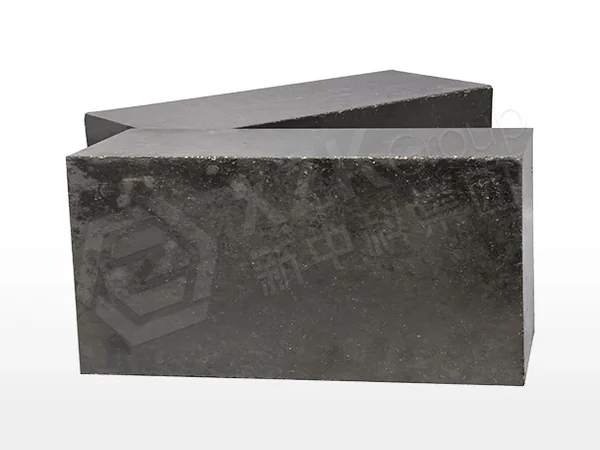
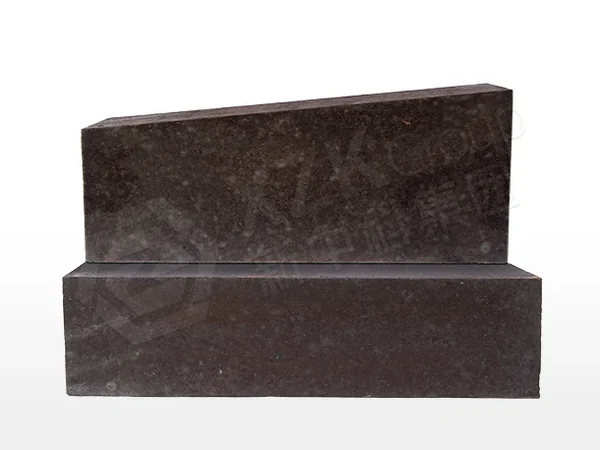
Zonal magnesia-carbon and basic refractory systems for BOF converters, EAFs and steel ladles. High-purity fused magnesite with advanced antioxidant packages — impact-resistant charge pad grades, oxidation-resistant slag line grades and ultra-low-carbon clean-steel variants, engineered for synchronized wear and minimum refractory cost per ton.
- Zonal MgO-C grades from 4% to 19% carbon and 72–89% MgO
- Large-crystal fused magnesite (MgO ≥97%) with Al / Si / SiC / B₄C antioxidant packages
- Tested per ASTM C830, C133, C583 and GB/T 5069 — batch COA with every shipment
- Spinel-forming AMC and MAC grades for clean-steel ladle routes (LF / RH / VD)
- Free 48-hour zone-by-zone lining schedule with consumption forecast
- Magnesia dry ramming masses and gunning mixes for hearth and maintenance
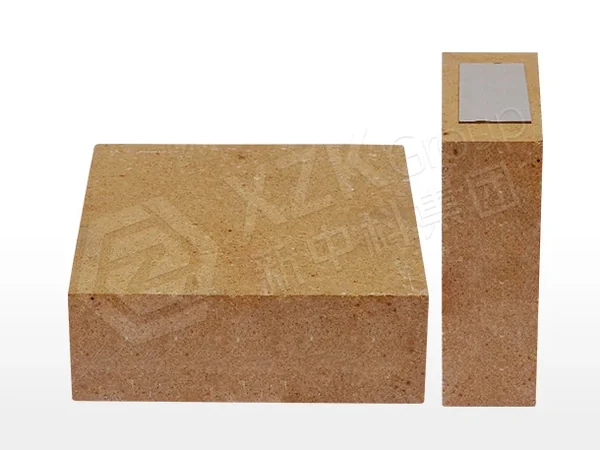
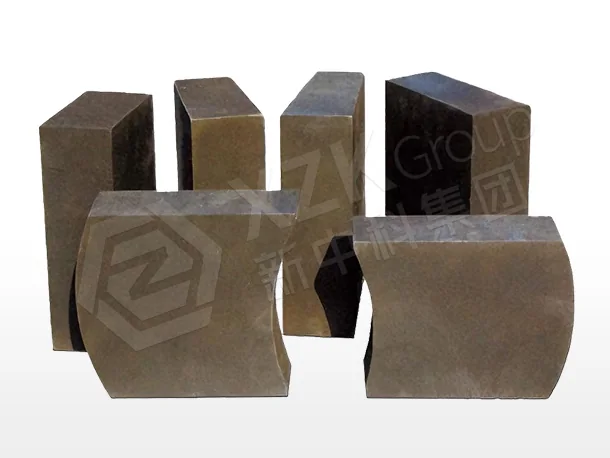
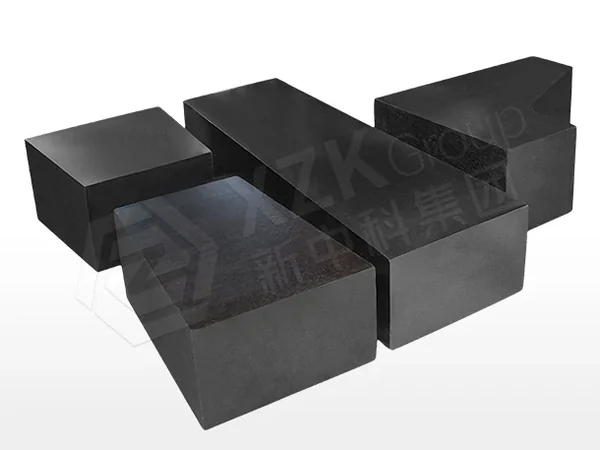
Magnesia-Carbon & Basic Series Product List
Full TDS datasheets available on each product detail page. Click "Get Free Quote" to request factory pricing within 12 hours.
Selection Guide
Free Consultation with Our Engineer
How to Select the Right Magnesia-Carbon & Basic Series Refractory Formulation for Your Furnace
Selecting a Basic Refractory by Position, Not by Price
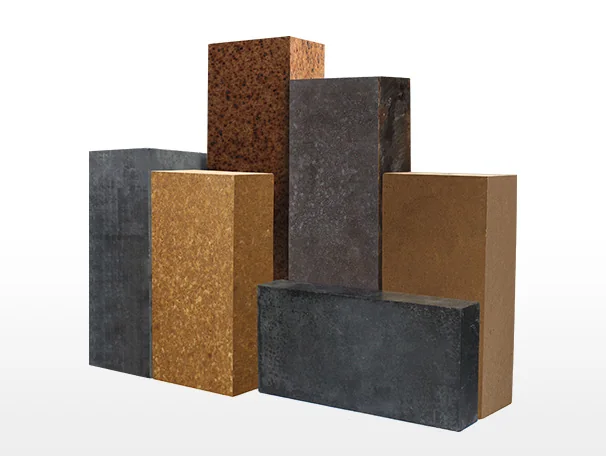
Magnesia-carbon and basic refractories are specified position by position. A single 300 t converter uses roughly fourteen distinct brick positions, and the grade that performs best at the slag line will underperform at the charge pad. Choosing one grade for the whole vessel guarantees that the harshest zone dictates the reline date while the remaining zones are discarded with serviceable thickness left.
Step 1 — Identify the Controlling Wear Mechanism
- Mechanical impact (charge pad, cone, EBT bottom): prioritise cold crushing strength ≥40 MPa and toughness. Carbon 14–17%.
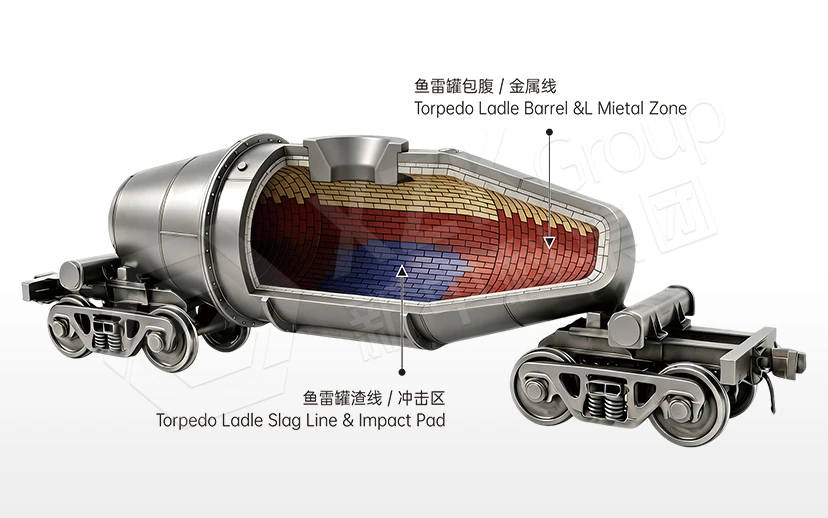
- Chemical dissolution (slag line, metal zone): prioritise MgO purity and carbon content. MgO 75–77%, carbon 14–19%, plus an antioxidant package matched to temperature.
- Oxidation (all hot faces, especially during delays): prioritise the antioxidant system — Al and Si for lower temperatures, SiC and B₄C for the 1400–1600 °C window.
- Carbon pickup risk (ultra-low-carbon and clean steels): move to 10–11% carbon grades, or to carbon-free corundum-spinel castables in the working lining.
Step 2 — Choose the Chemistry Family
- MgO-C — the default for slag lines, hot spots and metal zones in BOF, EAF and ladle service.
- AMC (alumina-magnesia-carbon) — spinel-forming, micro-expanding; the standard choice for ladle sidewalls and bottoms where joint sealing matters.
- MAC (magnesia-alumina-carbon) — used in transition zones between MgO-C slag lines and AMC sidewalls to avoid a sharp property discontinuity.
- Magnesia-chrome — for ferro-alloy and non-ferrous submerged arc furnaces where spinel-bearing slags attack magnesia aggressively.
Step 3 — Match the Monolithics
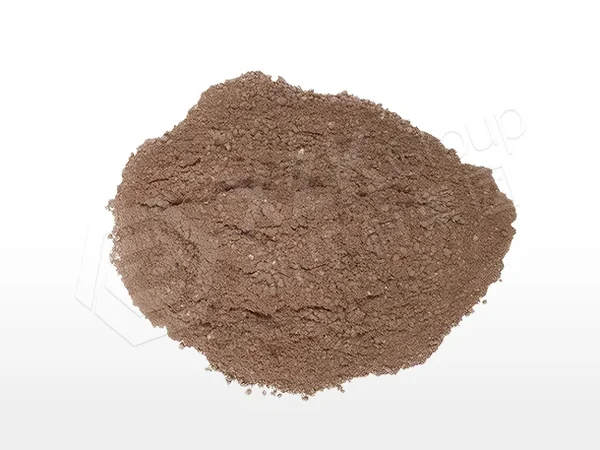
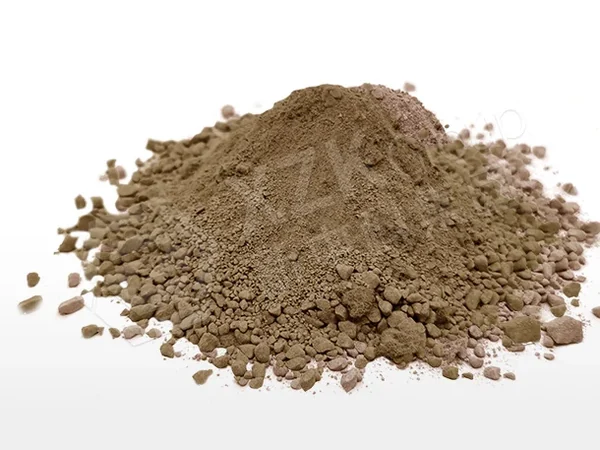
Basic brick linings need compatible monolithics: magnesia dry ramming masses for EAF and induction furnace hearths, and magnesia gunning mixes for slag-line maintenance between planned relines. Gunning is not a substitute for correct grade selection, but it is the cheapest way to level a wear profile and recover weeks of campaign life.
What to Send Us
Vessel type and capacity, steel grades and refining route, slag basicity and FeO content, tapping temperature, current campaign life, and photographs of the worn lining. We will return a zone-by-zone grade map with a consumption forecast and a projected campaign life — free, within 48 hours.
Procurement FAQ — Magnesia-Carbon & Basic Series
MOQ, lead time, packaging, shipment, payment — buyer-side concerns answered for this specific series.
What is the MOQ and lead time?
10 metric tons for standard grades shipping in 7–14 days; 20 metric tons for custom zonal packages and special shapes in 20–35 days including tooling. Taphole and purging plug assemblies are quoted per set.
Do you supply samples?
Yes — 2–3 standard pieces are supplied free of charge, freight collect. Shaped or machined samples are quoted case by case, and we normally ask for the receiving port to calculate courier cost.
How are the bricks packed, and what is the shelf life?
Palletised at 1.0–1.5 metric tons on ISPM-15 fumigated heat-treated wooden pallets with PE stretch wrap, edge protectors and a moisture-barrier liner. Every pallet is date-stamped; shelf life is six months in original sealed packaging, stored dry, under cover and below 40 °C.
What payment and shipping terms do you support?
T/T with deposit or L/C at sight. FOB Qingdao or Tianjin, CIF to your port, and door-to-door delivery are all supported. Framework agreement terms are negotiable for repeat volumes.
Can you provide third-party inspection and full documentation?
Yes. Each shipment carries a batch Certificate of Analysis covering chemistry, bulk density, apparent porosity, CCS and hot modulus of rupture. SGS, BV or TÜV inspection with witnessed sampling can be arranged before loading, and we will work to your own inspector's protocol.
Where Magnesia-Carbon & Basic Series Products Are Installed
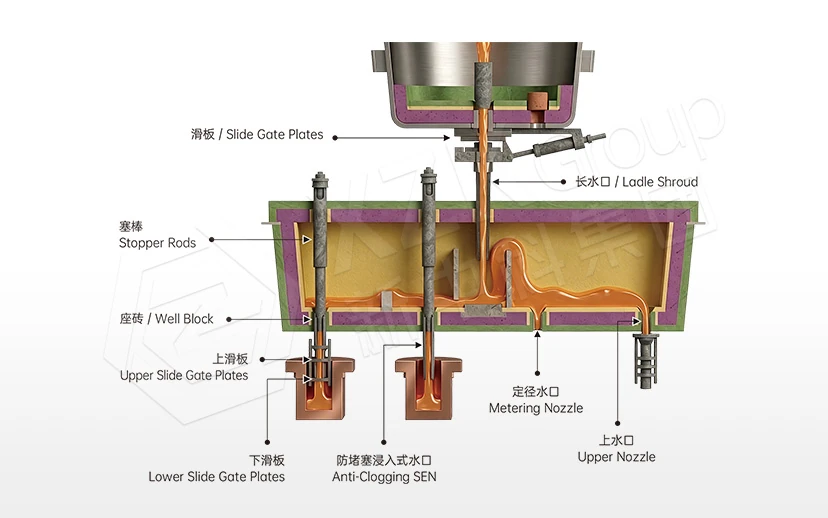
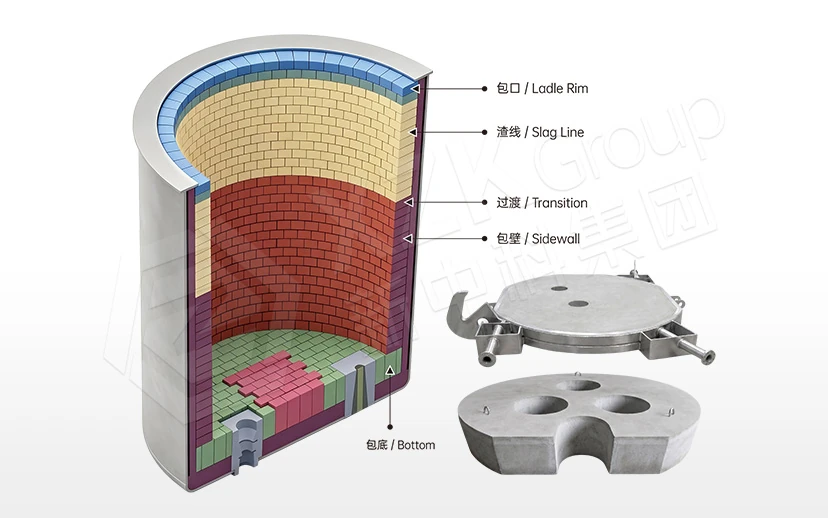
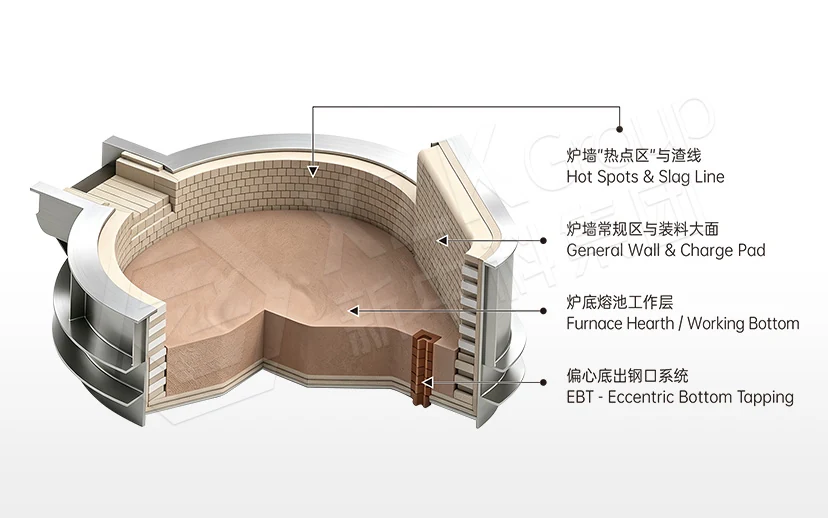
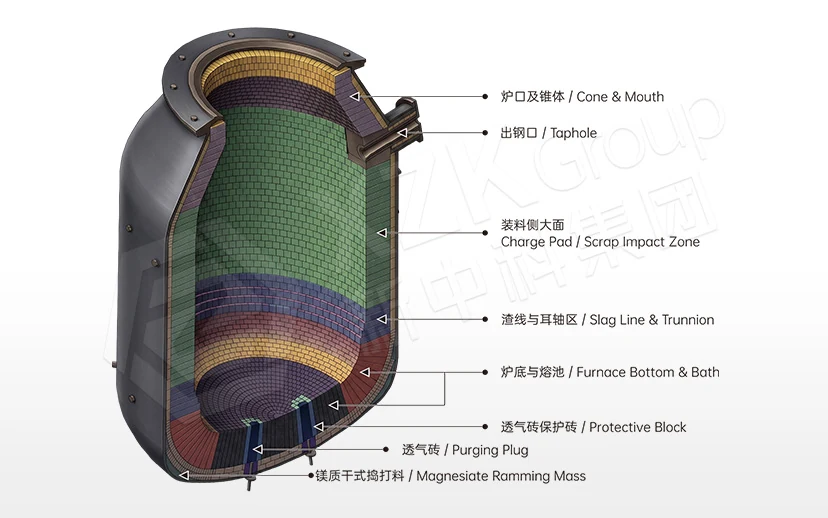
Explore the furnace systems these refractories are engineered for — from blast furnace hearths to continuous casting flow control.
FAQs — Magnesia-Carbon & Basic Series
How do I choose between MgO-C and AMC brick for a ladle sidewall?
AMC (alumina-magnesia-carbon) bricks generate in-situ spinel (MgAl₂O₄) at working temperature, producing 1.5–2% micro-expansion that seals joints and blocks steel penetration — which is why they suit ladle sidewalls. MgO-C bricks, particularly low-carbon high-purity grades, are reserved for the slag line where basic slag dissolution is the controlling mechanism.
What carbon content should I specify at the BOF slag line?
Between 14% and 19%, depending on slag FeO and basicity. Carbon improves slag resistance and thermal conductivity but lowers hot strength, so it belongs at the slag line and metal zone, while the cone and charge pad run 14–16% with higher crushing strength. The safety lining drops to around 4% carbon with 89% MgO to protect steel cleanliness.
Why does MgO-C brick lose strength in storage and how is it prevented?
Resin-bonded MgO-C loses strength when stored damp or above roughly 40 °C, because the bond system begins to cure prematurely. XZK date-stamps every pallet and specifies a six-month shelf life in original sealed packaging, stored dry, under cover and clear of heat sources.
What do antioxidants actually do in a magnesia carbon brick?
Aluminium, silicon, SiC and B₄C react with oxygen before the graphite does, forming carbides and a secondary dense MgO-rich layer that blocks further oxygen ingress. Because carbon oxidation — not slag corrosion — is the dominant life limiter in most converters, antioxidant selection typically delivers more campaign life than simply raising carbon content.
Can MgO-C refractories be used for ultra-low-carbon steel?
Yes, with the right grade. Low-carbon ladle grades in the 10–11% carbon range, or carbon-free corundum-spinel castables for the working lining, keep carbon pickup within specification on IF, LF-VD and RH routes. Tell us your target carbon ceiling and we will select accordingly.
Why is apparent porosity controlled so tightly on these grades?
Apparent porosity is the most reliable predictor of slag penetration depth. XZK holds 2.0–4.0% on slag-line and metal-zone grades, measured per ASTM C830 on every batch, because once slag enters the pore network the brick loses its structural integrity from the inside out.
Why Steel Plants Choose XZK Refractories
Zonal Engineering, Not Just Bricks
Every proposal is a zone-by-zone material schedule matched to your furnace profile and operating practice — so all zones reach end-of-life together.
Source Factory Consistency
Fully automatic CNC batching and zero-defect quality control keep batch-to-batch variation at laboratory level.
Proven Global References
Supplied to Baosteel, Shougang, Hyundai Steel, JSW, Severstal, MMK and 400+ furnace projects across 60+ countries.
Full-Lifecycle Service
Lining design, masonry supervision, heat-up curves and failure analysis — plus EPC turnkey delivery for new builds and relines.
Send Us Your Furnace Drawing
Our engineers will return a zonal lining proposal with material schedule and quotation within 48 hours — even for non-standard shapes.
- Free material feasibility review
- Zonal architecture & installation drawings
- Heat-up curve & masonry guidance
Quality & Traceability
Strict ISO 9001 Process Control Across All 6 Workshops
Every batch of raw materials is chemically assayed. Finished refractory shapes undergo density, ultrasonic non-destructive testing, and pre-assembly gap verification prior to global packaging.
- Raw material ICP chemical assay on every incoming batch
- Density, porosity and cold crushing (CCS) tests per ASTM / ISO
- Ultrasonic non-destructive testing of finished shapes
- Pre-assembly gap verification before seaworthy packaging
100,000+
Metric Tons Annual Capacity
60+
Countries Export Footprint
6
Fully-Equipped Workshops
100%
ISO 9001:2015 Certified