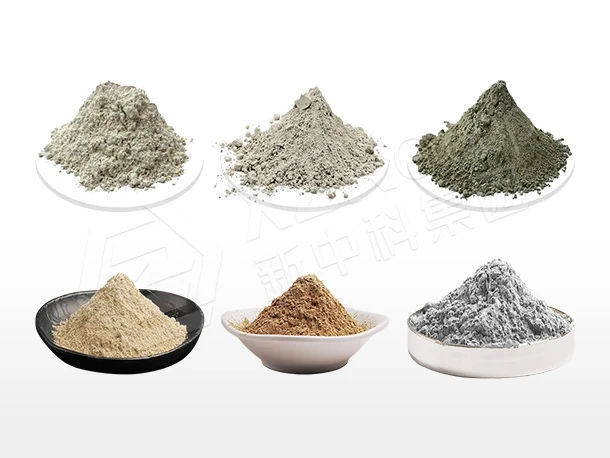
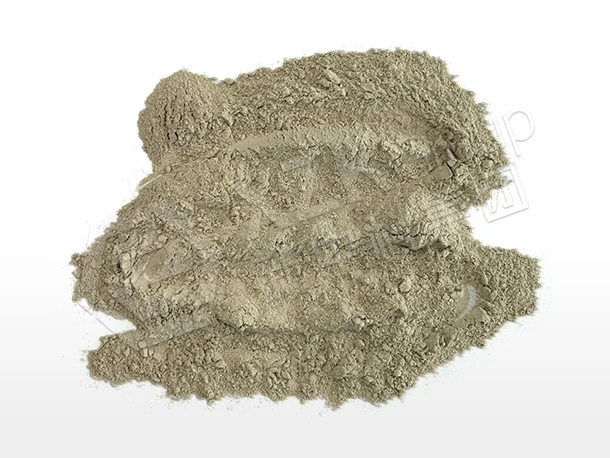
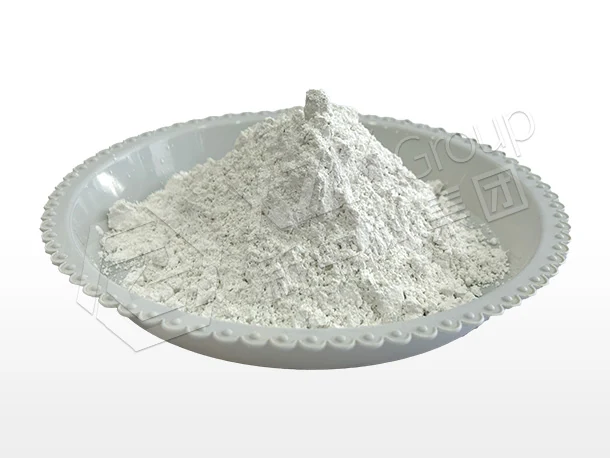
Refractory Mortar for Fireclay, High-Alumina, Corundum, Silica, Magnesia, Carbon and SiC Brickwork
Ten mortar families · Al₂O₃ 30–92% · heat-setting, air-setting and phosphate-bonded systems · chemistry matched to the brick and graded to 1–3 mm joints.
Specifications of XZK Refractory Mortar
Manufactured strictly in accordance with ASTM, ISO, and YB/T metallurgical refractory standards.
| Mortar family | Typical chemistry | Bond system | Matched brick | Max service temp. | Steel plant use |
|---|---|---|---|---|---|
| Fireclay mortar | Al₂O₃ 30 – 45% | Heat-setting | Fireclay and low-duty aluminosilicate brick | 1,300 – 1,400 °C | General masonry, ductwork, low-temperature zones |
| High-alumina mortar | Al₂O₃ 50 – 85% | Heat-setting or air-setting (phosphate) | High-alumina, mullite and bauxite brick | 1,500 – 1,700 °C | Stoves, ladle linings, furnace shafts, casthouse |
| Andalusite / sillimanite mortar | Al₂O₃ 55 – 65% with andalusite aggregate | Heat-setting, low creep | Low-creep andalusite and sillimanite brick | 1,500 – 1,600 °C | Hot blast stove shafts, domes and burner zones |
| Corundum mortar | Al₂O₃ ≥85 – 92% | Heat-setting or phosphate | Corundum, corundum–mullite and chrome-corundum brick | 1,700 – 1,800 °C | Ladle bottoms, impact pads, RH and degasser brickwork |
| Silica mortar | SiO₂ ≥94% | Heat-setting | Silica brick only | 1,600 – 1,700 °C | Stove crowns, coke oven and furnace crowns |
| Magnesia mortar | MgO ≥80 – 88% | Heat-setting or chemical | Magnesia, MgO–C and magnesia-chrome brick | 1,650 – 1,750 °C | Ladle and converter slag lines, basic brickwork |
| Magnesia–spinel mortar | MgO 60 – 75% with spinel | Heat-setting | AMC, MAC and magnesia-alumina-spinel brick | 1,600 – 1,700 °C | Ladle barrels, transition courses between slag line and bottom |
| Carbon mortar | Carbon / graphite bonded, C 30 – 60% | Carbon-bonded (resin or pitch) | Carbon brick, microporous carbon, graphite block | 1,400 – 1,550 °C | Blast furnace hearth, bottom and sidewalls |
| Silicon carbide mortar | SiC 50 – 75% | Heat-setting or phosphate | Si₃N₄-bonded and SiALON-bonded SiC brick | 1,450 – 1,600 °C | Blast furnace stack, bosh, belly and tuyere zones |
| Corundum–SiC mortar | Al₂O₃ 60 – 75% + SiC 15 – 30% | Heat-setting or phosphate | ASC brick (Al₂O₃–SiC–C) and castable linings | 1,500 – 1,650 °C | Casthouse runners, torpedo ladles, iron and slag contact zones |
| Brick being laid | Recommended mortar | Notes |
|---|---|---|
| Fireclay / low-duty aluminosilicate brick | Fireclay mortar, Al₂O₃ 30 – 45% | Match the mortar to the brick, not to the furnace temperature. |
| High-alumina brick (Al₂O₃ 50 – 80%) | High-alumina mortar one grade above the brick | Under-matching leaves the joint as the weakest link; over-matching is wasted cost. |
| Mullite and andalusite brick | Andalusite or mullite mortar | Low-creep grades for hot blast stove duty — strength alone is not the governing property. |
| Corundum / chrome-corundum brick | Corundum mortar, Al₂O₃ ≥85% | Select high-purity grades where steel cleanliness matters. |
| Silica brick | Silica mortar, SiO₂ ≥94% | Never use aluminosilicate mortar against silica brick — incompatible at temperature. |
| Magnesia, MgO–C, magnesia-chrome brick | Magnesia mortar, MgO ≥80% | Match basicity; keep joint thin in slag-exposed positions. |
| AMC / MAC / spinel brick | Magnesia–spinel mortar | Avoids a sharp property step between slag line and barrel. |
| Carbon and microporous carbon brick | Carbon mortar (resin or pitch bonded) | Reduce atmosphere control to the minimum; do not substitute an aluminosilicate mortar. |
| SiC brick (stack, bosh, belly) | Silicon-carbide mortar, SiC 50 – 75% | Alkali resistance of the joint must match the brick. |
| ASC brick / casthouse runner | Corundum–SiC mortar | Thermal cycling and iron/slag erosion both apply. |
| Insulating brick (mullite, alumina bubble) | Matching light-weight mortar | Do not use a dense mortar — it defeats the insulation and can crush the brick. |
Mortar chemistry is matched to the brick being laid and to the slag it will see. Where the design joint thickness, atmosphere or thermal cycle is unusual, tell us and we will grade accordingly rather than supplying the nearest catalogue item. Batch test data and a Certificate of Analysis are issued for every shipment; third-party inspection (SGS / BV / TüV) can be arranged on request.
About XZK Refractory Mortar
Refractory mortar is the cheapest line on a lining bill and the most frequent cause of a lining that fails at the joints rather than in the brick. It has one job: bond the courses, seal the joint against hot gas and slag, and stay intact while the furnace heats and cools. When it does that badly, the working lining is finished long before the brick is worn.
There is no such thing as a general-purpose refractory mortar, because the joint has to match the brick it joins. XZK supplies every mortar family used in iron- and steelmaking — fireclay, high-alumina, andalusite, corundum, silica, magnesia, magnesia–spinel, carbon, silicon carbide and corundum–silicon carbide — in heat-setting, air-setting and phosphate-bonded systems. Send us the brick schedule and we grade the mortar to it.
Why Joints Fail Before the Brick Does
Three failure modes account for most mortar problems in service, and all three are specification or installation issues rather than a question of material cost.
- Chemistry mismatched to the brick. A high-alumina mortar against silica brick, or an aluminosilicate mortar against basic brick, reacts at temperature and either fluxes the brick face or loses its own bond. Chemistry compatibility is not negotiable, and it is the first thing we confirm.
- Joint thickness outside the design range. Mortar is a bonding layer, not a levelling compound. Joints much beyond 2–3 mm become a porous, weakly bonded layer with poor slag resistance; joints below about 1 mm cannot seal reliably. Both end the same way — a hot spot behind the brick face.
- Excess mixing water. Water beyond what the grade requires raises porosity and drying shrinkage, which is the opposite of what a joint needs. It is the single most common installation error and it happens on every continent.
Three Bond Systems, Three Behaviours
Bond type decides when the joint develops strength, and therefore how the lining must be handled before it goes into service.
- Heat-setting (ceramic bond). Strength develops when the furnace is fired. Once sintered, the joint is strong and slag-resistant, but the green bond is weak — the lining depends on good brick fit and correct geometry during construction. This is the traditional system for fireclay and high-alumina brickwork.
- Air-setting (phosphate or silicate bond). Gains handling strength at ambient temperature through a chemical bond. The practical advantage is that a lining can be built weeks ahead of commissioning without the courses shifting, and courses that brick geometry cannot hold are secured by the mortar itself.
- Hydraulic (calcium aluminate). Sets by hydration, giving predictable early strength independent of furnace heat. Used where the joint must develop strength quickly, and in castables and gunning mixes as much as in brickwork.
Where a lining will be fired promptly and brick fit is good, a heat-setting grade gives the better in-service result. Where the schedule is uncertain, air-setting is the difference between a sound lining and a loose one. We grade to the schedule you actually have, not the ideal one.
What We Ask Before Recommending a Grade
- The brick being laid — chemistry, alumina or magnesia content, and whether it is dense or insulating.
- Service conditions — maximum temperature, slag chemistry and basicity, atmosphere (oxidising or reducing) and thermal cycling pattern.
- The construction schedule — whether the lining is commissioned immediately or stands before firing, which decides heat-setting versus air-setting.
- Design joint thickness — grain size and consistency are graded to it.
A drawing or a brick schedule answers most of this. Where it does not, we will ask rather than assume, because the cost of asking is a day and the cost of assuming is a reline.
Where Mortar Is Used in a Steel Plant
- Hot blast stoves — low-creep andalusite, sillimanite and high-alumina mortar for shaft, dome and burner brickwork, where creep resistance matters as much as raw strength.
- Torpedo ladles and casthouse runners — high-alumina and corundum–SiC mortars where joints must survive thermal cycling and iron & slag erosion.
- Blast furnace hearth and stack — carbon mortar for carbon brickwork and silicon-carbide mortar for stack and bosh grades, matched to the reducing atmosphere and alkali load.
- Ladles and converters — magnesia and magnesia–spinel mortar for basic brickwork in slag-line, metal-zone and transition courses.
- Tundishes and ladle bottoms — corundum and corundum–spinel mortars behind the working face, and wherever carbon pickup has to be avoided.
- Furnace and stove crowns — silica mortar where silica brick is used, because aluminosilicate mortar is incompatible with silica brick at temperature.
Joint Thickness and Mixing Guidance
Every grade ships with written guidance covering the mixing water for that specific grade, the joint thickness range, trowel or dipping method, and the brick sequence it assumes. Two points we will state plainly, because they are where linings most often go wrong: use only the water the grade requires, and never re-temper mortar that has begun to set. Adding water to a stiffened mix changes both the bond and the shrinkage, and the joint will fail even though the material supplied was correct.
Supply
Minimum order 5 metric tons, shipped in 7–14 days. Grades are produced to order, so confirm chemistry and bond type when ordering. Every batch is tested for chemistry, grain size and bonding strength after firing at the service temperature, with a Certificate of Analysis on every shipment and third-party inspection (SGS / BV / TüV) available on request. If a lining has failed at the joints, send us the mortar, the joint thickness and the mixing practice together — the cause is usually one specific thing rather than a change of supplier.
Refractory Mortar — Production & Application Scenarios
Premium raw materials, CNC pressing, high-temp firing, and on-site installation.
Advantages of Choosing XZK Refractory Mortar
Ten Mortar Families, One Supplier
Fireclay through corundum, silica, magnesia, carbon and silicon carbide. A complete lining can be jointed from one source instead of assembled from several vendors with incompatible chemistry.
Chemistry Matched to the Brick
The mortar is selected against the brick it joins and the slag it will see. A joint that is chemically wrong fails even when the brick is right — and this is the first thing we confirm.
Heat-Setting, Air-Setting and Phosphate
Both families and the phosphate-bonded option, so the bond can be matched to a construction schedule that has to stand for weeks, or one that fires immediately.
Graded for Your Joint Thickness
Grain size and consistency are set for the 1–3 mm joints the design assumes. Thick joints are porous joints, and porous joints leak.
Specific Applications of Refractory Mortar
Proven performance across diverse heavy industrial thermal equipment.
Hot Blast Stove Brickwork
Low-creep andalusite, sillimanite and high-alumina mortar for shafts, domes and burner zones.
Torpedo Ladles and Casthouse Runners
High-alumina and corundum–SiC mortar where joints must survive iron and slag erosion under thermal cycling.
Blast Furnace Hearth and Stack
Carbon mortar for carbon brickwork; silicon-carbide mortar for stack, bosh and belly grades.
Ladles, Converters and Tundishes
Magnesia, magnesia–spinel, corundum and corundum–spinel mortars matched to basic and high-alumina brickwork.
400+ Furnaces Trust XZK Refractory Solutions
Over 75% of our international steel and kiln clients continue multi-year long-term procurement partnerships.
We had a stove lining failing at the joints while the brick was still serviceable. It came down to joint thickness, mixing water and a mortar grade that was not matched to the brick. Fixing all three fixed the lining.
The air-setting grade let us build weeks ahead of the commissioning date without the courses shifting. That solved a real scheduling problem for us.
They asked for the brick schedule before quoting, which told us they understood the problem rather than just selling material.
Batch-to-batch consistency has been good, which matters more than the headline numbers in a repeat relining programme.
Frequently Asked Engineering Questions
Click any question to expand; only one answer is shown at a time.
How do I choose the right refractory mortar?
From the brick it will join, not from the furnace temperature. The mortar must be chemically compatible with the brick, able to survive the slag and atmosphere at that position, and harden on the construction schedule you actually have. Send us the brick schedule and service conditions and we will recommend a specific grade.
Can you supply mortar matched to a brick we already use?
Yes, that is the normal way we quote. Send the brick specification and the conditions at that position. Where the property set is achievable we confirm it in writing; where a figure is not achievable as written we tell you before quoting rather than after.
Heat-setting or air-setting — which should I specify?
On the construction schedule. If the lining will be fired within a short period and good brick fit can be maintained, a heat-setting grade develops a stronger, more slag-resistant bond once sintered. If the lining must stand for weeks before commissioning, or courses need handling strength immediately, use air-setting. Tell us the schedule and we will pick the bond system.
Which mortar goes with silica brick?
Silica mortar, SiO₂ ≥94%. Do not use an aluminosilicate mortar against silica brick — the chemistries are incompatible at temperature and the joint will fail. This is one of the few absolute rules in refractory masonry.
Which mortar for carbon and silicon-carbide brickwork?
Carbon mortar (resin or pitch bonded) for carbon, microporous carbon and graphite brick in the blast furnace hearth. Silicon-carbide mortar, SiC 50–75%, for SiC brick in the stack, bosh and belly. Neither should be substituted with an aluminosilicate mortar, because alkali and atmosphere resistance come from the aggregate chemistry.
Should the mortar be stronger than the brick?
Matched, not stronger. The working principle is that the mortar should be equal to, or one grade above, the brick behind the hot face. A significantly weaker mortar becomes the failure path; a chemically incompatible one attacks the brick surface.
What joint thickness should I specify?
1–3 mm for most brick linings. Beyond that the joint becomes a porous layer with poor slag resistance, and drying shrinkage opens it further. Below 1 mm the mortar cannot seal reliably. Joint thickness is a design decision rather than a site one.
How much mixing water?
Only what the grade requires, and it varies by grade. Excess water is the most common installation error: it raises porosity and drying shrinkage, which is exactly the opposite of what the joint needs. Each batch ships with mixing guidance for that grade.
Do you supply basic (magnesia) mortar?
Yes — magnesia mortar from MgO ≥80% and magnesia–spinel mortar for AMC, MAC and spinel brickwork. Do not use an aluminosilicate mortar against basic brick in a slag-exposed position; the chemistries are incompatible at temperature.
What is the MOQ and lead time?
5 metric tons, shipped in 7–14 days. Grades are produced to order, so confirm the chemistry and bond type when you order.
What documentation is provided?
Batch chemistry, grain size and bonding strength after firing, plus mixing and joint-thickness guidance and a Certificate of Analysis per shipment. Third-party inspection (SGS / BV / TÜV) can be arranged.
How is it packed?
25 kg moisture-barrier kraft bags with PE liner on ISPM-15 heat-treated pallets, date-stamped, with 1,000 kg big bags available.
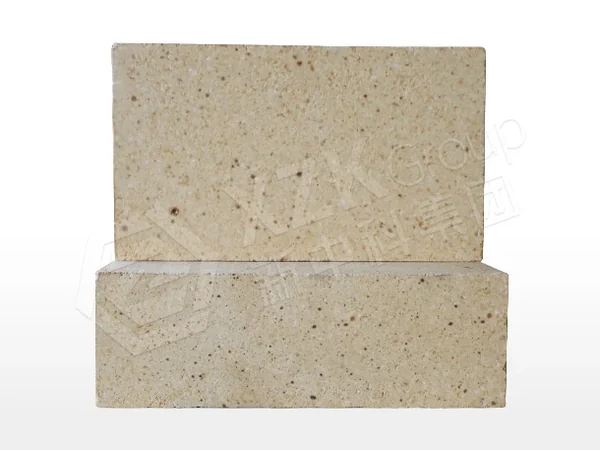
Related Refractories & Lining Materials
Explore complementary refractory brick grades and monolithic materials for your furnace relining.
Get Your Refractory Mortar Quote within 12 Hours
Please specify your refractory requirements by referring to the following aspects:
- ✓ Target Application: Furnace type, lining position (slag line, hearth, roof)
- ✓ Technical Specs: Operating temperature, slag chemistry, chemistry requirements
- ✓ Quantity & Dimensions: Tonnage requirement, standard or custom CAD drawing
- ✓ Delivery Terms: FOB Qingdao/Tianjin, CIF destination port
Why Steel Plants Choose XZK Refractories
Zonal Engineering, Not Just Bricks
Every proposal is a zone-by-zone material schedule matched to your furnace profile and operating practice — so all zones reach end-of-life together.
Source Factory Consistency
Fully automatic CNC batching and zero-defect quality control keep batch-to-batch variation at laboratory level.
Proven Global References
Supplied to Baosteel, Shougang, Hyundai Steel, JSW, Severstal, MMK and 400+ furnace projects across 60+ countries.
Full-Lifecycle Service
Lining design, masonry supervision, heat-up curves and failure analysis — plus EPC turnkey delivery for new builds and relines.
Send Us Your Furnace Drawing
Our engineers will return a zonal lining proposal with material schedule and quotation within 48 hours — even for non-standard shapes.
- Free material feasibility review
- Zonal architecture & installation drawings
- Heat-up curve & masonry guidance
Strict ISO 9001 Process Control Across All 6 Workshops
Every batch of raw materials is chemically assayed. Finished refractory shapes undergo density, ultrasonic non-destructive testing, and pre-assembly gap verification prior to global packaging.
- Raw material ICP chemical assay on every incoming batch
- Density, porosity and cold crushing (CCS) tests per ASTM / ISO
- Ultrasonic non-destructive testing of finished shapes
- Pre-assembly gap verification before seaworthy packaging