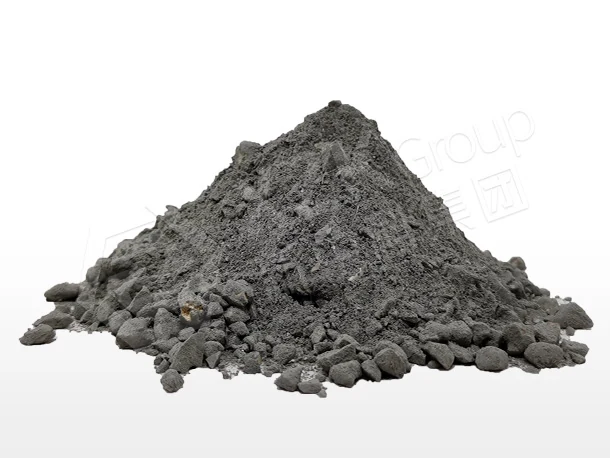
Alumina-SiC-C Casthouse Castable for Blast Furnace Runners
Al₂O₃ 59–75% · SiC 10–30% · BD ≥2.40–2.92 g/cm³ · CCS ≥17–43 MPa · PLC within ±1.0% — graded by runner position.
Specifications of XZK Casthouse ASC Castable
Manufactured strictly in accordance with ASTM, ISO, and YB/T metallurgical refractory standards.
| Property | XZK-Main-Runner | XZK-Iron-Runner | XZK-Slag-Runner | XZK-Slag-Line |
|---|---|---|---|---|
| Position | Main runner | Branch runner / iron line | Branch runner / slag line | Slag runner only |
| Al₂O₃ (%) ≥ | 75.0 | 59.0 | 61.0 | 62.0 |
| SiC (%) ≥ | 10.0 | 30.0 | 13.0 | 15.0 |
| Bulk Density 110 °C × 24 h (g/cm³) ≥ | 2.92 | 2.79 | 2.42 | 2.55 |
| Bulk Density 1450 °C × 24 h (g/cm³) ≥ | 2.88 | 2.75 | 2.40 | 2.40 |
| Crushing Strength 110 °C × 24 h (MPa) ≥ | 31.04 | 28.70 | 8.50 | 17.00 |
| Crushing Strength 1450 °C × 24 h (MPa) ≥ | 42.96 | 43.68 | 27.00 | 32.00 |
| Modulus of Rupture 110 °C × 24 h (MPa) ≥ | 4.75 | 4.36 | — | — |
| Modulus of Rupture 1450 °C × 24 h (MPa) ≥ | 5.71 | 5.91 | — | — |
| Permanent Linear Change 1450 °C × 2 h (%) | ± 1.0 | − 0.1 | + 0.1 | + 0.3 |
Values are typical production averages, not guaranteed minima. A batch-specific Certificate of Analysis is issued for every shipment; third-party inspection (SGS / BV / TÜV) can be arranged on request.
| Property Reported Above | ASTM | ISO | GB/T |
|---|---|---|---|
| Chemical composition — Al₂O₃, SiO₂, Fe₂O₃, TiO₂, alkali oxides | ASTM C573 | ISO 12677 | GB/T 6900 |
| Carbon / SiC content (carbon-bearing grades) | ASTM C571 | — | GB/T 17732 |
| Apparent porosity and bulk density | ASTM C20 | ISO 5017 | GB/T 2997 |
| Cold crushing strength | ASTM C133 | ISO 10059-1 | GB/T 5072 |
| Hot modulus of rupture (carbon-bearing grades) | ASTM C1099 | ISO 5013 | GB/T 13243 |
| Permanent linear change on heating | ASTM C113 | ISO 2478 | GB/T 5988 |
Every value in the tables above is determined by the method stated in this reference table, and the method is identified on the batch Certificate of Analysis. Where a property is not covered by a directly corresponding ISO method, the ASTM or GB/T method is applied as the reference method and stated accordingly. Third-party verification (SGS / BV / TÜV) can be arranged on request.
About XZK Casthouse ASC Castable
Alumina-SiC-C (ASC) casthouse castables are the single largest refractory cost in a blast furnace casthouse, and they are also the item most often bought as a single product for what is actually four different duties. A main runner, an iron branch runner, a slag runner and a slag-only line do not wear the same way, and one castable cannot be optimal for all of them.
Grade by Position
- XZK-Main-Runner — 75% Al₂O₃, 10% SiC, density 2.92 g/cm³, CCS 43 MPa after firing. Highest alumina and hot strength for the highest iron throughput.
- XZK-Iron-Runner — 59% Al₂O₃, 30% SiC. Maximum silicon carbide for the highest abrasion at the iron line.
- XZK-Slag-Runner — 61% Al₂O₃, 13% SiC. Balanced for slag chemistry with less iron contact.
- XZK-Slag-Line — 62% Al₂O₃, 15% SiC. Dedicated grade for slag-only runners.
Permanent linear change is held within ±1.0% at 1450 °C, which is what keeps the runner geometry stable instead of cracking open or shrinking away from the sides.
Installation Quality Outweighs Product Grade
This is the part that decides campaigns, and it is worth stating plainly. With brick, performance is largely fixed at the factory. With castables, a large share of final performance is created on site:
- Water addition — deviating by even one percentage point measurably reduces strength and erosion resistance.
- Mixing time and equipment — under-mixing leaves dry pockets; over-mixing breaks down the grain structure.
- Vibration — determines density and the absence of voids.
- Curing and heat-up — a rushed heat-up drives out moisture faster than it can escape, and the result is spalling or explosive spalling.
We issue all of these with the material, and for larger projects we will dispatch an engineer. On a first installation that is usually the highest-return item in the whole package.
Precast vs Cast In Situ
Precast runner shapes are produced under controlled factory conditions, which removes most of the site variability above. Installation is faster and quality is more consistent. The trade-off is logistics and mould cost, so precast usually suits high-volume repeat geometries while site casting suits one-off or highly variable profiles.
Supply
Minimum order 5 metric tons for standard grades and 10 metric tons for custom formulations, shipping in 7–14 days. Precast shapes are quoted to drawing. Batch test data covering density, strength after drying and firing, permanent linear change and grain size distribution ships with every lot.
Where This Grade Sits in the Lining System
Monolithic materials fail more often on installation than on specification. Water demand, mixing time, vibration and the first heat-up curve decide the outcome before the lining ever sees metal — which is why installation parameters are issued with the material instead of being left to site practice.
XZK supplies casthouse asc castable as one zone of a zoned package rather than as a standalone item: the grades normally zoned alongside it — among them waterless taphole clay — are documented on the monolithic refractories page, and the vessel-level architecture — where each zone starts and ends, and which mechanism actually limits the campaign — is set out on the blast furnace and casthouse and torpedo car pages.
The MMK Magnitogorsk No.10 BF and 375 t ladle programme reference documents how this class of material performed in full service, with the measured campaign figures rather than datasheet values.
Casthouse ASC Castable — Production & Application Scenarios
Premium raw materials, CNC pressing, high-temp firing, and on-site installation.
Advantages of Choosing XZK Casthouse ASC Castable
Graded by Runner, Not One Mix Everywhere
The main runner carries the highest iron throughput and thermal load; branch and slag runners see different chemistry and velocity. Using one castable across all of them over-spends in some places and under-performs in others.
Silicon Carbide Where Abrasion Is Worst
SiC content runs from 10% in the main runner to 30% in the iron line, matching abrasion resistance and thermal conductivity to the actual duty at each position.
Strength That Develops in Service
Crushing strength rises from ~31 MPa after drying to ~43 MPa after firing at 1450 °C on the main runner grade, so the material gains strength as it comes into service rather than losing it.
Installation Quality Built Into the Spec
Water addition, mixing time, vibration, curing and heat-up all influence campaign life more than small product differences. We issue all of them with the material and can supervise on site.
Specific Applications of Casthouse ASC Castable
Proven performance across diverse heavy industrial thermal equipment.
Blast Furnace Main Runner
Highest-throughput castable with the highest alumina and hot strength.
Iron & Slag Branch Runners
Graded castables matched to iron-line abrasion and slag-line chemistry.
Slag-Only Runners
Dedicated slag-line grade for runners carrying slag with minimal iron.
Precast Runner Shapes
Precast blocks and shapes to drawing for faster installation and more consistent quality.
400+ Furnaces Trust XZK Refractory Solutions
Over 75% of our international steel and kiln clients continue multi-year long-term procurement partnerships.
Grading the runner by position instead of using one mix extended our campaign noticeably, and the wear profile is far more even.
Their engineer came for the first installation and trained our crew on water addition and vibration. That mattered more than the product change.
Hot strength figures were met on every batch we tested, and the permanent linear change was within tolerance.
Precast shapes cut our runner rebuild time substantially.
Frequently Asked Engineering Questions
Click any question to expand; only one answer is shown at a time.
Why are there four grades instead of one?
Because a casthouse is not one duty. The main runner carries the full iron throughput at the highest temperature; branch iron runners see high-velocity iron and higher abrasion; slag runners see slag chemistry with little iron. Matching SiC content, density and strength to each position gives better life and usually lower total cost than using the best grade everywhere.
How much does installation quality matter?
Enormously — more than small differences between products. Water addition alone can shift strength and erosion resistance measurably. We issue water addition range, mixing time, vibration method, curing time and a heat-up curve with every castable, and can dispatch an engineer for supervision on larger projects.
What is the shelf life?
Typically 6–12 months in original sealed bags, stored dry and off the ground. Castables are hygroscopic: once material has picked up moisture, strength development is compromised. Every bag is date-stamped.
Can you supply precast shapes?
Yes, to drawing. Precast runner blocks and shapes reduce installation time and give more consistent quality than site casting, because the critical variables are controlled at the factory.
What is the MOQ and lead time?
5 metric tons for standard grades, 10 metric tons for custom formulations. Standard grades ship in 7–14 days; precast shapes depend on the drawing and mould availability.
What test data is supplied?
Bulk density, modulus of rupture and crushing strength after drying and after firing at the relevant temperature, permanent linear change, and grain size distribution. Batch COA ships with every lot.
Do you supply the taphole clay as well?
Yes — waterless taphole clay, runner castables and gunning/repair mixes are supplied as a complete casthouse package so all materials are compatible.
How is it packed?
25 kg moisture-barrier bags on ISPM-15 pallets with container desiccant for sea freight. Big-bag and bulk-container options are available for high-volume repeat orders.
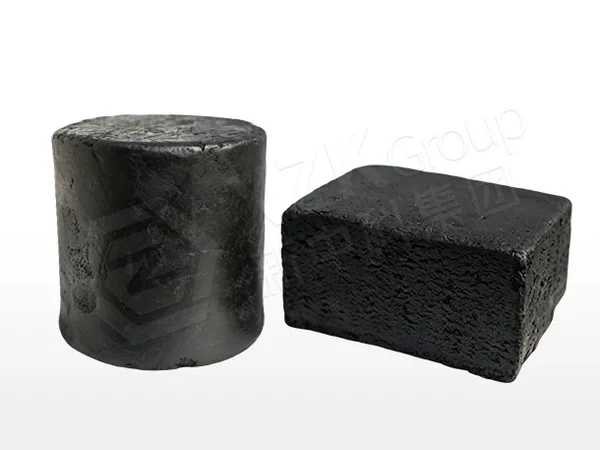
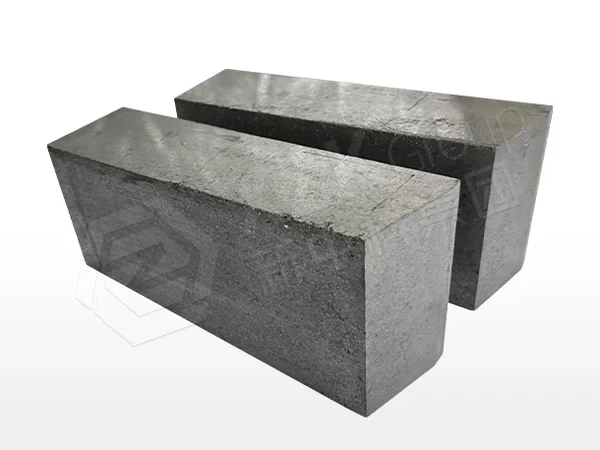
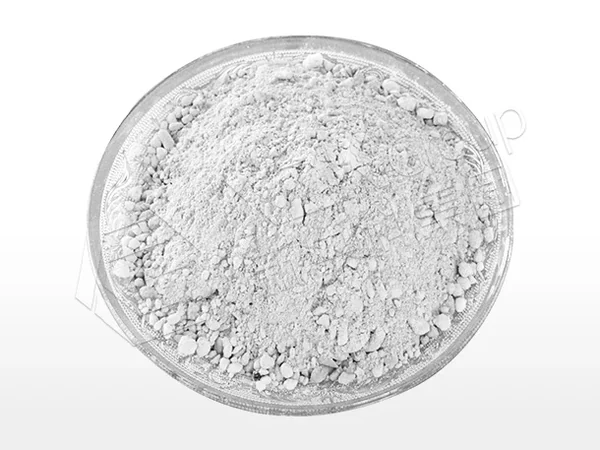
Related Refractories & Lining Materials
Explore complementary refractory brick grades and monolithic materials for your furnace relining.
Get Your Casthouse ASC Castable Quote within 12 Hours
Please specify your refractory requirements by referring to the following aspects:
- ✓ Target Application: Furnace type, lining position (slag line, hearth, roof)
- ✓ Technical Specs: Operating temperature, slag chemistry, chemistry requirements
- ✓ Quantity & Dimensions: Tonnage requirement, standard or custom CAD drawing
- ✓ Delivery Terms: FOB Qingdao/Tianjin, CIF destination port
Why Steel Plants Choose XZK Refractories
Zonal Engineering, Not Just Bricks
Every proposal is a zone-by-zone material schedule matched to your furnace profile and operating practice — so all zones reach end-of-life together.
Source Factory Consistency
Fully automatic CNC batching and zero-defect quality control keep batch-to-batch variation at laboratory level.
Proven Global References
Supplied to Baosteel, Shougang, Hyundai Steel, JSW, Severstal, MMK and 400+ furnace projects across 60+ countries.
Full-Lifecycle Service
Lining design, masonry supervision, heat-up curves and failure analysis — plus EPC turnkey delivery for new builds and relines.
Send Us Your Furnace Drawing
Our engineers will return a zonal lining proposal with material schedule and quotation within 48 hours — even for non-standard shapes.
- Free material feasibility review
- Zonal architecture & installation drawings
- Heat-up curve & masonry guidance
Strict ISO 9001 Process Control Across All 6 Workshops
Every batch of raw materials is chemically assayed. Finished refractory shapes undergo density, ultrasonic non-destructive testing, and pre-assembly gap verification prior to global packaging.
- Raw material ICP chemical assay on every incoming batch
- Density, porosity and cold crushing (CCS) tests per ASTM / ISO
- Ultrasonic non-destructive testing of finished shapes
- Pre-assembly gap verification before seaworthy packaging