Tundish & Continuous Flow Control Solution

1500 °C – 1600 °C (steel through tundish and mould, long sequences) 15 - 20+ Heats Continuous Sequence Tundish Campaign

Primary Wear & Corrosion Factors: Alumina deposition and clogging, slag-band erosion on shrouds and SENs, thermal shock at start of cast, flux corrosion of the tundish lining

XZK Group provides integrated refractory packages engineered for zoned thermal and chemical stress. Every brick shape, mortar joint, and castable density is calibrated to ensure balanced refractory erosion and synchronized campaign shutdown schedules.

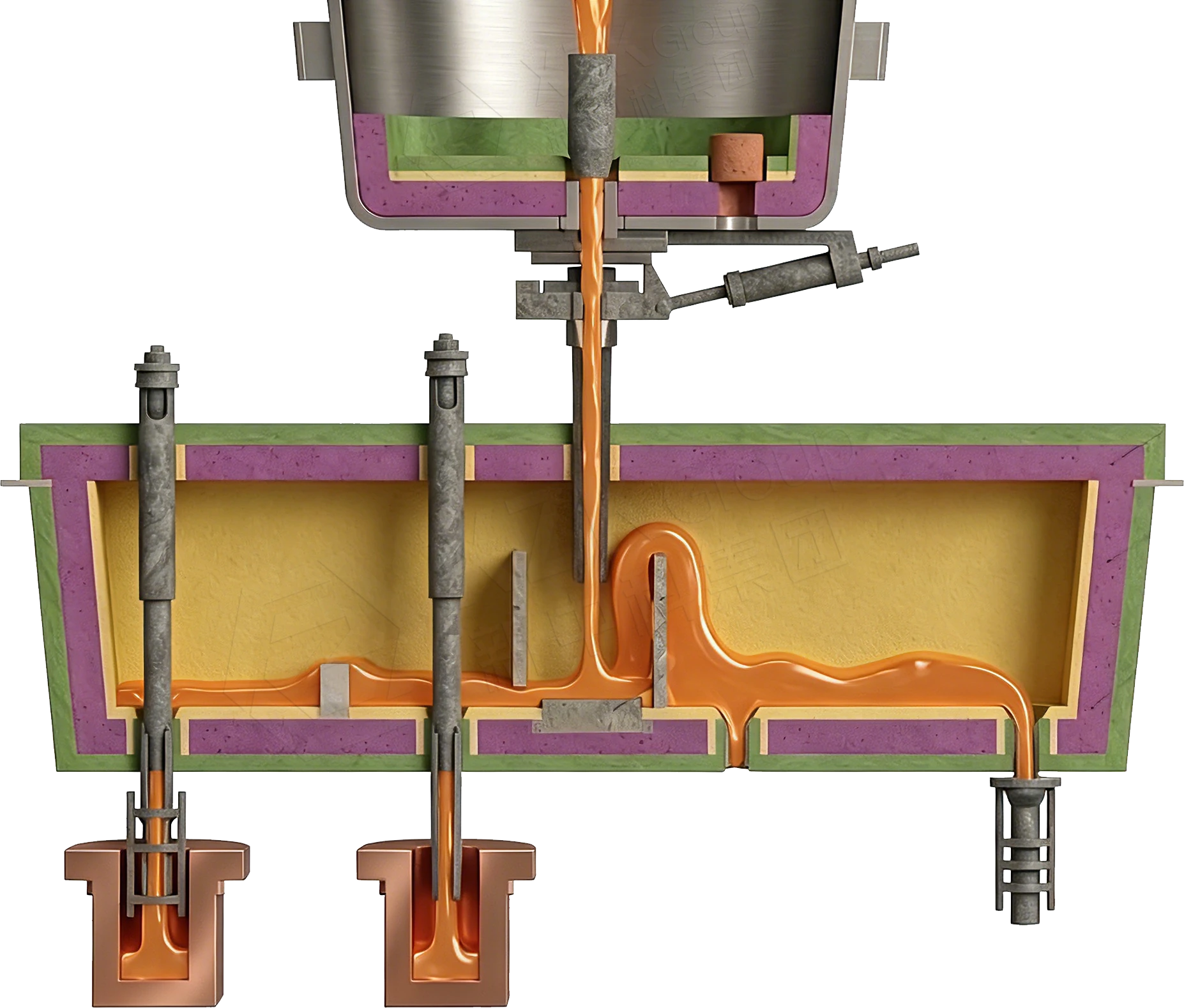
Tundish & Continuous Flow Control Solution 3D Cutaway
Tap any numbered zone to highlight the corresponding refractory grade below.
<> <> <> <> <>

Tundish & Continuous Flow Control Solution: Refractory Bill of Materials

Zoned lining design targeting synchronized campaign wear across all operational furnace zones. Click a hotspot above to highlight a row here.

# Furnace Lining Zone XZK Recommended Refractory Grade Key Physical & Chemical Properties Operational Mechanism & Benefits 操作
1 Tundish Working Lining Eco-Friendly Magnesia Dry Vibrating Mix (XZK-Eco-Magnesia) MgO ≥60%, CaO ≥30%, Service Temp 1600°C Rapid heat-up, low thermal conductivity, and quick clean skull deskulling after casting. Quote
2 Slide Gate Plate Al-Zr-C / Magnesia-Spinel Slide Gate (XZK-SLH-X/E) Al₂O₃ ≥75%, ZrO₂ ≥4%, CCS ≥100 MPa, Porosity ≤10% Smooth sliding stroke, zero air leakage, multi-heat throttle control without cracking. Quote
3 Submerged Entry Nozzle (SEN) Anti-Clogging Al₂O₃-C & Zirconia SEN (XZK-SEN Series) Body Al₂O₃ ≥45%, Slag Line ZrO₂ ≥75%, BD ≥3.50 g/cm³ Zirconia collar resists mold powder erosion while inner liner prevents alumina clogging. Quote
4 Monolithic Stopper Rod Carbon-Free Tip Alumina-Carbon Stopper (XZK-ZSLT-A/B) Tip Al₂O₃ ≥68%, Thermal Shock (1100°C water) ≥5 cycles Precision molten steel metering with superior thermal shock survival. Quote
5 Ladle Shroud Al₂O₃-C with Zirconia Ring (XZK-CLTZ) ZrO₂ ≥55% in slag line, Anti-oxidation glaze coating Zero re-oxidation of molten steel from ladle to tundish. Quote

Sequence Length Is the Only Metric That Matters

Continuous casting refractories are judged on one outcome: how many heats you can cast before something forces a change. Every specification decision — tundish lining, stopper, plate chemistry, shroud band, SEN liner — should be traced back to sequence length, steel grade and the failure mode that actually ends your sequences today.

Start by Identifying Why Sequences End

  • Clogging — alumina build-up, common on aluminium-killed and low-carbon grades. Move to carbon-free or zirconia-lined SENs, consider argon-blowing designs, and review calcium treatment practice.
  • Slag-band erosion on shrouds and SENs — specify zirconia slag-line bands.
  • Plate cracking or bore erosion — review preheating first, then plate grade. Start-of-cast thermal shock is the most common cause of early plate failure.
  • Oxidation between heats — consider argon-blowing stoppers or improved joint sealing.

Diagnosing which mechanism you actually have matters more than any product choice, because the answers are different.

Tundish Working Lining

Eco-friendly magnesia dry vibratable mix (XZK-Eco-Magnesia) is the standard for long sequences: dry installation with no water and no curing, quick heat-up, low thermal conductivity that retains steel temperature, and clean deskulling between sequences. With SiO₂ held to 3.0%, it also limits CaO-SiO₂ pickup into the steel — a steel quality benefit, not just a refractory one.

The Flow-Control Chain

Every link has to match the route:

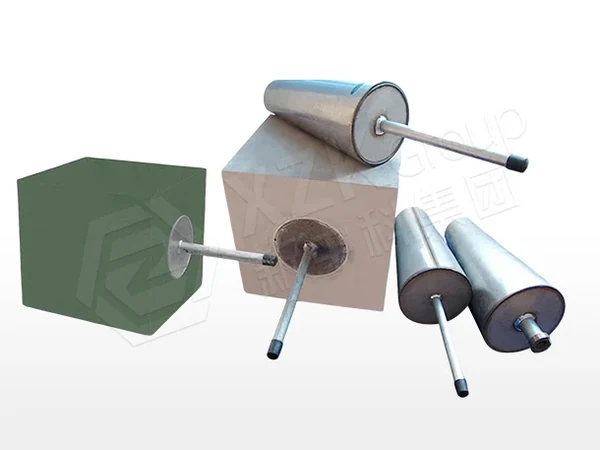
  • Monobloc stopper rods — one-piece isostatic construction with a denser, stronger head; argon-blowing and preheat-free designs available.
  • Slide gate plates — Al-Zr-C for general duty, magnesia-spinel for high-oxygen and high-manganese steels.
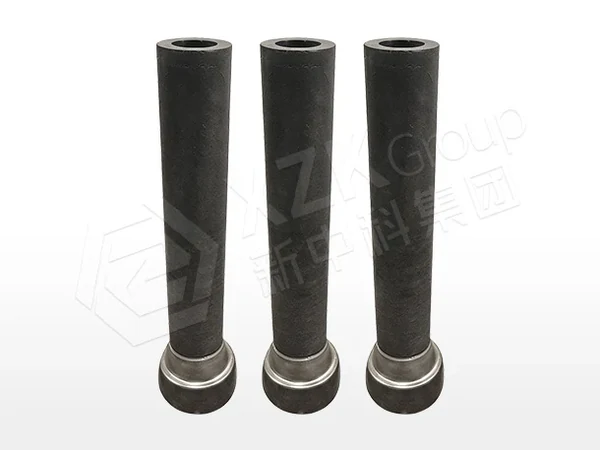
  • Ladle shrouds — alumina-carbon body with a zirconia slag-line band for extended sequences.
  • SENs — preheat-free, argon-blowing, carbon-free and zirconia-lined options, because erosion resistance and anti-clogging pull in opposite directions.
  • Nozzles and purging — upper, metering and lower nozzles machined to your mechanism, with matched well blocks.

What to Send Us

Caster type and strand count, section size, steel grade mix, sequence length target, tundish capacity and the mechanism types in use. We will return a complete flow-control schedule with grades matched to your steel grades.
The XZK Solution — How We Engineer Campaign Life

XZK delivers precise zonal lining packages for Tundish & Continuous Flow Control Solution. Every grade in the matrix above is calibrated against three engineering levers: heat-flow management, chemical resistance, and mechanical anchoring. By tuning these three levers, we extend campaign length while keeping total refractory consumption per ton of steel competitive.

Our chief engineer Professor Shi Gan oversees every lining proposal — heat balance calculation, brick sequence optimization, and pre-assembly tolerance verification are all performed in-house before any shipment leaves Xinmi. The result: lining campaigns that match or beat OEM schedules with measurable per-ton savings.

  • Heat-flow modeling: skull/slag-layer thickness predicted for each zone
  • Chemical compatibility: brick-slag-metal reaction tests against your specific slag chemistry
  • Mechanical fit: ≤ 1 mm joint tolerance verified at CNC pressing stage
  • Pre-assembly: critical shapes pre-stacked in Xinmi for on-site fit verification
15+ Years BF campaign
150K+ MT Torpedo throughput
10K+ Heats BOF campaign
120+ Heats Ladle lining

Selected Project References

Verified deliveries to leading steel groups across Asia, Europe and the Americas.

Send Your Tundish & Continuous Flow Control Solution Drawings for a 48h Custom Lining Proposal

Our chief technical experts calculate exact brick count, radial cuts, mortar joint volumes, and castable expansion gaps. We provide comprehensive lining schematics and refractory consumption guarantees.

FAQs — Tundish & Continuous Flow Control Solution Refractories

Click to expand answers from our senior metallurgical engineers.

What working lining suits long-sequence continuous casting? +

For 15+ heat sequences, eco-friendly magnesia dry vibrating mix (XZK-Eco-Magnesia) gives the best balance: rapid heat-up (≤2 h), low thermal conductivity to keep the steel temperature, clean deskulling between sequences and minimal CaO-SiO₂ pickup into the steel.

How does XZK prevent SEN clogging? +

We use a dual-layer SEN design: anti-clogging inner liner with carefully controlled CaO content (creates a thin liquid layer at the bore wall to wash away alumina deposits) plus a zirconia collar on the slag-line band (resists mold powder erosion). Open-rate guarantee 100%.

How to avoid re-oxidation between ladle and tundish? +

Use our alumina-carbon ladle shroud with zirconia ring (XZK-CLTZ) — the zirconia collar prevents slag-line erosion, and the anti-oxidation glaze coating stops air ingress during ladle changeover, eliminating the white-pickup inclusion defect.

Strict ISO 9001 Process Control Across All 6 Workshops

Every batch of raw materials is chemically assayed. Finished refractory shapes undergo density, ultrasonic non-destructive testing, and pre-assembly gap verification prior to global packaging.

  • Raw material ICP chemical assay on every incoming batch
  • Density, porosity and cold crushing (CCS) tests per ASTM / ISO
  • Ultrasonic non-destructive testing of finished shapes
  • Pre-assembly gap verification before seaworthy packaging
100,000+ Metric Tons Annual Capacity
60+ Countries Export Footprint
6 Fully-Equipped Workshops
100% ISO 9001:2015 Certified
Request Quote