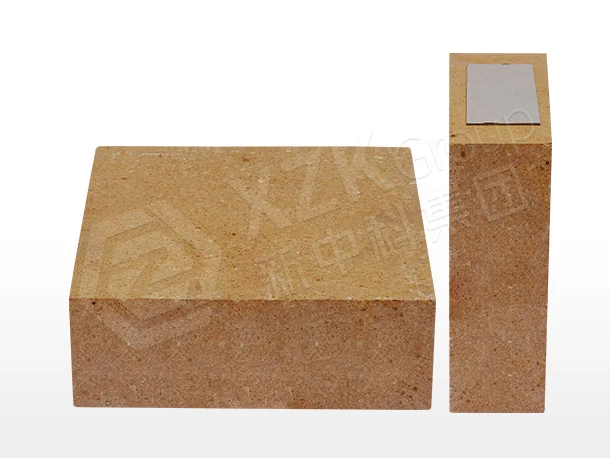
Magnesia-Alumina-Carbon Spinel Brick (MAC) for Ladle Transition Zones
MgO 52–54% · Al₂O₃ ≥25% · C 11% · BD ≥3.05–3.10 g/cm³ · CCS ≥50–55 MPa — the transition grade between MgO-C slag line and AMC barrel.
Specifications of XZK Magnesia-Alumina Spinel Brick
Manufactured strictly in accordance with ASTM, ISO, and YB/T metallurgical refractory standards.
| Location | Brand | C (%) | MgO (%) | Al₂O₃ (%) | Apparent Porosity (%) ≤ | Bulk Density (g/cm³) ≥ | Cold Crushing Strength (MPa) ≥ |
|---|---|---|---|---|---|---|---|
| Transition | XZK-MAC-10AF2 | 11 | 54 | 25 | 4.0 | 3.10 | 55 |
| Transition | XZK-MAC-10AFS | 11 | 52 | 25 | 4.5 | 3.05 | 50 |
| Property Reported Above | ASTM | ISO | GB/T |
|---|---|---|---|
| Chemical composition — MgO, CaO, SiO₂, Fe₂O₃, Al₂O₃ | ASTM C574 | ISO 12677 | GB/T 5069 |
| Carbon / SiC content (carbon-bearing grades) | ASTM C571 | — | GB/T 17732 |
| Apparent porosity and bulk density | ASTM C20 | ISO 5017 | GB/T 2997 |
| Cold crushing strength | ASTM C133 | ISO 10059-1 | GB/T 5072 |
About XZK Magnesia-Alumina Spinel Brick
Magnesia-alumina-carbon brick (MAC) exists to solve a problem that most lining drawings ignore: the boundary between two different materials. Put a MgO-C slag line directly against an AMC barrel and you create a discontinuity in thermal expansion, slag behaviour and wear rate. In service that boundary becomes a groove, and the groove — not the slag line — decides when the ladle comes down.
What Actually Happens at a Grade Boundary
Three mechanisms combine. First, the two materials expand by different amounts, so the joint between them opens and closes more than joints within a single grade. Second, they dissolve into slag at different rates, so a physical step forms. Third, once a step exists, it changes the local flow of steel and slag, which accelerates wear right at that point. The result is a self-reinforcing groove.
MAC interrupts this. With 52–54% MgO it stays close enough to the slag line in slag behaviour, while its 25% alumina keeps it spinel-forming and expansive like the barrel below. The property gradient becomes gradual instead of abrupt, and the groove does not establish itself.
Specification Guidance
- Course count — one to three courses is typical; we usually start with two and refine after reviewing your wear profile.
- Porosity control — MAC is held to 4.0–4.5% apparent porosity, lower than the adjacent AMC grades, because the boundary is where penetration starts once a step forms.
- Mortar consistency — use the same mortar and joint thickness across the transition; a change in joint behaviour reintroduces the discontinuity you are trying to remove.
- Where it is not needed — if your slag line and barrel already reach end of life together, or if a carbon-free castable working lining runs the full height, MAC adds little.
MAC, AMC and MgO-C at a Glance
- MgO-C — 72–89% MgO, 4–19% C. Maximum slag corrosion resistance. Slag line and metal zone.
- MAC — 52–54% MgO, ~25% Al₂O₃, 11% C. Spinel-forming, magnesia-dominant. Transition courses and upper barrel.
- AMC — ~25% MgO, 50–55% Al₂O₃, 11% C. Spinel-forming, alumina-dominant, maximum expansion. Barrel and bottom.
Read as a gradient, the three grades let you step smoothly from a corrosion-resistant slag line to an expansive, joint-sealing barrel — which is the whole point of zonal lining design.
Quality and Supply
XZK MAC bricks are pressed on 2,000-ton class CNC hydraulic presses and tempered under controlled atmosphere, with apparent porosity and crushing strength verified per batch per ASTM C830 and C133. Every shipment carries a Certificate of Analysis, and transition courses can be pre-sorted and labelled by course to speed installation. Send your ladle drawing for a zone-by-zone grade map within 48 hours.
Where This Grade Sits in the Lining System
Carbon-bonded basic grades are never specified in isolation. Carbon level, antioxidant package and bulk density are all set by the zone, and the zone map is set by the vessel — which is why a grade that performs well in one position can fail early in the next.
XZK supplies magnesia-alumina spinel brick as one zone of a zoned package rather than as a standalone item: the grades normally zoned alongside it — among them magnesia carbon brick — are documented on the magnesia-carbon and basic refractories page, and the vessel-level architecture — where each zone starts and ends, and which mechanism actually limits the campaign — is set out on the steel ladle and RH/VD page.
Campaign data measured on this class of lining — including the wear profile that drove grade selection — is published in the JFE Steel RH degasser snorkel and ladle flow control programme project reference.
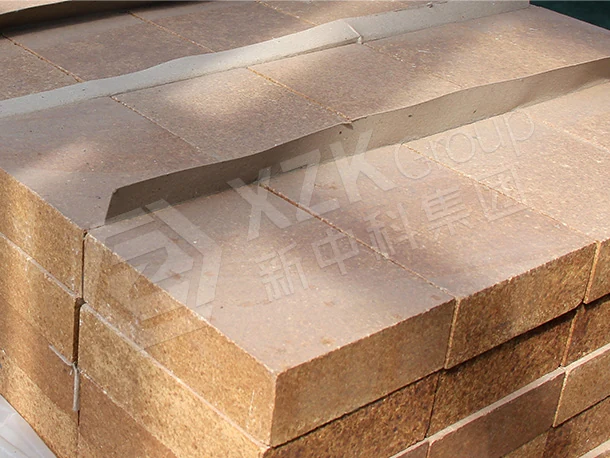
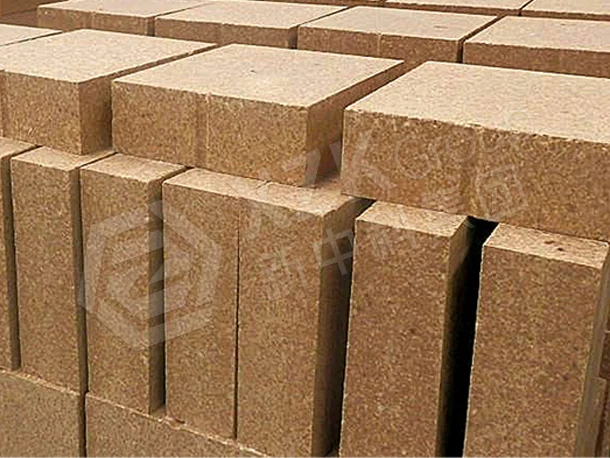
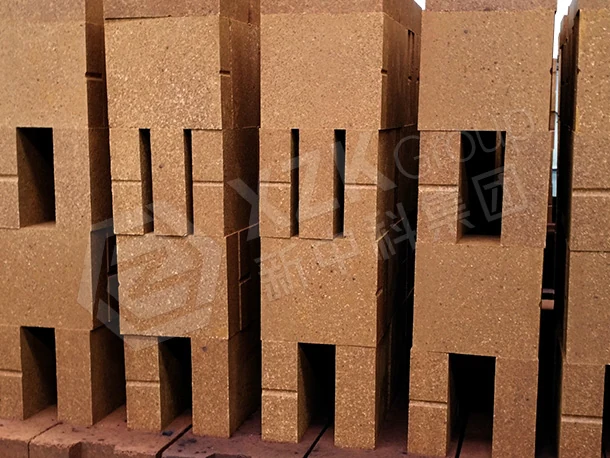
Magnesia-Alumina Spinel Brick — Production & Application Scenarios
Premium raw materials, CNC pressing, high-temp firing, and on-site installation.
Advantages of Choosing XZK Magnesia-Alumina Spinel Brick
Removes the Property Cliff
Placing MgO-C directly against AMC creates a sharp discontinuity in thermal expansion and slag behaviour. MAC sits between them with a magnesia-dominant but spinel-forming matrix, so the transition is gradual rather than abrupt.
Spinel Formation Without Losing Basicity
With 52–54% MgO the brick retains meaningful resistance to basic refining slag, while the 25% alumina still drives spinel formation and the joint-sealing micro-expansion that AMC is specified for.
Low Apparent Porosity
Held to 4.0–4.5%, which limits slag ingress at the boundary courses — the exact location where penetration tends to start once a wear step forms.
Stops Boundary-Groove Wear
A mismatch between adjacent grades produces a local groove that becomes the controlling wear point. MAC is a low-cost way to remove that groove and let the slag line and barrel reach end of life together.
Specific Applications of Magnesia-Alumina Spinel Brick
Proven performance across diverse heavy industrial thermal equipment.
Ladle Transition Courses
One to three courses between the MgO-C slag line and the AMC barrel, where a direct abutment would otherwise create a stress concentration and a preferential wear path.
Ladle Upper Barrel
Where the barrel sees intermittent slag contact during tilting and deslagging, and a magnesia-bearing grade is preferred over plain alumina.
Mixed-Route Ladles
Vessels alternating between high-basicity and milder slags, where a single extreme grade performs poorly across the cycle.
400+ Furnaces Trust XZK Refractory Solutions
Over 75% of our international steel and kiln clients continue multi-year long-term procurement partnerships.
We had a recurring groove at the slag-line-to-barrel joint that ended every campaign. Adding two MAC transition courses removed it — the wear profile is now smooth.
The transition grade idea sounded minor on paper. In practice it added weeks to the campaign because the boundary stopped being the weak point.
Porosity on the MAC courses was consistently at the low end of the range, which is what we check first at incoming inspection.
They supplied the transition courses pre-sorted and labelled, so installation was straightforward even with a mixed crew.
Frequently Asked Engineering Questions
Click any question to expand; only one answer is shown at a time.
Why do I need a transition grade at all?
Because adjacent materials with different thermal expansion and slag behaviour create a discontinuity. In service that shows up as a groove or step at the boundary, and the groove becomes the controlling wear point that ends the campaign — regardless of how good the slag line and barrel grades are.
How many transition courses should I use?
Typically one to three, depending on the sharpness of the property difference and how much slag contact the upper barrel sees. We normally specify two and adjust after reviewing the wear profile from your current campaign.
Is MAC the same as AMC?
No. AMC is alumina-rich (50–55% Al₂O₃, ~25% MgO); MAC is magnesia-rich (52–54% MgO, ~25% Al₂O₃). Both form spinel and expand, but MAC retains more basic-slag resistance, which is why it is placed on the slag-line side of the boundary.
Can I skip MAC and run MgO-C further down the barrel?
You can, and some plants do. The trade-off is higher material cost in a zone that does not need maximum corrosion resistance, plus a larger property step further down. It is a legitimate choice where bottom life, not boundary wear, is the constraint.
What test data do you supply?
Bulk density and apparent porosity per ASTM C830, cold crushing strength per ASTM C133, and full chemical analysis per GB/T 5069. A batch Certificate of Analysis ships with every lot, and SGS, BV or TÜV inspection can be arranged.
What is the MOQ and lead time?
10 metric tons for standard grades shipping in 7–14 days; 20 metric tons for custom zonal packages and special shapes in 20–35 days including tooling.
Does MAC require different installation practice?
No special procedure, but mortar selection and joint thickness should be consistent with the adjacent AMC courses. We supply the recommended mortar and joint specification with the material.
How is it packed and what is the shelf life?
Palletised at 1.0–1.2 metric tons on ISPM-15 fumigated pallets with PE wrap and moisture-barrier liner, date-stamped. Shelf life is six months in original sealed packaging, stored dry, under cover and below 40 °C.
Related Refractories & Lining Materials
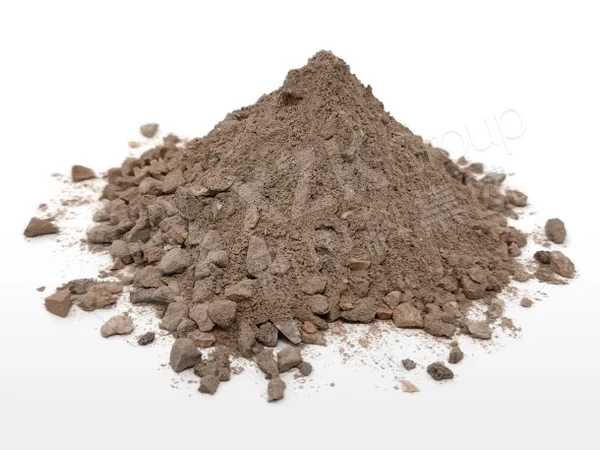
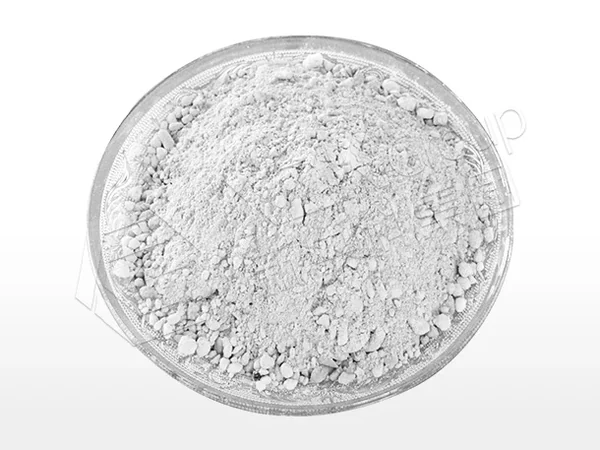
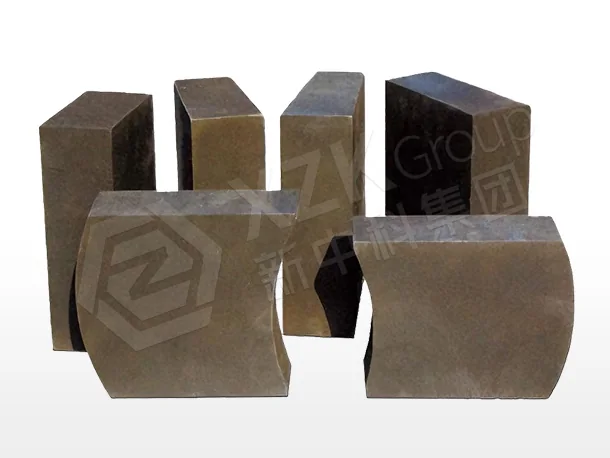
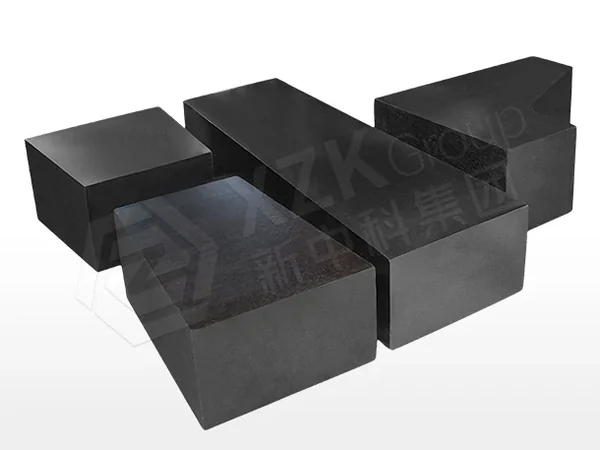
Explore complementary refractory brick grades and monolithic materials for your furnace relining.
Get Your Magnesia-Alumina Spinel Brick Quote within 12 Hours
Please specify your refractory requirements by referring to the following aspects:
- ✓ Target Application: Furnace type, lining position (slag line, hearth, roof)
- ✓ Technical Specs: Operating temperature, slag chemistry, chemistry requirements
- ✓ Quantity & Dimensions: Tonnage requirement, standard or custom CAD drawing
- ✓ Delivery Terms: FOB Qingdao/Tianjin, CIF destination port
Why Steel Plants Choose XZK Refractories
Zonal Engineering, Not Just Bricks
Every proposal is a zone-by-zone material schedule matched to your furnace profile and operating practice — so all zones reach end-of-life together.
Source Factory Consistency
Fully automatic CNC batching and zero-defect quality control keep batch-to-batch variation at laboratory level.
Proven Global References
Supplied to Baosteel, Shougang, Hyundai Steel, JSW, Severstal, MMK and 400+ furnace projects across 60+ countries.
Full-Lifecycle Service
Lining design, masonry supervision, heat-up curves and failure analysis — plus EPC turnkey delivery for new builds and relines.
Send Us Your Furnace Drawing
Our engineers will return a zonal lining proposal with material schedule and quotation within 48 hours — even for non-standard shapes.
- Free material feasibility review
- Zonal architecture & installation drawings
- Heat-up curve & masonry guidance
Strict ISO 9001 Process Control Across All 6 Workshops
Every batch of raw materials is chemically assayed. Finished refractory shapes undergo density, ultrasonic non-destructive testing, and pre-assembly gap verification prior to global packaging.
- Raw material ICP chemical assay on every incoming batch
- Density, porosity and cold crushing (CCS) tests per ASTM / ISO
- Ultrasonic non-destructive testing of finished shapes
- Pre-assembly gap verification before seaworthy packaging