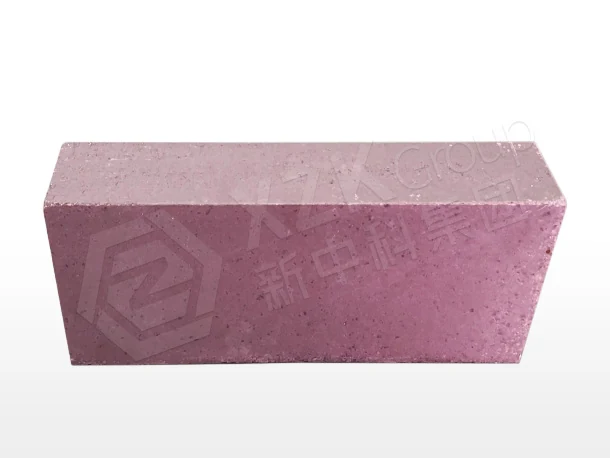
Chrome Corundum Brick for RH Degassers, Glass Regenerators & Severe Slag Zones
Al₂O₃ 62–83% · Cr₂O₃ 10–30% · BD ≥3.25–3.40 g/cm³ · CCS ≥100 MPa · RUL ≥1700 °C — chrome-oxide reinforcement against aggressive slags.
Specifications of XZK Chrome Corundum Brick
Manufactured strictly in accordance with ASTM, ISO, and YB/T metallurgical refractory standards.
| Property | XZK-CC10 | XZK-CC12 | XZK-CC15 | XZK-CC30 |
|---|---|---|---|---|
| Al₂O₃ (%) ≥ | 83.0 | 80.0 | 78.0 | 62.0 |
| Cr₂O₃ (%) ≥ | 10.0 | 12.0 | 14.5 | 30.0 |
| Fe₂O₃ (%) ≤ | 0.3 | 0.3 | 0.3 | 0.3 |
| Bulk Density (g/cm³) ≥ | 3.25 | 3.25 | 3.25 | 3.40 |
| Apparent Porosity (%) ≤ | 17 | 17 | 17 | 17 |
| Cold Crushing Strength (MPa) ≥ | 100 | 100 | 100 | 100 |
| Refractoriness Under Load (0.2 MPa, °C) ≥ | 1700 | 1700 | 1700 | 1700 |
| Thermal Shock Resistance (950 °C air, cycles) ≥ | 12 | 12 | 12 | — |
Values are typical production averages, not guaranteed minima. A batch-specific Certificate of Analysis is issued for every shipment; third-party inspection (SGS / BV / TÜV) can be arranged on request.
| Property Reported Above | ASTM | ISO | GB/T |
|---|---|---|---|
| Chemical composition — MgO, Cr₂O₃, SiO₂, Fe₂O₃, Al₂O₃ | ASTM C572 | ISO 12677 | GB/T 5070 |
| Apparent porosity and bulk density | ASTM C20 | ISO 5017 | GB/T 2997 |
| Cold crushing strength | ASTM C133 | ISO 10059-1 | GB/T 5072 |
| Refractoriness under load (0.2 MPa, rising temperature) | ASTM C16 | ISO 1893 | GB/T 5989 |
| Thermal shock resistance | ASTM C1171 | — | GB/T 30873 |
Every value in the tables above is determined by the method stated in this reference table, and the method is identified on the batch Certificate of Analysis. Where a property is not covered by a directly corresponding ISO method, the ASTM or GB/T method is applied as the reference method and stated accordingly. Third-party verification (SGS / BV / TÜV) can be arranged on request.
About XZK Chrome Corundum Brick
Chrome corundum brick is what happens when plain corundum is not holding up against the slag. Adding chromium oxide to an alumina body forms a solid solution that dramatically lowers the brick’s solubility in aggressive slags and glass melts. Where a corundum hot face slowly dissolves and recedes, a chrome-corundum face holds its boundary.
What Chrome Oxide Actually Does
Cr₂O₃ and Al₂O₃ share the same corundum crystal structure, so they form a continuous solid solution rather than a separate low-melting phase. That matters: the brick gains slag resistance without sacrificing refractoriness. The practical result is a hot face that dissolves more slowly and resists penetration, which is why chrome corundum is standard in glass furnace regenerators and RH degasser vessels.
The trade is straightforward — more chrome means more corrosion resistance, more density, and more cost. Our range runs from 10% Cr₂O₃ (CC10, moderate duties) through 30% (CC30, maximum aggression), and all grades hold RUL at or above 1700 °C with cold crushing strength ≥100 MPa.
Typical Duties
- RH degassers and snorkels — vacuum, high-alumina inclusions and severe cycling; snorkel life is often the bottleneck.
- Glass furnace regenerators — alkali and batch carryover attack; the classic chrome-corundum application.
- Severe slag contact zones — ladle and vessel positions where plain corundum dissolves too fast.
- Waste incineration and special vessels — combined wear and corrosion.
Two Honest Caveats
First, CC30 carries no published thermal shock value, because we do not publish a figure we do not test consistently. At 30% Cr₂O₃ the grade is chosen for corrosion resistance, not cycling; if thermal shock governs your zone, CC10–CC15 are rated at 12 cycles at 950 °C air quench and are the correct choice. Second, chrome-bearing refractories carry handling and disposal obligations in some jurisdictions. We supply full safety documentation and will advise on compliant spent-material handling — and if your plant restricts chrome-bearing materials, we will say so early and propose an alternative.
Manufacturing and Documentation
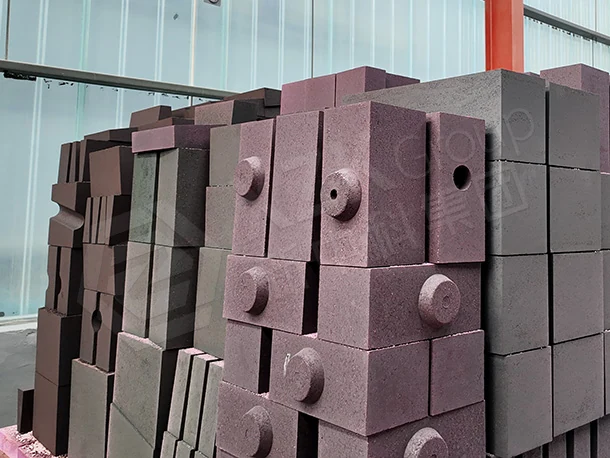
XZK chrome corundum bricks are pressed at high pressure and fired to develop the solid-solution bond, with cylindrical and complex special shapes produced to drawing. Bulk density and porosity per ASTM C830, crushing strength per ASTM C133, RUL per ISO 1893 and full chemistry including Cr₂O₃ per GB/T 6900 are tested per batch. A Certificate of Analysis ships with every lot, and pallets are labelled with grade and chrome content for your records.
Where This Grade Sits in the Lining System
Corundum and high-alumina grades earn their place on hot strength and creep resistance, and those properties only pay back if the surrounding zones survive as long as they do. Putting the strongest brick into the harshest zone and leaving the rest to habit is how most of the refractory budget is actually lost.
XZK supplies chrome corundum brick as one zone of a zoned package rather than as a standalone item: the grades normally zoned alongside it — among them corundum brick — are documented on the corundum and high-alumina refractories page, and the vessel-level architecture — where each zone starts and ends, and which mechanism actually limits the campaign — is set out on the steel ladle and RH/VD page.
Campaign data measured on this class of lining — including the wear profile that drove grade selection — is published in the JFE Steel RH degasser snorkel and ladle flow control programme project reference.
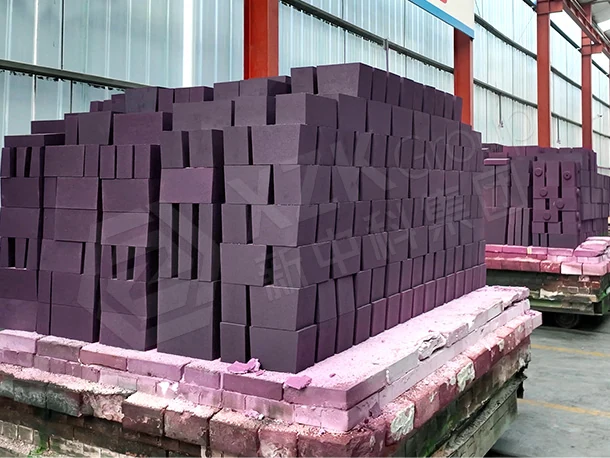
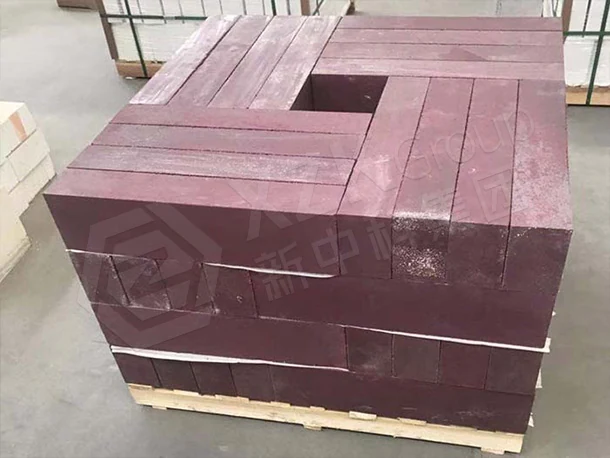
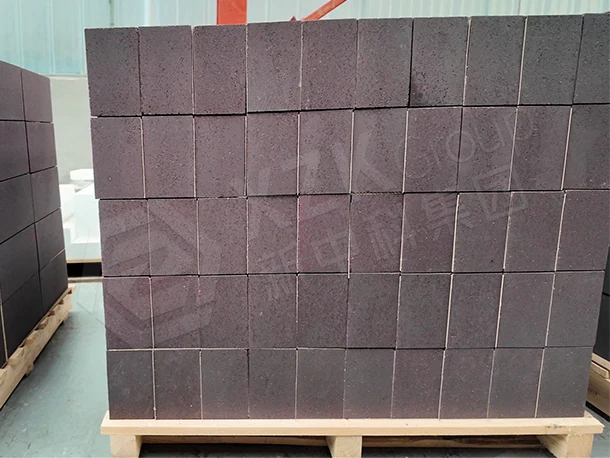
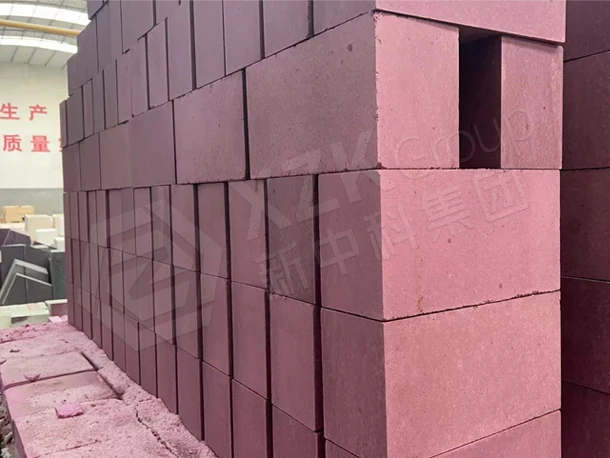
Chrome Corundum Brick — Production & Application Scenarios
Premium raw materials, CNC pressing, high-temp firing, and on-site installation.
Advantages of Choosing XZK Chrome Corundum Brick
Chrome Oxide Blocks Slag Dissolution
Cr₂O₃ forms a solid solution with alumina and sharply reduces the brick solubility in aggressive slags and glass melts. Where plain corundum slowly dissolves at the hot face, chrome corundum holds its boundary.
Very High Density and Strength
Bulk density from 3.25 to 3.40 g/cm³ with cold crushing strength ≥100 MPa across the range gives exceptional resistance to penetration and mechanical wear.
Refractoriness Under Load ≥1700 °C
All grades hold RUL at or above 1700 °C, so the brick retains load-bearing capacity in high-temperature vessel and regenerator service.
Documented Thermal Shock Behaviour
XZK-CC10 through CC15 are rated at 12 cycles at 950 °C air quench, which is the relevant figure for cycled vessel and regenerator duties.
Specific Applications of Chrome Corundum Brick
Proven performance across diverse heavy industrial thermal equipment.
RH Degasser & Snorkel Zones
Lower vessel, snorkel and throat areas exposed to high-alumina inclusions, vacuum and severe thermal cycling.
Glass Furnace Regenerators
Checker and wall courses exposed to aggressive alkali and batch carryover — the classic chrome-corundum duty.
Severe Slag Contact Zones
Ladle and vessel zones where slag chemistry attacks plain corundum and a chrome-bearing body is justified.
Incineration & Special Furnaces
High-wear, corrosive zones in waste incineration and special metallurgical vessels.
400+ Furnaces Trust XZK Refractory Solutions
Over 75% of our international steel and kiln clients continue multi-year long-term procurement partnerships.
The RH snorkel was our bottleneck. Chrome corundum roughly doubled the interval between snorkel changes.
We use these in the regenerator and the dissolution rate at the hot face is visibly lower than with the previous material.
Density was at 3.25 or above on every pallet we tested, which is what our specification required.
They supplied cylindrical shapes to drawing and the fit was right first time.
Frequently Asked Engineering Questions
Click any question to expand; only one answer is shown at a time.
How do I choose the Cr₂O₃ level?
It follows from slag aggressiveness and temperature. CC10 (10% Cr₂O₃) suits moderate duties; CC15 and CC30 are for increasingly aggressive slag and glass-melt contact. Higher chrome raises cost, so we recommend the lowest level that will hold your hot face rather than the maximum available.
Are there environmental or handling considerations?
Yes. Chrome-bearing refractories are regulated in some markets, particularly around hexavalent chromium under certain service and disposal conditions. We supply full material safety documentation and will advise on compliant handling of spent material for your jurisdiction.
Why is CC30 not rated for thermal shock?
Because we do not publish a value we do not test consistently for that grade. At 30% Cr₂O₃ the material is selected for maximum corrosion resistance rather than cycling. If thermal shock is your controlling property, use CC10–CC15, which are rated at 12 cycles.
Can you supply cylindrical and special shapes?
Yes, including cylindrical (筒形砖) shapes and complex special forms to drawing, with machined faces and dry trial-fitting for critical assemblies.
What is the MOQ and lead time?
20 metric tons, with 20–35 days lead time including pressing, firing and any machining.
What test data is supplied?
Bulk density and apparent porosity per ASTM C830, cold crushing strength per ASTM C133, RUL per ISO 1893, thermal shock cycles, and chemical analysis including Al₂O₃, Cr₂O₃ and Fe₂O₃ per GB/T 6900. Batch COA ships with every lot.
Is chrome corundum the same as magnesia chrome?
No. Chrome corundum is alumina-based with chrome oxide; magnesia chrome is magnesia-based with chrome oxide. They are selected for different slag systems — alumina-chrome for acidic to neutral and glass-melt contact, magnesia-chrome for basic and ferro-alloy slags.
How is it packed?
Palletised at 1.0–1.2 metric tons on ISPM-15 fumigated pallets with PE wrap, edge protectors and moisture-barrier liner, labelled with grade and chrome content for handling and disposal records.
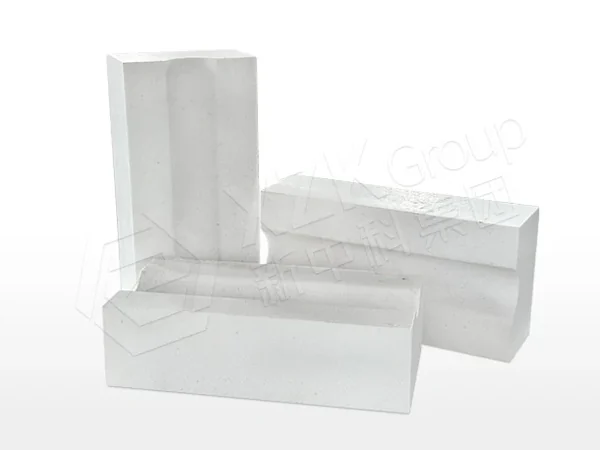
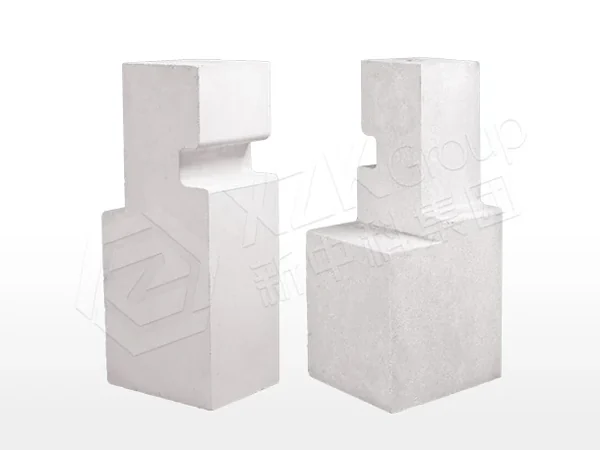
Related Refractories & Lining Materials
Explore complementary refractory brick grades and monolithic materials for your furnace relining.
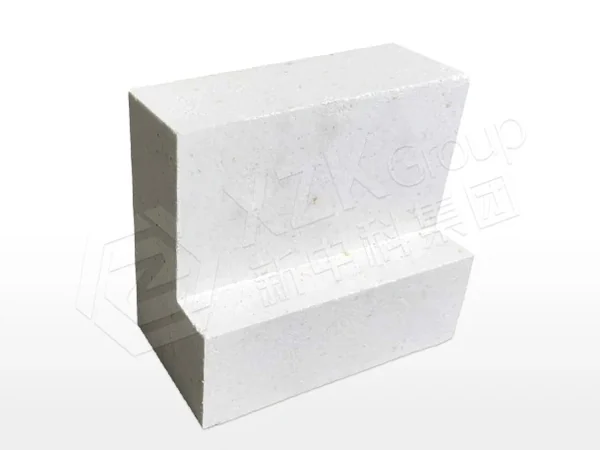
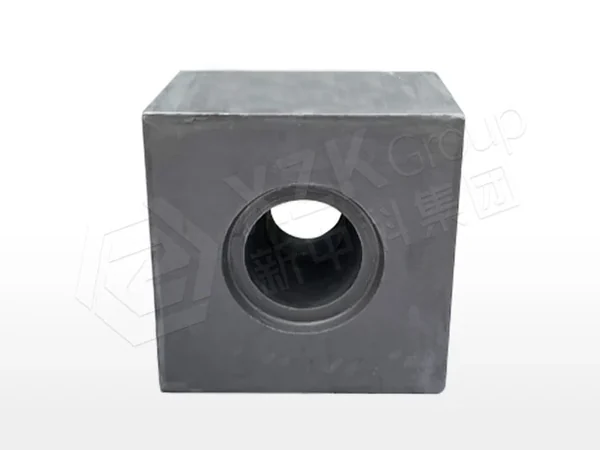
Get Your Chrome Corundum Brick Quote within 12 Hours
Please specify your refractory requirements by referring to the following aspects:
- ✓ Target Application: Furnace type, lining position (slag line, hearth, roof)
- ✓ Technical Specs: Operating temperature, slag chemistry, chemistry requirements
- ✓ Quantity & Dimensions: Tonnage requirement, standard or custom CAD drawing
- ✓ Delivery Terms: FOB Qingdao/Tianjin, CIF destination port
Why Steel Plants Choose XZK Refractories
Zonal Engineering, Not Just Bricks
Every proposal is a zone-by-zone material schedule matched to your furnace profile and operating practice — so all zones reach end-of-life together.
Source Factory Consistency
Fully automatic CNC batching and zero-defect quality control keep batch-to-batch variation at laboratory level.
Proven Global References
Supplied to Baosteel, Shougang, Hyundai Steel, JSW, Severstal, MMK and 400+ furnace projects across 60+ countries.
Full-Lifecycle Service
Lining design, masonry supervision, heat-up curves and failure analysis — plus EPC turnkey delivery for new builds and relines.
Send Us Your Furnace Drawing
Our engineers will return a zonal lining proposal with material schedule and quotation within 48 hours — even for non-standard shapes.
- Free material feasibility review
- Zonal architecture & installation drawings
- Heat-up curve & masonry guidance
Strict ISO 9001 Process Control Across All 6 Workshops
Every batch of raw materials is chemically assayed. Finished refractory shapes undergo density, ultrasonic non-destructive testing, and pre-assembly gap verification prior to global packaging.
- Raw material ICP chemical assay on every incoming batch
- Density, porosity and cold crushing (CCS) tests per ASTM / ISO
- Ultrasonic non-destructive testing of finished shapes
- Pre-assembly gap verification before seaworthy packaging