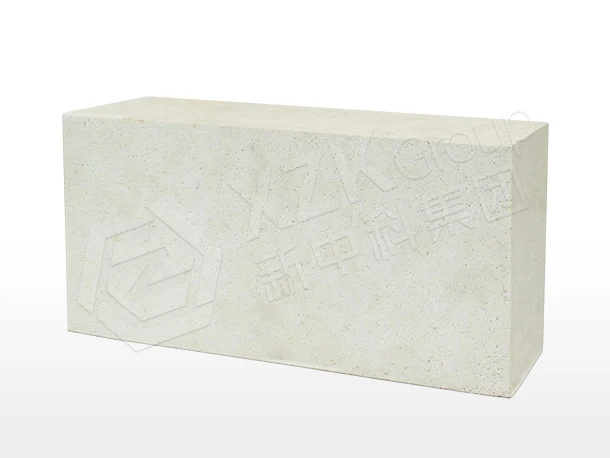
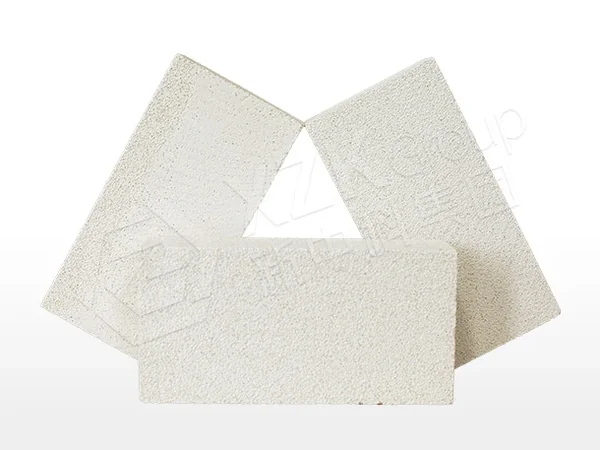
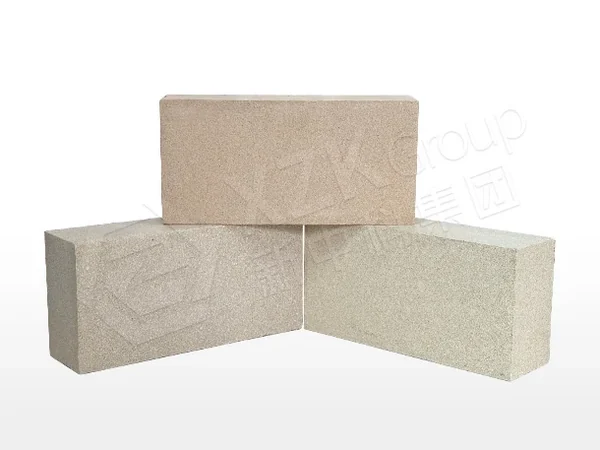
Lightweight Silica Insulating Brick for Hot Blast Stove High-Temperature Zones
SiO₂ ≥91% · Al₂O₃ ≤1.0% · BD ≤0.8–1.2 g/cm³ · CCS ≥2.0–4.0 MPa · RUL (start) ≥1600–1640 °C — volume-stable at high temperature.
Specifications of XZK Lightweight Silica Insulating Brick
Manufactured strictly in accordance with ASTM, ISO, and YB/T metallurgical refractory standards.
| Property | XZK-LS160-0.8 | XZK-LS162-1.0 | XZK-LS164-1.2 |
|---|---|---|---|
| SiO₂ (%) ≥ | 91 | 91 | 91 |
| Al₂O₃ (%) ≤ | 1.0 | 1.0 | 1.0 |
| Bulk Density (g/cm³) ≤ | 0.8 | 1.0 | 1.2 |
| Cold Crushing Strength (MPa) ≥ | 2.0 | 3.0 | 4.0 |
| Refractoriness Under Load — start (°C) ≥ | 1600 | 1620 | 1640 |
Values are typical production averages, not guaranteed minima. A batch-specific Certificate of Analysis is issued for every shipment; third-party inspection (SGS / BV / TÜV) can be arranged on request.
| Property Reported Above | ASTM | ISO | GB/T |
|---|---|---|---|
| Chemical composition — Al₂O₃, SiO₂, Fe₂O₃, TiO₂, alkali oxides | ASTM C573 | ISO 12677 | GB/T 6900 |
| Apparent porosity and bulk density | ASTM C20 | ISO 5017 | GB/T 2997 |
| Cold crushing strength | ASTM C133 | ISO 10059-1 | GB/T 5072 |
| Refractoriness under load (0.2 MPa, rising temperature) | ASTM C16 | ISO 1893 | GB/T 5989 |
Every value in the tables above is determined by the method stated in this reference table, and the method is identified on the batch Certificate of Analysis. Where a property is not covered by a directly corresponding ISO method, the ASTM or GB/T method is applied as the reference method and stated accordingly. Third-party verification (SGS / BV / TÜV) can be arranged on request.
About XZK Lightweight Silica Insulating Brick
Lightweight silica insulating brick is specified in hot blast stoves for a property that has nothing to do with insulation value: volume stability. Silica insulation holds its dimensions at temperatures where alumina-based insulation begins to shrink, and in a stove — where the backup sits behind a working lining for decades — that is the property that decides whether the layer is still intact in twenty years.
Why Shrinkage Defeats Insulation
An insulation layer that shrinks opens its joints. Once joints open, heat bypasses the insulation by convection rather than being resisted by conduction, and shell temperature climbs even though the material itself still has a good conductivity figure. This is why silica, with its high refractoriness under load, is chosen for stove duty despite not being the lowest-conductivity option available.
Reading the Grades
- XZK-LS160-0.8 — 0.8 g/cm³, CCS ≥2.0 MPa, RUL start ≥1600 °C. Lightest grade.
- XZK-LS162-1.0 — 1.0 g/cm³, CCS ≥3.0 MPa, RUL start ≥1620 °C.
- XZK-LS164-1.2 — 1.2 g/cm³, CCS ≥4.0 MPa, RUL start ≥1640 °C. Highest strength and temperature.
All three carry SiO₂ ≥91% with Al₂O₃ held to 1.0%, which keeps the material chemically stable in the stove atmosphere.
Density and Structural Load
On a tall stove shaft or a large dome, the weight of the insulation itself is a design consideration. Low density reduces that dead load while still delivering the insulation performance, which is one reason silica insulation is attractive in stove structures specifically.
One Honest Caveat
Silica materials have a well-known reversible expansion behaviour at lower temperatures. In stove service the backup runs continuously at elevated temperature, so this is not normally a concern. If your application cycles through the low-temperature range, tell us — in that case an alternative may be more appropriate, and we would rather say so than supply the wrong material.
Supply
Minimum order 10 metric tons for standard shapes and 20 metric tons for cut-to-fit work, 20–35 days where cutting is involved. Density, crushing strength, refractoriness under load, permanent linear change and chemistry are tested per batch with a Certificate of Analysis on every shipment. Cut dome and shaft pieces are produced to drawing and numbered.
Where This Grade Sits in the Lining System
Insulating grades are specified backwards, from the shell temperature or the fuel figure you need to hit, and then checked against the mechanical load the backup lining actually carries. Picking a density out of a catalogue is the usual reason insulation underperforms its own datasheet.
XZK supplies lightweight silica insulating brick as one zone of a zoned package rather than as a standalone item: the grades normally zoned alongside it — among them mullite insulating brick — are documented on the insulating refractories page, and the vessel-level architecture — where each zone starts and ends, and which mechanism actually limits the campaign — is set out on the hot blast stove page.
For a complete vessel programme built on this class of material, including the wear survey that set the zoning, see the Tata Steel Kalinganagar 5873 m³ BF hot blast stove programme project reference.
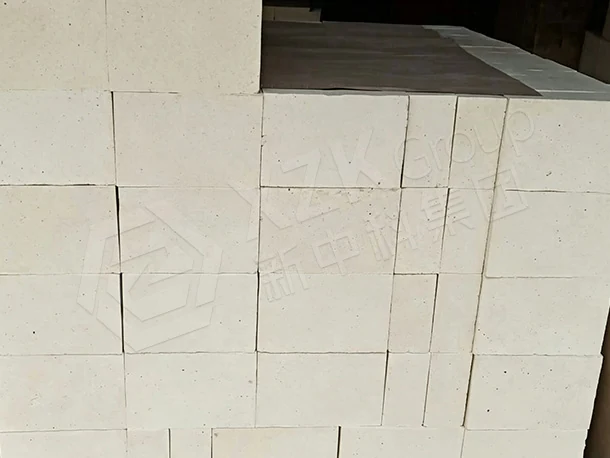
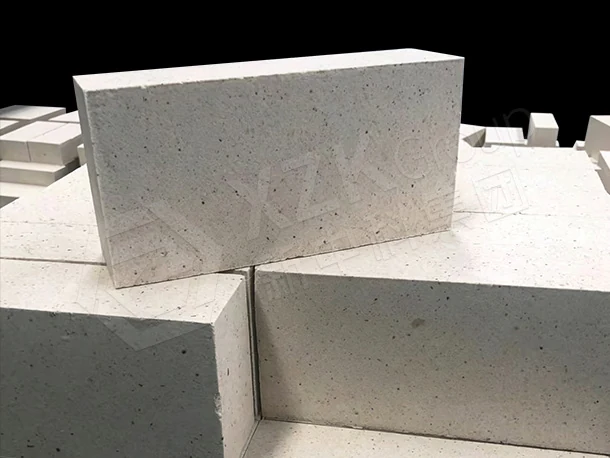
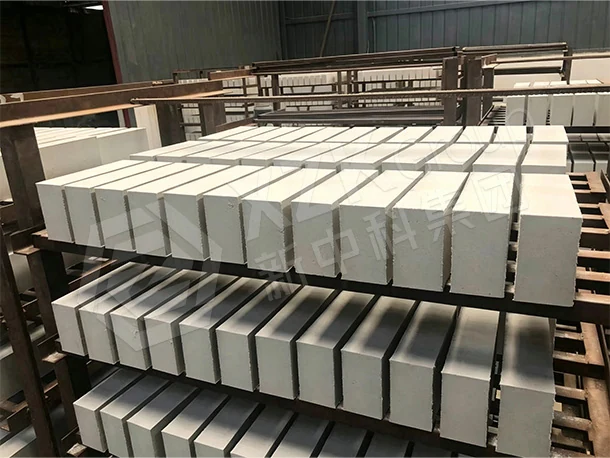
Lightweight Silica Insulating Brick — Production & Application Scenarios
Premium raw materials, CNC pressing, high-temp firing, and on-site installation.
Advantages of Choosing XZK Lightweight Silica Insulating Brick
Volume Stability Where It Counts
Silica insulation holds its dimensions at temperatures where alumina-based insulation starts to shrink. In a stove, where the backup sits behind a working lining for decades, that stability is what keeps the layer intact.
Very Low Density
From 0.8 g/cm³, which reduces the dead load on the stove structure while still insulating — useful on tall shafts and large domes.
Adequate Strength for Backup Duty
Crushing strength 2.0–4.0 MPa across the range is sufficient for a backup layer that carries only its own weight.
Low Alumina, High Purity
Al₂O₃ held to 1.0% keeps the material chemically stable in the stove atmosphere and avoids the impurity-driven phase changes that shorten insulation life.
Specific Applications of Lightweight Silica Insulating Brick
Proven performance across diverse heavy industrial thermal equipment.
Hot Blast Stove Domes & Shafts
High-temperature insulation behind the working lining in internal and external combustion stoves.
Regenerator & Combustion Chamber Backup
Backup insulation in stove regenerators and combustion chambers.
Glass Furnace Crowns & Regenerators
Silica-compatible insulation in glass furnace structures where the chemistry matches.
High-Temperature Industrial Backups
Other furnace backup zones where volume stability above 1500 °C is required.
400+ Furnaces Trust XZK Refractory Solutions
Over 75% of our international steel and kiln clients continue multi-year long-term procurement partnerships.
Silica insulation behind the stove working lining has held its geometry, which is exactly why we specified it rather than an alumina grade.
Low density helped with the structural load on a tall shaft and the insulation performance is as designed.
Refractoriness under load met specification and our independent test confirmed it.
Cut pieces for the dome were numbered and fitted without site rework.
Frequently Asked Engineering Questions
Click any question to expand; only one answer is shown at a time.
Why silica insulation in a stove rather than high-alumina?
Volume stability. Silica insulation holds its dimensions at temperatures where alumina-based insulation begins to shrink. A backup layer that shrinks opens joints, and heat then reaches the shell — which defeats the purpose of the insulation.
What does "refractoriness under load — start" mean?
The temperature at which deformation begins under a specified load. XZK-LS grades run 1600 to 1640 °C, which is well above the temperature a stove backup normally sees and gives real margin.
Is there a thermal cycling concern with silica?
Silica materials have a well-known reversible expansion behaviour at lower temperatures. In stove service the backup operates at elevated temperature continuously, so this is not normally the issue it would be in a cycled zone. We will advise if your application cycles through the low-temperature range.
What is the MOQ and lead time?
10 metric tons for standard shapes and 20 metric tons for cut-to-fit work, with 20–35 days lead time where cutting is involved.
What test data is supplied?
Bulk density, cold crushing strength, refractoriness under load, permanent linear change and chemical analysis including SiO₂ and Al₂O₃, per ASTM and ISO methods. Batch COA ships with every lot.
Can you supply cut shapes for domes?
Yes, cut or pressed to drawing and numbered, so the insulation layer closes without gaps.
How should it be stored?
Dry and under cover. As with all insulation, saturation causes strength loss and spalling risk on first heat-up.
How is it packed?
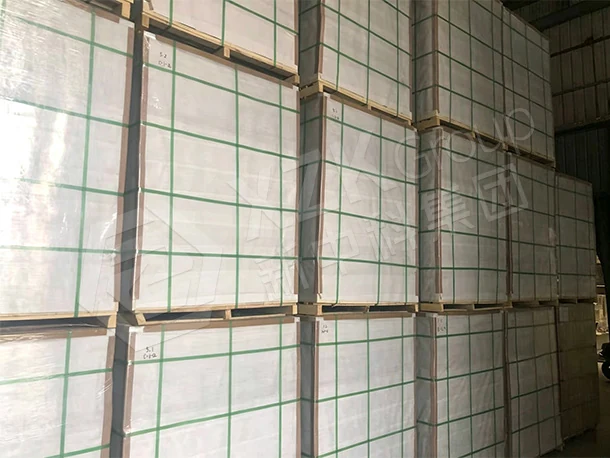
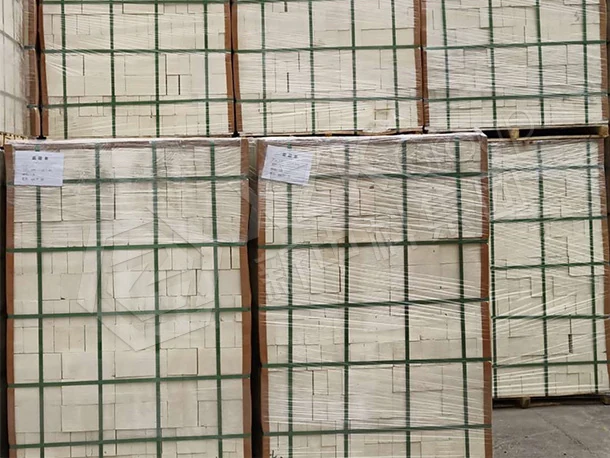
Palletised with edge protection, interleaved cushioning and stretch wrap on ISPM-15 heat-treated pallets; low-density grades crated or boxed.
Related Refractories & Lining Materials
Explore complementary refractory brick grades and monolithic materials for your furnace relining.
Get Your Lightweight Silica Insulating Brick Quote within 12 Hours
Please specify your refractory requirements by referring to the following aspects:
- ✓ Target Application: Furnace type, lining position (slag line, hearth, roof)
- ✓ Technical Specs: Operating temperature, slag chemistry, chemistry requirements
- ✓ Quantity & Dimensions: Tonnage requirement, standard or custom CAD drawing
- ✓ Delivery Terms: FOB Qingdao/Tianjin, CIF destination port
Why Steel Plants Choose XZK Refractories
Zonal Engineering, Not Just Bricks
Every proposal is a zone-by-zone material schedule matched to your furnace profile and operating practice — so all zones reach end-of-life together.
Source Factory Consistency
Fully automatic CNC batching and zero-defect quality control keep batch-to-batch variation at laboratory level.
Proven Global References
Supplied to Baosteel, Shougang, Hyundai Steel, JSW, Severstal, MMK and 400+ furnace projects across 60+ countries.
Full-Lifecycle Service
Lining design, masonry supervision, heat-up curves and failure analysis — plus EPC turnkey delivery for new builds and relines.
Send Us Your Furnace Drawing
Our engineers will return a zonal lining proposal with material schedule and quotation within 48 hours — even for non-standard shapes.
- Free material feasibility review
- Zonal architecture & installation drawings
- Heat-up curve & masonry guidance
Strict ISO 9001 Process Control Across All 6 Workshops
Every batch of raw materials is chemically assayed. Finished refractory shapes undergo density, ultrasonic non-destructive testing, and pre-assembly gap verification prior to global packaging.
- Raw material ICP chemical assay on every incoming batch
- Density, porosity and cold crushing (CCS) tests per ASTM / ISO
- Ultrasonic non-destructive testing of finished shapes
- Pre-assembly gap verification before seaworthy packaging