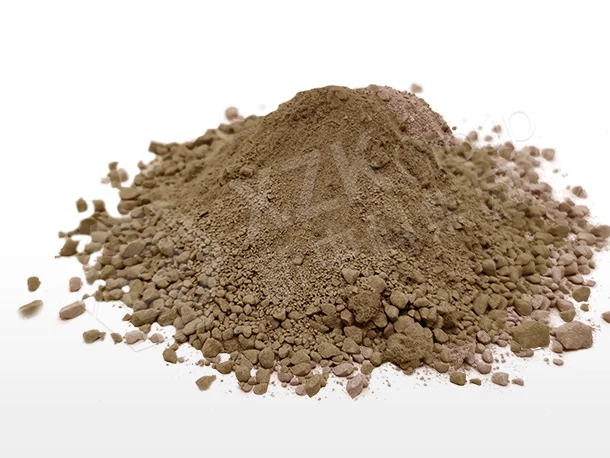
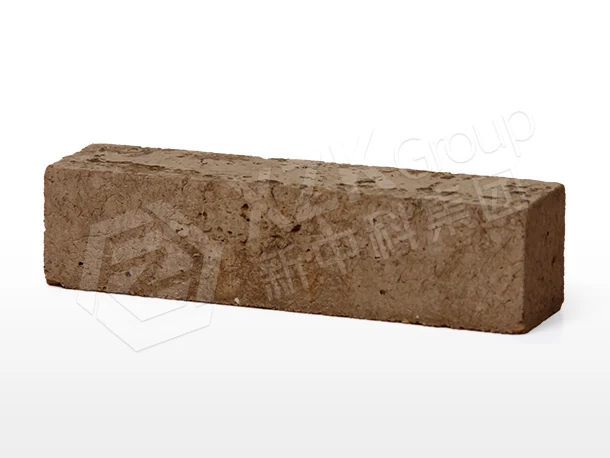
Magnesia Dry Ramming Mass for EAF and Induction Furnace Hearths
MgO ≥80% · CaO/Fe₂O₃ 4–10% · Bulk density ≥2.20 g/cm³ · Crushing strength ≥25 MPa at 1600 °C — dry-installed hearth masses with controlled sintering.
Specifications of XZK Magnesia Dry Ramming Mass
Manufactured strictly in accordance with ASTM, ISO, and YB/T metallurgical refractory standards.
| Property | Unit | Typical Value |
|---|---|---|
| MgO | % ≥ | 80.0 |
| CaO / Fe₂O₃ | % | 4 – 10 |
| Bulk density (as delivered) | g/cm³ ≥ | 2.20 |
| Crushing strength (1600 °C × 3 h) | MPa ≥ | 25.0 |
| Max service temperature | °C | 1800 |
Values are typical production averages, not guaranteed minima. A batch-specific Certificate of Analysis is issued for every shipment; third-party inspection (SGS / BV / TÜV) can be arranged on request.
| Property Reported Above | ASTM | ISO | GB/T |
|---|---|---|---|
| Chemical composition — MgO, CaO, SiO₂, Fe₂O₃, Al₂O₃ | ASTM C574 | ISO 12677 | GB/T 5069 |
| Apparent porosity and bulk density | ASTM C20 | ISO 5017 | GB/T 2997 |
| Cold crushing strength | ASTM C133 | ISO 10059-1 | GB/T 5072 |
Every value in the tables above is determined by the method stated in this reference table, and the method is identified on the batch Certificate of Analysis. Where a property is not covered by a directly corresponding ISO method, the ASTM or GB/T method is applied as the reference method and stated accordingly. Third-party verification (SGS / BV / TÜV) can be arranged on request.
About XZK Magnesia Dry Ramming Mass
Magnesia dry ramming mass is installed dry and becomes a monolithic hearth only once the furnace comes up to temperature. That distinction matters: the value of a good hearth mass is not just its chemistry, but how it sinters — how deeply the sintered layer forms, how dense it becomes, and what is left behind it.
Why the Sintering Gradient Is the Whole Game
If the entire installed layer sinters, it becomes a single rigid mass. As the furnace heats and cools, that mass has nowhere to relieve stress except by cracking — and a through-thickness crack is a metal penetration path. A properly graded mass behaves differently: the working face sinters dense and strong, while the material behind it stays partly unsintered and compliant, absorbing expansion and thermal movement.
Getting that gradient right is a function of grain size distribution and of the CaO/Fe₂O₃ flux content, which controls where and how fast sintering begins. At MgO ≥80% with flux held in the 4–10% band, XZK-ERam-80 develops a strong face at 1600 °C (crushing strength ≥25 MPa) while retaining a compliant backing layer.
Installation: Where Hearth Life Is Actually Won
In our experience, premature hearth failure is far more often an installation problem than a material problem. Three things matter most:
- Layer thickness and compaction — install in increments and compact each one. Under-compaction leaves voids that become penetration paths.
- Former practice — for EAF hearths the mass is rammed against a former; former design and removal affect the final profile.
- First heat — a controlled ramp lets the sintering front develop gradually. Rushing first heat is the most common single cause of a weak working face.
We issue a layer-by-layer procedure and a first-heat curve with every order, and can arrange on-site supervision for a first-time conversion.
EAF Hearths vs Induction Hearths
The two duties are not interchangeable. An arc furnace hearth sees a steep gradient from the arc down, with slag contact at the upper face and a safety lining beneath. A coreless induction hearth has a different gradient and metal contact behaviour, and typically needs a mass tuned for a thinner, denser sintered zone. Specify the furnace type and capacity when you enquire so the grading matches.
Supply and Documentation
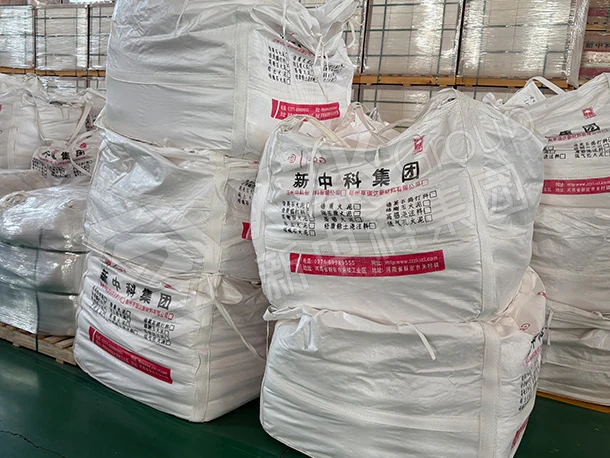
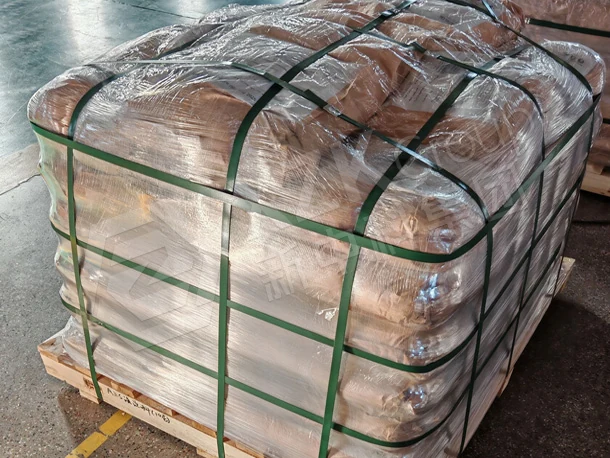
Supplied in 25 kg moisture-barrier bags on ISPM-15 pallets or in 1,000 kg big bags, date-stamped for shelf-life control. Minimum order 5 metric tons. Every batch ships with chemical analysis and physical test data, and the material is hygroscopic — store dry, off the ground, and use within the stated shelf life.
Where This Grade Sits in the Lining System
Carbon-bonded basic grades are never specified in isolation. Carbon level, antioxidant package and bulk density are all set by the zone, and the zone map is set by the vessel — which is why a grade that performs well in one position can fail early in the next.
XZK supplies magnesia dry ramming mass as one zone of a zoned package rather than as a standalone item: the grades normally zoned alongside it — among them magnesia carbon brick — are documented on the magnesia-carbon and basic refractories page, and the vessel-level architecture — where each zone starts and ends, and which mechanism actually limits the campaign — is set out on the electric arc furnace page.
The ABINSK Electric Steel Works EAF and ladle programme reference documents how this class of material performed in full service, with the measured campaign figures rather than datasheet values.
Magnesia Dry Ramming Mass — Production & Application Scenarios
Premium raw materials, CNC pressing, high-temp firing, and on-site installation.
Advantages of Choosing XZK Magnesia Dry Ramming Mass
Controlled Sintering Profile
The grain distribution is graded so that a dense, strong sintered layer forms at the working face while the material behind it stays partly unsintered and compliant — which is what prevents through-thickness cracking as the hearth expands.
High Purity, High Service Ceiling
At MgO ≥80% with service capability to 1800 °C, the mass handles UHP arc furnace and coreless induction hearth temperatures without softening at the working face.
Resists Metal and Slag Penetration
A dense sintered face with low open porosity limits penetration by molten metal and FeO-bearing slag, which is the usual route to hearth buildup and eventual breakout risk.
Fast, Skill-Tolerant Installation
Dry installation needs no mixing water and no curing time, so hearth rebuilds are faster and less dependent on crew skill than cast or rammed wet systems.
Specific Applications of Magnesia Dry Ramming Mass
Proven performance across diverse heavy industrial thermal equipment.
Electric Arc Furnace Hearth
Working hearth and sub-hearth layers in UHP AC, DC and shaft furnaces, installed dry against the safety lining and sintered on first heat.
Coreless Induction Furnace
Working linings for steel, iron and alloy melting, where a dry-installed magnesia mass gives predictable sintering and clean metal contact.
Ladle and Tundish Backing
Selected backing and sub-hearth layers where a dry, high-MgO mass is preferred over a castable for thermal or scheduling reasons.
400+ Furnaces Trust XZK Refractory Solutions
Over 75% of our international steel and kiln clients continue multi-year long-term procurement partnerships.
Hearth life went up and, more importantly, became predictable. We plan the rebuild now instead of reacting to it.
The sintering profile behaved as described — hard face, soft backing. No through-cracking on heat-up.
Dry installation cut our hearth rebuild by most of a shift compared with the wet system we used before.
The installation procedure they sent was specific about layer thickness and compaction, which is what made the difference.
Frequently Asked Engineering Questions
Click any question to expand; only one answer is shown at a time.
What does "controlled sintering" actually mean?
The grain grading is designed so that only the upper portion of the installed layer sinters into a dense, strong mass during first heat, while material further from the hot face remains largely unsintered and able to accommodate expansion. Without that gradient the whole layer sinters, becomes rigid, and cracks as the hearth cycles.
How thick should each layer be?
It depends on furnace size and the compaction method, but layers are typically installed in increments and compacted between each. We issue a layer-by-layer procedure with the material rather than a single figure, because under-compaction is the most common cause of premature hearth wear.
Do you need a former or template?
For EAF hearths, yes in most designs — the mass is rammed against a former that is later removed or melted out. We can advise on former design and on the sintering schedule for the first heat.
What is the first-heat procedure?
A controlled ramp that allows the sintering front to develop gradually, followed by a hold at temperature. Rushing first heat is the single most common cause of a weak sintered face. We supply the curve with the material.
What is the shelf life?
Typically 6–12 months in original sealed bags, stored dry and off the ground. The mass is hygroscopic; once it has picked up moisture, sintering behaviour and strength are compromised. Every bag is date-stamped.
What is the MOQ?
5 metric tons. Standard packing is 25 kg moisture-barrier bags on ISPM-15 pallets, with 1,000 kg big bags available for larger repeat orders.
Can you supply for coreless induction furnaces specifically?
Yes. Induction hearths have different sintering requirements from arc furnace hearths, mainly around the temperature gradient and the metal contact face. Tell us the furnace type and capacity and we will specify accordingly.
What documentation is provided?
Batch chemical analysis and physical test data, plus a written installation and first-heat procedure. On-site supervision can be arranged for first-time conversions.
Related Refractories & Lining Materials
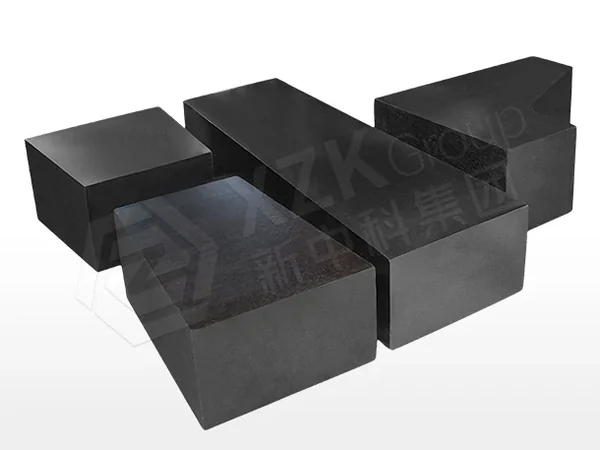
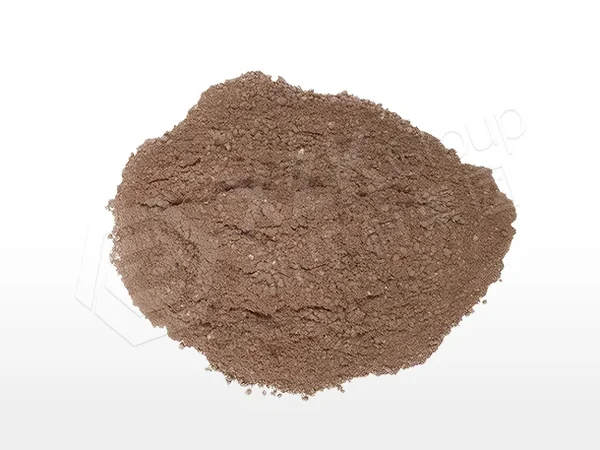
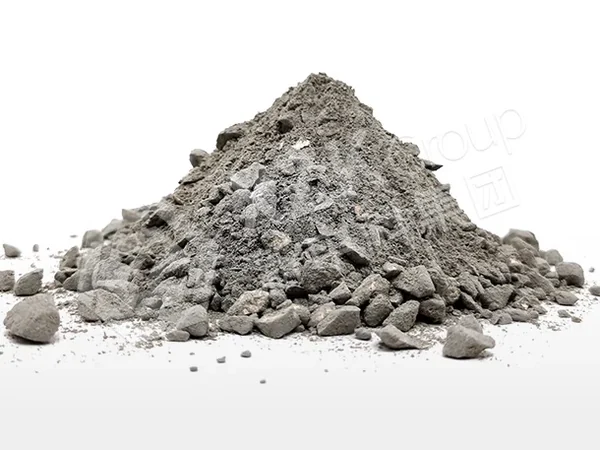
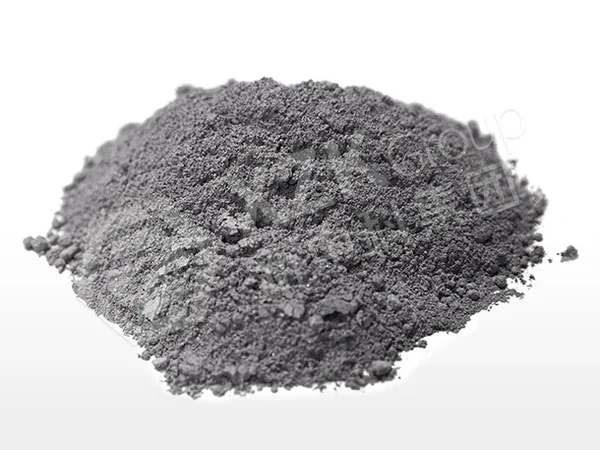
Explore complementary refractory brick grades and monolithic materials for your furnace relining.
Get Your Magnesia Dry Ramming Mass Quote within 12 Hours
Please specify your refractory requirements by referring to the following aspects:
- ✓ Target Application: Furnace type, lining position (slag line, hearth, roof)
- ✓ Technical Specs: Operating temperature, slag chemistry, chemistry requirements
- ✓ Quantity & Dimensions: Tonnage requirement, standard or custom CAD drawing
- ✓ Delivery Terms: FOB Qingdao/Tianjin, CIF destination port
Why Steel Plants Choose XZK Refractories
Zonal Engineering, Not Just Bricks
Every proposal is a zone-by-zone material schedule matched to your furnace profile and operating practice — so all zones reach end-of-life together.
Source Factory Consistency
Fully automatic CNC batching and zero-defect quality control keep batch-to-batch variation at laboratory level.
Proven Global References
Supplied to Baosteel, Shougang, Hyundai Steel, JSW, Severstal, MMK and 400+ furnace projects across 60+ countries.
Full-Lifecycle Service
Lining design, masonry supervision, heat-up curves and failure analysis — plus EPC turnkey delivery for new builds and relines.
Send Us Your Furnace Drawing
Our engineers will return a zonal lining proposal with material schedule and quotation within 48 hours — even for non-standard shapes.
- Free material feasibility review
- Zonal architecture & installation drawings
- Heat-up curve & masonry guidance
Strict ISO 9001 Process Control Across All 6 Workshops
Every batch of raw materials is chemically assayed. Finished refractory shapes undergo density, ultrasonic non-destructive testing, and pre-assembly gap verification prior to global packaging.
- Raw material ICP chemical assay on every incoming batch
- Density, porosity and cold crushing (CCS) tests per ASTM / ISO
- Ultrasonic non-destructive testing of finished shapes
- Pre-assembly gap verification before seaworthy packaging