
Mexico · Monclova
Altos Hornos de México (AHMSA) — 150 t Torpedo Car Full Refractory Package
150 t torpedo car — complete refractory supply
Read Case Study →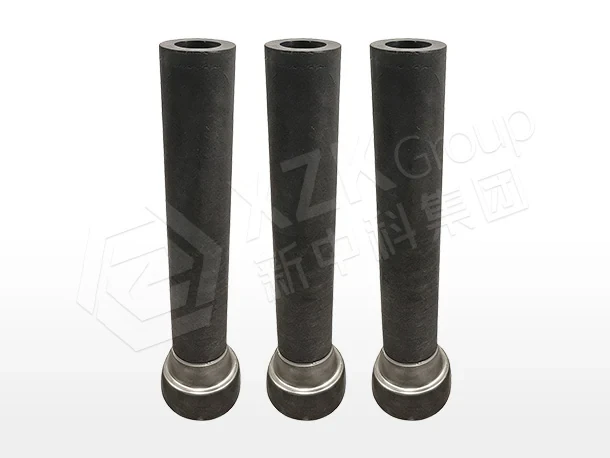
XZK supplies magnesia-carbon EAF slag line refractories and ladle slide gate systems to ABINSK Electric Steel Works.
Abinsk Electric Steel Works runs the EAF route, where refractory cost concentrates in two places — the furnace slag line and the ladle flow-control system — and where the two have different failure rhythms. Supplying both under one quality and documentation standard is what let the improvement be measured rather than asserted.
EAF steelmaking concentrates refractory cost differently from the integrated route. There is no hot metal transport, no converter, no stove; instead the furnace slag line, the furnace hearth and roof, and the ladle flow-control system carry the load. With scrap-based production and high transformer power, the EAF slag line sees a combination of arc radiation, slag attack and mechanical abuse from charging that makes it the single largest refractory cost centre on the route.
On the furnace, the slag line and hot spots were forcing the campaign, with the wear pattern reflecting the arc practice and the power level rather than a material defect. On the ladle, the slide gate system was the issue: plate life was inconsistent, and the inconsistency correlated with mechanism condition rather than with plate quality — plates seating imperfectly wore unevenly regardless of their own specification.
Deliveries were scheduled against the furnace and ladle maintenance cycles. Plates were packed by ladle position with dimensional reports enclosed, and furnace material was palletised by zone. Gunning mix shipped with stated shelf life and storage conditions, because gunning material stored badly loses the bond that was supposed to form in service.
Slide gate plates were seated and the mechanism checked against the dimensional report on the first set, establishing the baseline practice that later sets were audited against. Furnace slag-line installation followed the zone map, and the gunning programme was commissioned with the water addition and rebound discipline specified rather than left to the crew.
Slide gate assembly supply to mechanism with dimensional reports removed the seating-driven inconsistency, so plate life became a property of the plate rather than of the mechanism's condition. Furnace slag-line wear followed the prediction based on arc practice, and the gunning programme extended the interval between repairs without introducing a boundary-layer failure.
Plate life was tracked per ladle and per mechanism rather than in aggregate, which is what separated seating problems from plate problems — the aggregate figure had hidden the correlation for months. Furnace performance was tracked as refractory consumption per ton of liquid steel by position, so the slag line, hearth and roof could be optimised independently instead of being reported as one number that always moved with the slag line.
On the EAF route, refractory cost concentrates at the slag line and in ladle flow control. Specify the slag line against power level and arc practice, not against a grade name; buy slide gate plates with dimensional reports and check them against the mechanism; and match the gunning mix to the lining chemistry. Those three cover most of the available improvement.
The furnace material is on the magnesia carbon brick page, the maintenance material on the magnesia gunning mix page, and the system views on the EAF and steel ladle pages.
150 t torpedo car — complete refractory supply
Read Case Study →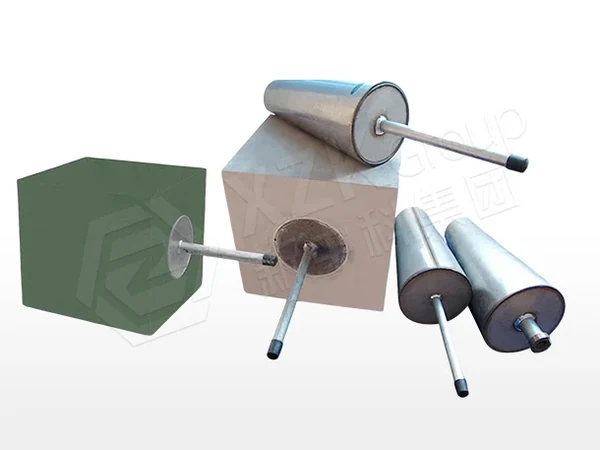
80–120 t EAF ladles — working lining, purging plug & well block
Read Case Study →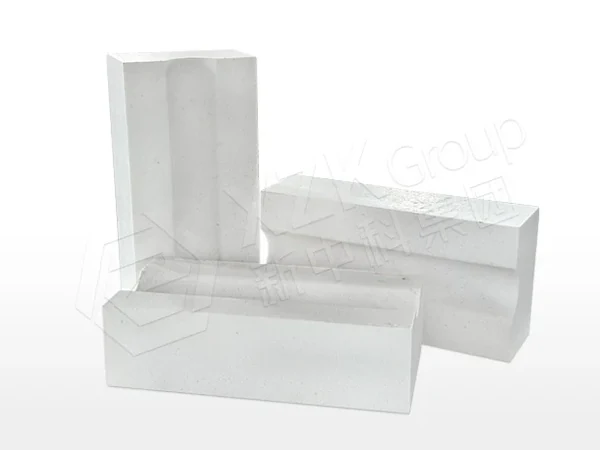
Refractory supply across furnace insulation and wear-face applications
Read Case Study →Every batch of raw materials is chemically assayed. Finished refractory shapes undergo density, ultrasonic non-destructive testing, and pre-assembly gap verification prior to global packaging.