Mexico · Monclova
Altos Hornos de México (AHMSA) — 150 t Torpedo Car Full Refractory Package
150 t torpedo car — complete refractory supply
Read Case Study →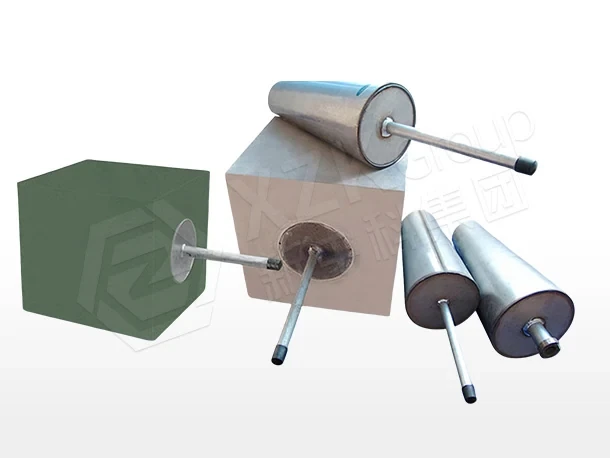
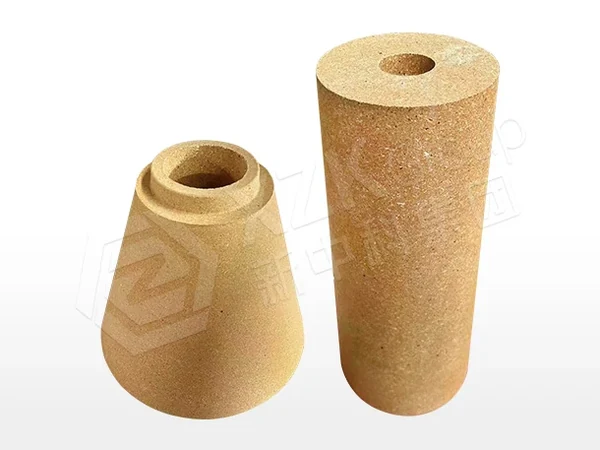
XZK supplies EAF ladle working linings, purging plugs and well blocks to EZDK Steel in Alexandria.
EZDK Steel's ladle bottom problem is the most instructive kind of refractory failure: the material was fine and the assembly was not. XZK supplied a matched purging plug and well block set, and the penetration at the purging seat stopped.
EZDK operates 80–120 t EAF ladles with bottom argon purging for homogenisation and inclusion removal. On a ladle of this size the argon treatment is doing real metallurgical work — alloy dissolution, temperature homogenisation, inclusion flotation — and a plug that stops blowing does not degrade the process gradually, it halts it. Steel breakout through a worn plug assembly is also a genuine safety risk, which is why ladle bottom condition is treated as a safety item at this plant.
Teardown evidence showed steel penetration around the purging assembly. The plug chemistry was not in question; the penetration path was. Penetration around a purging assembly begins with a gap, and gaps begin with geometry: a seat that was worn, a dimension outside tolerance, or an installation that compressed the wrong interface. Once liquid steel finds the path at the ladle bottom, where ferrostatic pressure is highest and nothing is visible, the assembly's fate is decided within a campaign — gas flow becomes erratic, stirring quality falls, and the plug change becomes an emergency instead of a plan.
Each assembly shipped with the factory inspection report from the dry trial-fit, so the receiving check verified what had been verified at manufacture rather than re-deriving it. Flow-test records stated flow rate at working pressure, opening pressure and back-pressure behaviour at low flow — the last being what the operator feels during soft stirring at the end of argon treatment, which is exactly where erratic plugs make themselves known.
Installation supervision on the first matched set covered the three known failure points: seat surface clean and undamaged before setting; joint mortar to the specified grade and thickness rather than whatever was mixed; and the first heats run to the plug's designed stirring profile rather than the practice the previous plug tolerated. Installation supervision on a first-time matched assembly is a small cost against one avoided penetration event.
The matched plug and well block set eliminated penetration at the purging seat. The sequence of benefits that followed is the typical one: erratic plug behaviour stopped first, then the bottom maintenance schedule stabilised, and finally plug consumption became predictable enough to budget honestly. Safety exposure at the ladle bottom was removed rather than managed.
Plug consumption was expressed per ton of steel rather than per heat, since a plug surviving forty short heats may have handled less metal than one surviving twenty long ones, and normalised consumption is the only basis on which two suppliers' plugs can be compared across shops. Planned and forced changes were counted separately, which located most of the cost in the forced-change column and justified the matched assembly on arithmetic rather than on principle.
If plugs are failing early and nobody can say why, photograph the failed plugs and send the seat drawings — the answer is usually visible before chemistry needs to be discussed. And count forced plug changes separately from planned ones; that single split is the most useful half-hour of analysis available on a ladle fleet.
The system view is on the steel ladle, RH and VD page, with a comparable bottom-purging application in the ArcelorMittal Kryvyi Rih case study.
150 t torpedo car — complete refractory supply
Read Case Study →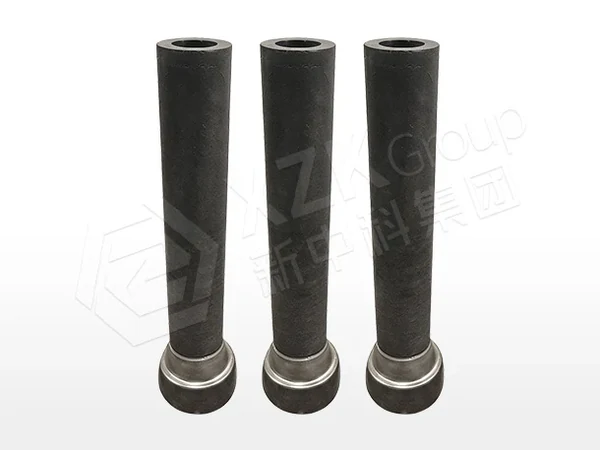
EAF slag line & ladle slide gate system
Read Case Study →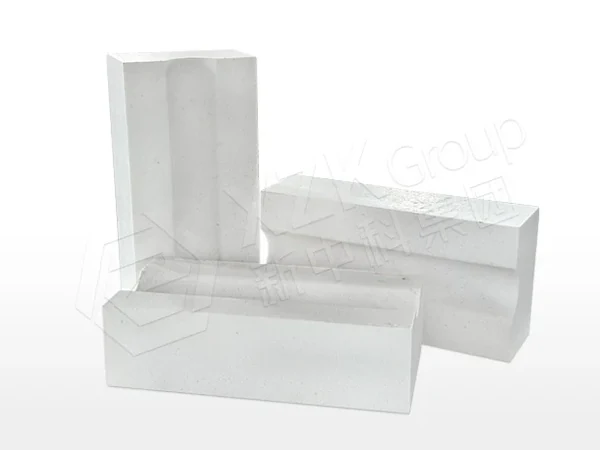
Refractory supply across furnace insulation and wear-face applications
Read Case Study →Every batch of raw materials is chemically assayed. Finished refractory shapes undergo density, ultrasonic non-destructive testing, and pre-assembly gap verification prior to global packaging.