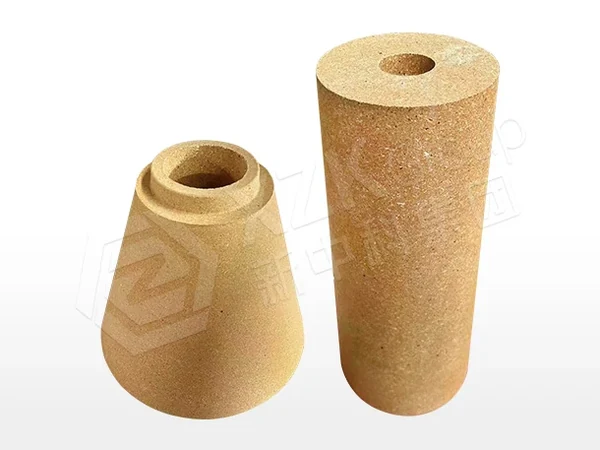
Mexico · Monclova
Altos Hornos de México (AHMSA) — 150 t Torpedo Car Full Refractory Package
150 t torpedo car — complete refractory supply
Read Case Study →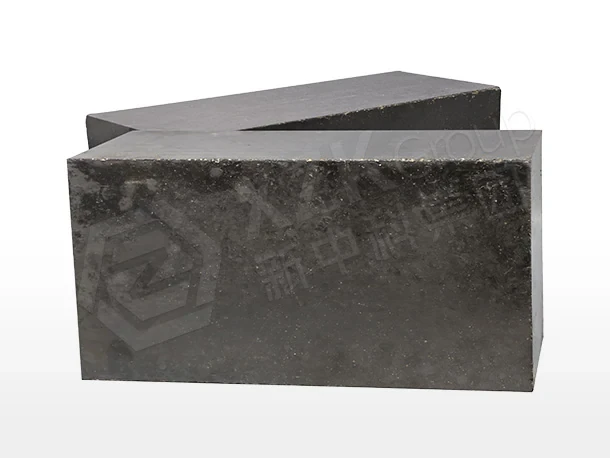
XZK supplies MgO-C working linings, taphole assemblies and bottom purging sets for 300 t BOF converters at ArcelorMittal Kryvyi Rih.
Combined blowing converters have a refractory problem that pure top-blown vessels do not: the bottom purging assembly has its own life, and if that life is shorter than the campaign it becomes the campaign. At ArcelorMittal Kryvyi Rih, aligning the two was the whole point of the package.
Kryvyi Rih operates 300 t BOF converters with combined top and bottom blowing. Combined blowing is not optional for the plant's product mix — bottom stirring drives the bath homogenisation and the end-point carbon-oxygen control that the grade mix requires — so the bottom purging assembly is a production component, not a convenience. When it degrades, the metallurgical consequence (worse end-point control, higher iron yield loss in the slag) appears before the refractory consequence.
Two distinct issues were identified from the operating record and the teardown evidence. First, the bottom purging assembly life was shorter than the vessel campaign, so the converter was being forced down — or run with degraded stirring — before the working lining reached its limit. Second, wear in the working lining was concentrated at the slag line and metal zone in a pattern consistent with oxidation preceding slag corrosion: once oxygen or FeO reached the graphite in the brick, the slag barrier was gone and penetration accelerated.
The lining was zoned and the purge assembly was specified as a system rather than a consumable:
Batch Certificates of Analysis covered chemistry, density, porosity and crushing strength, with HMOR and oxidation testing on the grades where those govern. The purging assemblies shipped with flow-test records stating flow rate at working pressure, opening pressure, and back-pressure behaviour at low flow — the three numbers that let the assembly be commissioned with confidence and compared against its predecessor at the next change.
The purging assembly installation was supervised for the first set: seat surface verified clean and undamaged, joint mortar to the specified grade and thickness, and the first heats run to the plug's designed stirring profile rather than the practice the previous plug tolerated. Lining installation followed the zone schedule with joint thickness controlled.
The bottom purging assembly life was aligned with the campaign length, so the converter stopped coming down — or running with degraded stirring — for the plug. Working lining wear followed the zonal prediction, with the slag line no longer the sole forcing position. The operational benefit was end-point control held through the whole campaign rather than degrading in its last third.
Any combined-blowing converter should have its purging assembly life and its campaign length plotted on the same axis. If they do not coincide, the vessel is being run to the shorter of the two, and the whole difference is available as campaign — usually for the price of supplying the assembly as a matched set rather than as a plug bought separately from its furniture.
The lining grades are documented on the BOF magnesia carbon brick page, the purge assembly on the purging plug and well block pages, the taphole on the waterless taphole clay page, and the system view on the BOF converter page.
150 t torpedo car — complete refractory supply
Read Case Study →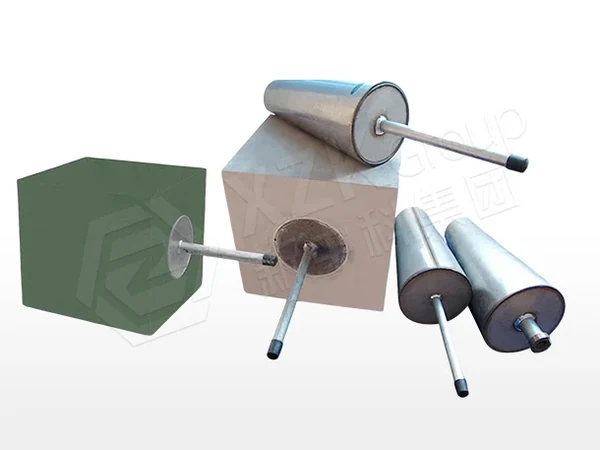
80–120 t EAF ladles — working lining, purging plug & well block
Read Case Study →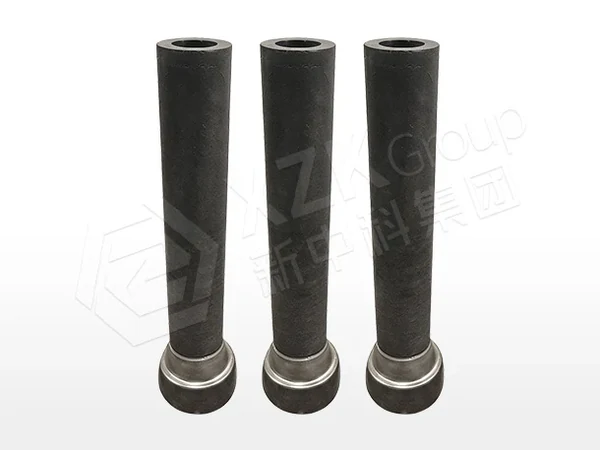
EAF slag line & ladle slide gate system
Read Case Study →Every batch of raw materials is chemically assayed. Finished refractory shapes undergo density, ultrasonic non-destructive testing, and pre-assembly gap verification prior to global packaging.