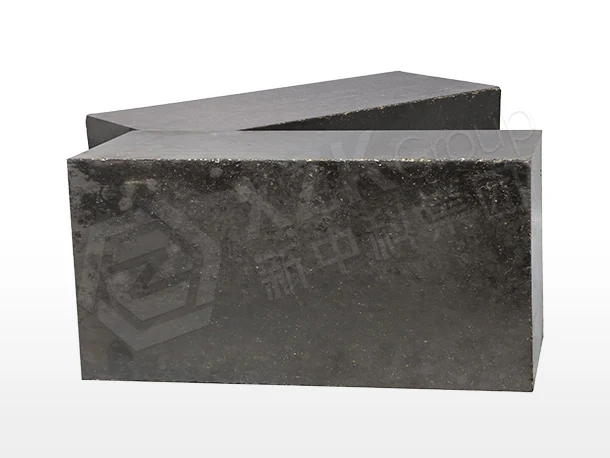
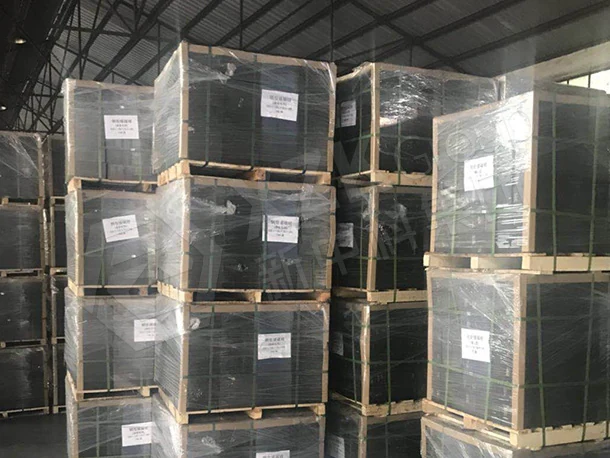
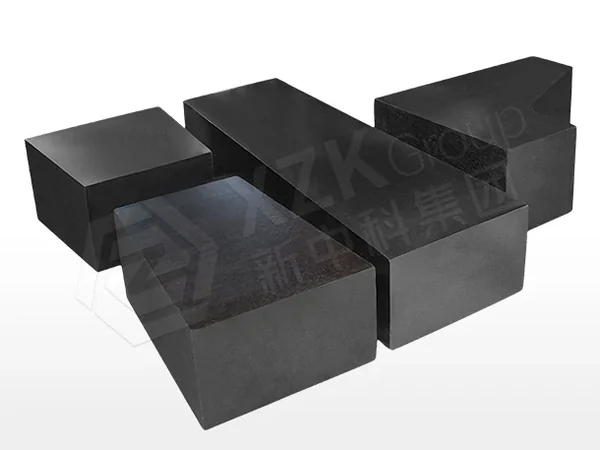
BOF Magnesia Carbon Brick — Zonal Converter Lining Grades
Resin-bonded MgO-C bricks for BOF cones, sidewalls, slag lines and tap pads: 13–19% carbon grades assigned by wear zone so the whole converter reaches the end of campaign together.
Specifications of XZK BOF Magnesia Carbon Brick
Manufactured strictly in accordance with ASTM, ISO, and YB/T metallurgical refractory standards.
| Location | Brand | C (%) | MgO (%) | Apparent Porosity (%) ≤ | Bulk Density (g/cm³) ≥ | Cold Crushing Strength (MPa) ≥ | Hot MOR 1400 °C × 0.5 h (MPa) ≥ |
|---|---|---|---|---|---|---|---|
| Cone | XZK-MC-14AF3 | 15 | 76 | 3.0 | 3.05 | 43 | 10 |
| Cone | XZK-MC-16AF3 | 17 | 74 | 2.5 | 3.00 | 40 | 10 |
| Sidewall | XZK-MC-14AF2/F3 | 15 | 76 | 3.0 | 3.05 | 43 | 12 |
| Sidewall | XZK-MC-16AF2/F3 | 17 | 74 | 2.5 | 3.00 | 40 | 10 |
| Sidewall | XZK-MC-18AF2/F3 | 19 | 72 | 2.0 | 2.98 | 38 | 10 |
| Slag Line / Metal Zone | XZK-MC-14AF1/F2 | 15 | 77 | 3.0 | 3.05 | 43 | 14 |
| Slag Line / Metal Zone | XZK-MC-16AF1/F2 | 17 | 75 | 2.5 | 3.00 | 40 | 12 |
| Slag Line / Metal Zone | XZK-MC-18AF1/F2 | 19 | 73 | 2.0 | 2.98 | 38 | 12 |
| Bottom | XZK-MC-14AF1/F2 | 15 | 76 | 3.0 | 3.05 | 43 | 12 |
| Bottom | XZK-MC-16AF1/F2 | 17 | 74 | 2.5 | 3.00 | 40 | 10 |
| Bottom | XZK-MC-18AF1/F2 | 19 | 72 | 2.0 | 2.98 | 38 | 10 |
| Purging Plug | XZK-MC-14AF1 | 15 | 77 | 3.0 | 3.05 | 40 | 14 |
| Purging Plug | XZK-MC-18AF1 | 19 | 73 | 2.0 | 2.98 | 38 | 12 |
| Protective Block | XZK-MC-14AF1 | 15 | 77 | 3.0 | 3.05 | 40 | 14 |
| Taphole Seating Block | XZK-MC-12AF1/F2 | 13 | 79 | 4.0 | 2.98 | 40 | 14 |
| Taphole Sleeve Block | XZK-MC-12AF1/F2 | 13 | 79 | 3.0 | 3.05 | 42 | 14 |
| Safety Lining (low carbon) | XZK-MC-4F3 | 4 | 89 | 6.0 | 3.05 | 50 | — |
| Property Reported Above | ASTM | ISO | GB/T |
|---|---|---|---|
| Chemical composition — MgO, CaO, SiO₂, Fe₂O₃, Al₂O₃ | ASTM C574 | ISO 12677 | GB/T 5069 |
| Carbon / SiC content (carbon-bearing grades) | ASTM C571 | — | GB/T 17732 |
| Apparent porosity and bulk density | ASTM C20 | ISO 5017 | GB/T 2997 |
| Cold crushing strength | ASTM C133 | ISO 10059-1 | GB/T 5072 |
| Hot modulus of rupture (carbon-bearing grades) | ASTM C1099 | ISO 5013 | GB/T 13243 |
About XZK BOF Magnesia Carbon Brick
One Vessel, Several Different Failure Modes
A BOF is not lined with one refractory. It is lined with five or six zones that fail by different mechanisms, at different rates, and almost never at the same time. The cone takes scrap impact and mechanical abrasion. The charge pad sees the same plus thermal shock from cold scrap. The slag line is dissolved by FeO-rich slag. The bottom carries bottom-stirring erosion and steel penetration. The taphole assembly has to hold dimensional stability while molten steel flows through it at every tap.
If all of those zones get the same brick, one of them becomes the campaign-limiting zone and the rest of the vessel is thrown away while it still has life in it. This is why XZK supplies a zonal grade matrix rather than a single "BOF grade": seventeen mapped grades from 4% to 19% carbon, each assigned to a location where its particular balance of slag resistance, hot strength and oxidation life is the right one.
Reading the Grade Matrix
Carbon does three things in an MgO-C brick. It is not wetted by basic slag, so it slows penetration. It carries heat away from the hot face, which keeps the brick below the temperature where it softens. And it gives the lining enough compliance to absorb thermal cycling without spalling.
What carbon costs you is hot strength and oxidation life. That is the trade the matrix is built around:
- 19% C, 72% MgO — maximum slag resistance, lowest apparent porosity (≤ 2.0%), for slag line and metal zone service where dissolution dominates.
- 15–17% C, 74–77% MgO — the working compromise for sidewall and bottom, where mechanical load and thermal cycling matter as much as slag.
- 13% C, 79% MgO — taphole seating and sleeve blocks, where dimensional stability and oxidation resistance outrank slag resistance.
- 4% C, 89% MgO — the safety lining. Deliberately low carbon, because a conductive high-carbon backup raises shell temperature and makes the working lining run hotter.
Why Antioxidants Are Not "More Is Better"
Aluminium, silicon, silicon carbide and boron carbide all slow decarburisation, but they work in different temperature bands and they leave different residues. Overdose a metallic antioxidant and you gain oxidation life at the cost of low-temperature strength and, in some cases, of the very hot strength you were protecting. Underdose it and the decarburised layer thickens until slag penetrates and the structure spalls.
We select the package by position and by oxygen potential rather than applying a fixed recipe across the vessel. If you tell us your slag FeO and your tap-to-tap time, we can usually predict which formulation will hold and which will run out early.
Manufacture and Batch Consistency
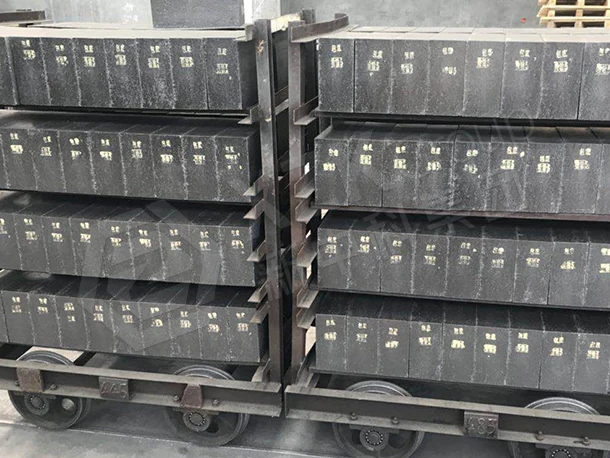
XZK basic refractories are pressed on 630-ton to 2,000-ton class CNC hydraulic presses from automatically weighed batches, then tempered under controlled atmosphere. Every batch is chemically assayed and tested for bulk density, apparent porosity, cold crushing strength and hot modulus of rupture, and ships with a Certificate of Analysis.
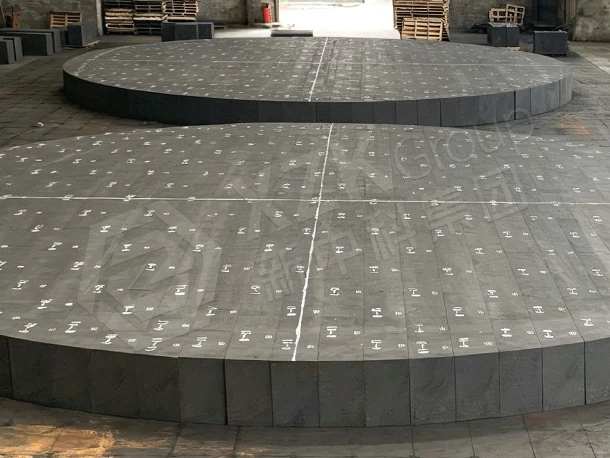
On shapes that have to close a ring — taphole seating and sleeve blocks especially — we diamond grind the seating faces and dry trial-fit the assembly before it leaves the works. Field cutting is where most relining schedules slip, and it is almost always cheaper to remove that step in the factory than on the furnace floor.
What We Need to Quote Properly
Vessel capacity, the zone-by-zone drawing or a worn-lining survey, campaign life by zone, tap-to-tap time, slag chemistry if you have it, and target heats. With that we return a zone-by-zone proposal with grades and quantities in about 48 hours.
If you do not have a drawing, send us the campaign record and a description of where the lining comes down first. That alone is often enough to identify which zone is limiting and what grade change would move it.
Where This Grade Sits in the Lining System
Carbon-bonded basic grades are never specified in isolation. Carbon level, antioxidant package and bulk density are all set by the zone, and the zone map is set by the vessel — which is why a grade that performs well in one position can fail early in the next.
XZK supplies bof magnesia carbon brick as one zone of a zoned package rather than as a standalone item: the grades normally zoned alongside it — among them magnesia carbon brick — are documented on the magnesia-carbon and basic refractories page, and the vessel-level architecture — where each zone starts and ends, and which mechanism actually limits the campaign — is set out on the BOF converter page.
The ArcelorMittal Kryvyi Rih 300 t BOF lining programme reference documents how this class of material performed in full service, with the measured campaign figures rather than datasheet values.
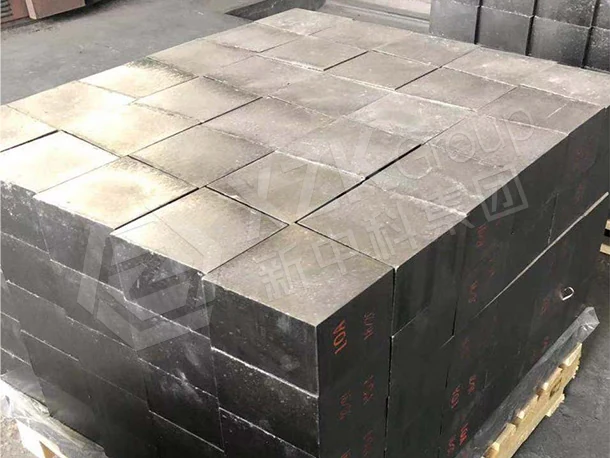
BOF Magnesia Carbon Brick — Production & Application Scenarios
Premium raw materials, CNC pressing, high-temp firing, and on-site installation.
Advantages of Choosing XZK BOF Magnesia Carbon Brick
Zonal Grade Assignment
Seventeen grades mapped to cone, sidewall, slag line, bottom, purge plug and taphole blocks so no zone is over- or under-specified.
Antioxidant Packages
Al, Si, SiC and B₄C additions matched to oxygen potential — slowing decarburisation without the low-temperature strength loss that comes from overdosing.
Dimensional Control
Key, arch and wedge shapes pressed to ±1.0 mm on seating faces, diamond ground and dry trial-fitted so the ring closes without field cutting.
Batch Traceability
Every batch chemically assayed and physically tested, shipped with a Certificate of Analysis; SGS / BV inspection available with witnessed sampling.
Specific Applications of BOF Magnesia Carbon Brick
Proven performance across diverse heavy industrial thermal equipment.
BOF Cone & Sidewall
Impact from scrap charging and mechanical abrasion — toughness-led grades at 15–17% C with hot MOR ≥ 10–12 MPa.
Slag Line & Metal Zone
FeO-rich slag dissolution is the dominant wear mechanism — highest carbon grades (17–19%) with the lowest apparent porosity.
Bottom & Purge Plugs
Combined bottom stirring, thermal cycling and steel penetration — grades held at 15–19% C with hot MOR ≥ 12–14 MPa.
400+ Furnaces Trust XZK Refractory Solutions
Over 75% of our international steel and kiln clients continue multi-year long-term procurement partnerships.
The zonal breakdown let us stop buying one grade for the whole vessel. Our slag line and cone now come down within days of each other instead of three weeks apart.
We asked for ASTM C830 and C583 numbers on the actual production batch, not a type-approval sheet. They came back in two days and matched.
The taphole seating and sleeve blocks arrived diamond finished and dry fitted. We saved a full shift of grinding during the reline.
What I value is that they told us where NOT to use high carbon — our bottom did better on the 15% grade than the 19% we had been buying.
Frequently Asked Engineering Questions
Click any question to expand; only one answer is shown at a time.
Which carbon level should we run in the slag line?
Slag line wear is dissolution-driven, so carbon is your friend: 17–19% C with apparent porosity ≤ 2.5%. The trade-off is hot strength and oxidation life, which is why we do not recommend the same grade for the cone, where mechanical impact dominates.
Why does the taphole seating block use a lower carbon grade?
It runs hotter and sees far less slag than the slag line, and it must hold dimensional stability against the sleeve. At 13% C and 79% MgO it keeps hot MOR at 14 MPa while resisting the oxidation that a higher carbon grade would suffer at that location.
Can you match the grade we are using now?
Yes, and we prefer to start there. Send the current TDS and the campaign record by zone. We will map your grades to ours property by property, and tell you honestly where a change would help and where it will not.
What is the shelf life, and why does it matter?
Six months from manufacture when stored dry and below 40 °C. Resin-bonded MgO-C continues to cure slowly in storage; past that window the green strength drops and edge chipping during installation rises sharply. Every pallet is date stamped.
Do you supply the safety lining as well?
Yes — a 4% C, 89% MgO low-carbon grade at 50 MPa CCS. Low carbon is deliberate: it keeps the safety lining thermally compatible with the working lining and avoids the heat loss and shell temperature that a conductive high-carbon backup would cause.
How do you handle the first campaign after a full reline?
Send your heat-up curve for review before the first charge. Most early lining damage we are asked to investigate traces back to a heat-up that was too fast through the resin decomposition band, or to a first-slag practice that was too oxidising for a carbon-bonded lining.
Can we get third-party inspection?
Yes. SGS, BV or TÜV with witnessed sampling can be arranged. We would rather have a stranger verify the numbers than ask you to take ours on trust.
What do you need from us to quote?
Vessel capacity, the zone-by-zone drawing or a worn-lining survey, current campaign life by zone, tap-to-tap time, slag chemistry if available, and target heats. With that we return a zone-by-zone proposal with quantities and grades in about 48 hours.
Related Refractories & Lining Materials
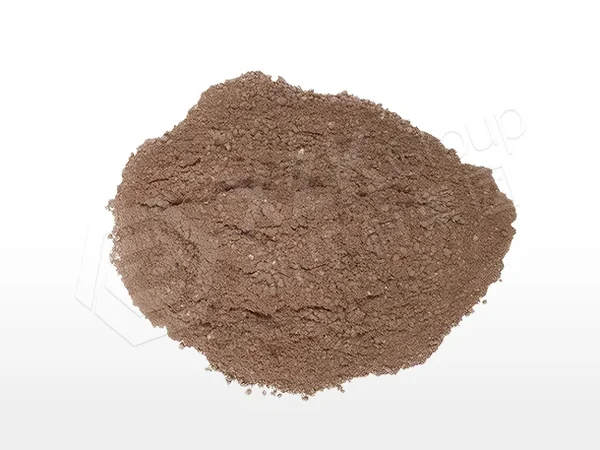
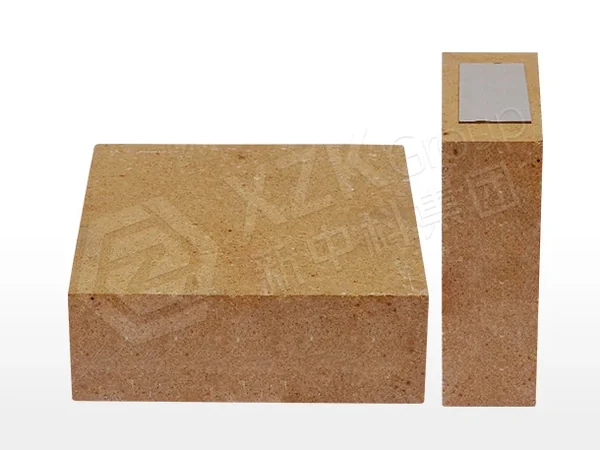
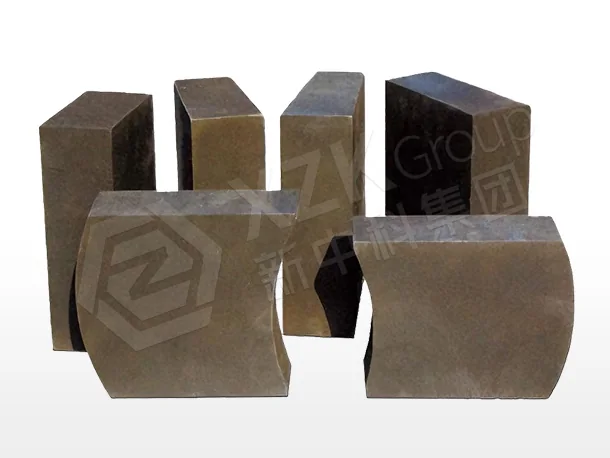
Explore complementary refractory brick grades and monolithic materials for your furnace relining.
Get Your BOF Magnesia Carbon Brick Quote within 12 Hours
Please specify your refractory requirements by referring to the following aspects:
- ✓ Target Application: Furnace type, lining position (slag line, hearth, roof)
- ✓ Technical Specs: Operating temperature, slag chemistry, chemistry requirements
- ✓ Quantity & Dimensions: Tonnage requirement, standard or custom CAD drawing
- ✓ Delivery Terms: FOB Qingdao/Tianjin, CIF destination port
Why Steel Plants Choose XZK Refractories
Zonal Engineering, Not Just Bricks
Every proposal is a zone-by-zone material schedule matched to your furnace profile and operating practice — so all zones reach end-of-life together.
Source Factory Consistency
Fully automatic CNC batching and zero-defect quality control keep batch-to-batch variation at laboratory level.
Proven Global References
Supplied to Baosteel, Shougang, Hyundai Steel, JSW, Severstal, MMK and 400+ furnace projects across 60+ countries.
Full-Lifecycle Service
Lining design, masonry supervision, heat-up curves and failure analysis — plus EPC turnkey delivery for new builds and relines.
Send Us Your Furnace Drawing
Our engineers will return a zonal lining proposal with material schedule and quotation within 48 hours — even for non-standard shapes.
- Free material feasibility review
- Zonal architecture & installation drawings
- Heat-up curve & masonry guidance
Strict ISO 9001 Process Control Across All 6 Workshops
Every batch of raw materials is chemically assayed. Finished refractory shapes undergo density, ultrasonic non-destructive testing, and pre-assembly gap verification prior to global packaging.
- Raw material ICP chemical assay on every incoming batch
- Density, porosity and cold crushing (CCS) tests per ASTM / ISO
- Ultrasonic non-destructive testing of finished shapes
- Pre-assembly gap verification before seaworthy packaging