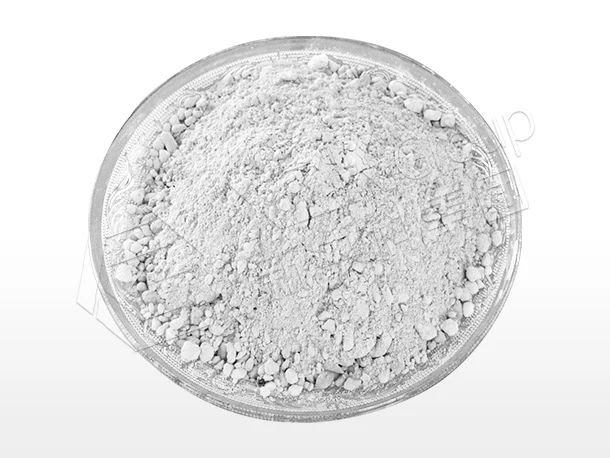
Corundum-Spinel Castable for Carbon-Free Steel Ladle Linings
Al₂O₃ ≥90–93% · MgO 4.5–7.5% · SiO₂ ≤0.5% · BD ≥3.10 g/cm³ · CCS ≥50–100 MPa · Service to 1750 °C — no carbon pickup.
Specifications of XZK Corundum Spinel Castable
Manufactured strictly in accordance with ASTM, ISO, and YB/T metallurgical refractory standards.
| Property | XZK-CH-18ASP | XZK-CH-18SP | XZK-CH-18ASPB | XZK-CH-18SPB | XZK-CH-16LD |
|---|---|---|---|---|---|
| Application | Ladle working lining | Ladle working lining | Ladle working lining | Ladle working lining | Permanent layer |
| Max Service Temperature (°C) ≤ | 1750 | 1750 | 1750 | 1750 | 1650 |
| Al₂O₃ (%) ≥ | 90.0 | 93.0 | 91.5 | 93.0 | 70.0 |
| MgO (%) ≥ | 7.5 | 4.5 | 6.5 | 5.0 | — |
| SiO₂ (%) ≤ | 0.5 | 0.5 | 0.5 | 0.5 | 15.0 |
| Bulk Density 110 °C (g/cm³) ≥ | 3.10 | 3.10 | 3.10 | 3.10 | 2.45 |
| Bulk Density 1000 °C (g/cm³) ≥ | 2.90 | 3.00 | 2.95 | 3.00 | 2.40 |
| Modulus of Rupture 1500 °C (MPa) ≥ | 18 | 16 | 28 | 20 | 8 |
| Crushing Strength 1500 °C (MPa) ≥ | 100 | 100 | 100 | 100 | 45 |
Values are typical production averages, not guaranteed minima. A batch-specific Certificate of Analysis is issued for every shipment; third-party inspection (SGS / BV / TÜV) can be arranged on request.
| Property Reported Above | ASTM | ISO | GB/T |
|---|---|---|---|
| Chemical composition — MgO, CaO, SiO₂, Fe₂O₃, Al₂O₃ | ASTM C574 | ISO 12677 | GB/T 5069 |
| Apparent porosity and bulk density | ASTM C20 | ISO 5017 | GB/T 2997 |
| Cold crushing strength | ASTM C133 | ISO 10059-1 | GB/T 5072 |
| Hot modulus of rupture (elevated temperature) | ASTM C583 | ISO 5013 | GB/T 3002 |
Every value in the tables above is determined by the method stated in this reference table, and the method is identified on the batch Certificate of Analysis. Where a property is not covered by a directly corresponding ISO method, the ASTM or GB/T method is applied as the reference method and stated accordingly. Third-party verification (SGS / BV / TÜV) can be arranged on request.
About XZK Corundum Spinel Castable
Corundum-spinel castable is the answer to a problem that brick cannot fully solve: carbon contamination. For ultra-low-carbon, IF and other carbon-critical grades, any carbon-bearing material in the working lining is a specification risk. A carbon-free castable removes the risk rather than reducing it.
Why Spinel, Not Just Purity
A pure alumina castable would be refractory but would shrink as it fires, and shrinkage means cracks. Adding magnesia to the matrix solves this: the MgO reacts with alumina in service to form magnesium aluminate spinel (MgAl₂O₄), and that reaction carries a controlled, permanent expansion. The expansion offsets the firing shrinkage, so the net dimensional change is close to zero and the working face stays tight.
This is the same principle that makes AMC brick seal its joints — applied here to a monolithic lining, where it prevents the cracking that would otherwise let steel and slag behind the working face.
The Silica Number Matters More Than Alumina
On a spec sheet, 90% versus 93% Al₂O₃ looks like the significant difference. In service, the SiO₂ figure usually matters more. Silica combines with other oxides to form low-melting phases at steelmaking temperature, and a castable with meaningful silica develops a softened, glassy surface layer that washes away rapidly. XZK working grades hold SiO₂ to 0.5%, which keeps the hot face genuinely refractory.
Reading the Grades
- XZK-CH-18ASP — 90% Al₂O₃, 7.5% MgO. Highest magnesia, maximum spinel formation and expansion control.
- XZK-CH-18SP — 93% Al₂O₃, 4.5% MgO. Highest alumina, lower expansion.
- XZK-CH-18ASPB / 18SPB — highest hot strength, with modulus of rupture to 28 MPa and crushing strength 100 MPa at 1500 °C.
- XZK-CH-16LD — 70% Al₂O₃ permanent-layer grade, service to 1650 °C.
Installation Determines the Outcome
Castable performance is created on site as much as in the factory. Water addition, mixing time, vibration, curing and heat-up each have more influence on campaign life than small differences between products. We issue all of them with the material, and for a first installation we recommend on-site supervision — it is usually the highest-return item in the package.
Supply
Minimum order 5 metric tons for standard grades and 10 metric tons for custom formulations, shipping in 7–14 days. Precast shapes are quoted to drawing. Batch test data covering density, strength at multiple temperatures, permanent linear change and chemistry ships with every lot.
Where This Grade Sits in the Lining System
Monolithic materials fail more often on installation than on specification. Water demand, mixing time, vibration and the first heat-up curve decide the outcome before the lining ever sees metal — which is why installation parameters are issued with the material instead of being left to site practice.
XZK supplies corundum spinel castable as one zone of a zoned package rather than as a standalone item: the grades normally zoned alongside it — among them alumina-magnesia castable — are documented on the monolithic refractories page, and the vessel-level architecture — where each zone starts and ends, and which mechanism actually limits the campaign — is set out on the steel ladle and RH/VD page.
Campaign data measured on this class of lining — including the wear profile that drove grade selection — is published in the JFE Steel RH degasser snorkel and ladle flow control programme project reference.
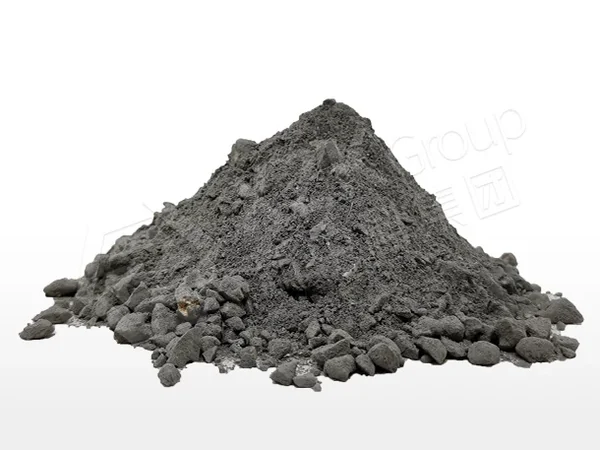
Corundum Spinel Castable — Production & Application Scenarios
Premium raw materials, CNC pressing, high-temp firing, and on-site installation.
Advantages of Choosing XZK Corundum Spinel Castable
Zero Carbon Pickup
For ultra-low-carbon, IF and other carbon-critical grades, any carbon in the working lining is a specification risk. Corundum-spinel castable removes the risk entirely rather than reducing it.
Very High Hot Strength
Crushing strength reaches 100 MPa at 1500 °C with modulus of rupture to 28 MPa on XZK-CH-18ASPB, giving the mechanical reserve to resist steel flow and slag wash through long sequences.
Spinel Formation Controls Volume
Magnesia in the matrix forms spinel in service, producing controlled expansion that offsets the shrinkage castables otherwise show at high temperature. That balance is what prevents cracking at the working face.
Very Low Silica
SiO₂ held to 0.5% on the working grades limits low-melting phase formation and keeps the hot face refractory rather than softening into a glassy layer.
Specific Applications of Corundum Spinel Castable
Proven performance across diverse heavy industrial thermal equipment.
Steel Ladle Working Lining
Carbon-free working linings for LF, RH, VD and CAS-OB routes on carbon-critical steel grades.
Ladle Bottom & Impact Pad
High-strength bottoms with spinel-forming expansion for joint-free, penetration-resistant construction.
Ladle Permanent Layer
XZK-CH-16LD at 70% Al₂O₃ for the safety/permanent lining behind the working face.
Other Clean-Steel Vessels
Tundish and special vessels where carbon contamination must be avoided.
400+ Furnaces Trust XZK Refractory Solutions
Over 75% of our international steel and kiln clients continue multi-year long-term procurement partnerships.
Carbon pickup was a recurring reject risk on our IF grades. A carbon-free working lining removed it as a variable entirely.
Hot strength at 1500 °C is the number we specify against, and it was met consistently across three shipments.
The controlled expansion meant we stopped seeing shrinkage cracks at the working face after the first few heats.
Installation parameters and the heat-up curve were supplied and were specific enough for a crew that had not used the material before.
Frequently Asked Engineering Questions
Click any question to expand; only one answer is shown at a time.
When should I use corundum-spinel instead of MgO-C or AMC?
When carbon contamination is a specification risk — typically ultra-low-carbon, IF and other carbon-critical grades — or when you want a joint-free monolithic working lining. Where carbon pickup is not a concern and slag corrosion is severe, MgO-C at the slag line still gives the longest life.
Why is MgO in an alumina castable?
To form spinel. The magnesia reacts with alumina in service to produce magnesium aluminate spinel, which brings controlled, permanent expansion. That offsets the firing shrinkage a castable would otherwise undergo and keeps the working face tight instead of cracked.
Why keep SiO₂ at 0.5%?
Silica forms low-melting phases with other oxides at steelmaking temperature. A castable with meaningful silica content develops a glassy, softened surface layer that wears quickly. Holding SiO₂ to 0.5% keeps the hot face refractory.
What is XZK-CH-16LD for?
It is the permanent (safety) layer grade: 70% Al₂O₃, 2.40–2.45 g/cm³, service to 1650 °C. It sits behind the working lining rather than in contact with steel, so it is specified for insulation and safety rather than maximum corrosion resistance.
What is the MOQ and lead time?
5 metric tons for standard grades and 10 metric tons for custom formulations, shipping in 7–14 days. Precast shapes are quoted to drawing.
What test data is supplied?
Bulk density after drying and after firing, modulus of rupture and crushing strength at multiple temperatures, permanent linear change, and chemistry. Batch COA ships with every lot.
Do you provide installation and heat-up guidance?
Yes — water addition, mixing, vibration, curing and a full heat-up curve. On-site supervision can be arranged, and for a first installation we strongly recommend it.
How is it packed?
25 kg moisture-barrier bags on ISPM-15 pallets with container desiccant for sea freight. Big-bag options available for larger orders.
Related Refractories & Lining Materials
Explore complementary refractory brick grades and monolithic materials for your furnace relining.
Get Your Corundum Spinel Castable Quote within 12 Hours
Please specify your refractory requirements by referring to the following aspects:
- ✓ Target Application: Furnace type, lining position (slag line, hearth, roof)
- ✓ Technical Specs: Operating temperature, slag chemistry, chemistry requirements
- ✓ Quantity & Dimensions: Tonnage requirement, standard or custom CAD drawing
- ✓ Delivery Terms: FOB Qingdao/Tianjin, CIF destination port
Why Steel Plants Choose XZK Refractories
Zonal Engineering, Not Just Bricks
Every proposal is a zone-by-zone material schedule matched to your furnace profile and operating practice — so all zones reach end-of-life together.
Source Factory Consistency
Fully automatic CNC batching and zero-defect quality control keep batch-to-batch variation at laboratory level.
Proven Global References
Supplied to Baosteel, Shougang, Hyundai Steel, JSW, Severstal, MMK and 400+ furnace projects across 60+ countries.
Full-Lifecycle Service
Lining design, masonry supervision, heat-up curves and failure analysis — plus EPC turnkey delivery for new builds and relines.
Send Us Your Furnace Drawing
Our engineers will return a zonal lining proposal with material schedule and quotation within 48 hours — even for non-standard shapes.
- Free material feasibility review
- Zonal architecture & installation drawings
- Heat-up curve & masonry guidance
Strict ISO 9001 Process Control Across All 6 Workshops
Every batch of raw materials is chemically assayed. Finished refractory shapes undergo density, ultrasonic non-destructive testing, and pre-assembly gap verification prior to global packaging.
- Raw material ICP chemical assay on every incoming batch
- Density, porosity and cold crushing (CCS) tests per ASTM / ISO
- Ultrasonic non-destructive testing of finished shapes
- Pre-assembly gap verification before seaworthy packaging