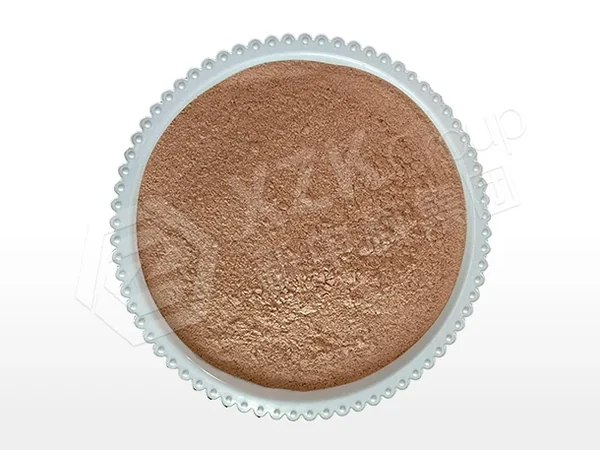
Monolithic Refractories · Refractory Series
Monolithic Refractories for Steel Plants — Castables, Ramming Mixes and Taphole Clay
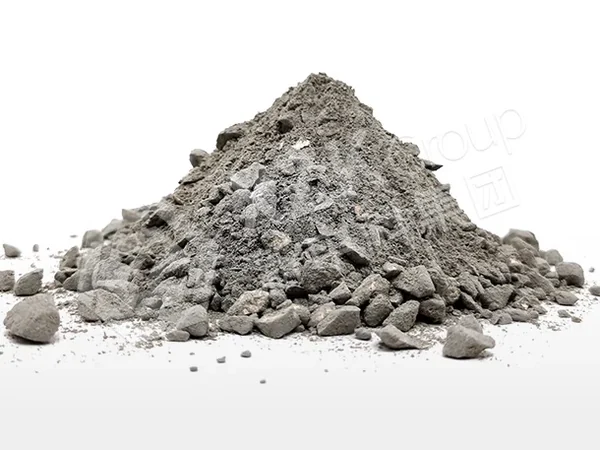
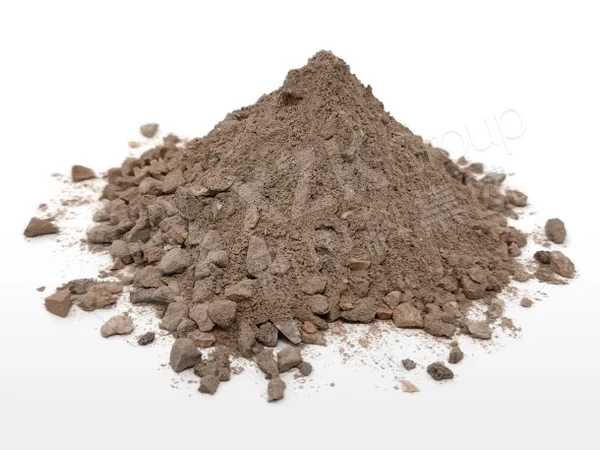
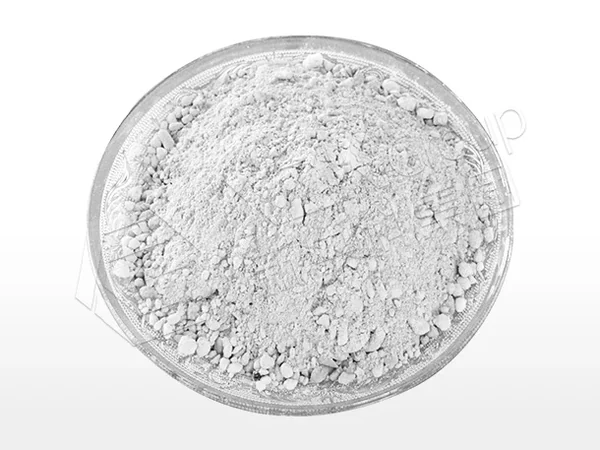
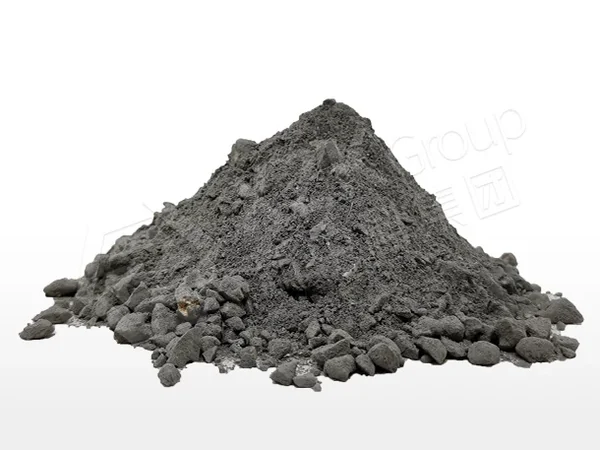
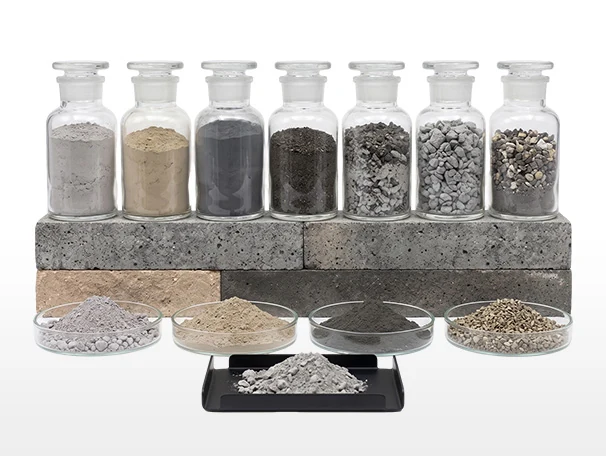
Full monolithic range for steel plants: ASC casthouse castables, corundum-spinel ladle bottom castables, EAF roof castables, dry ramming and dry vibratable mixes, water-free injection mix, eco-friendly waterless taphole clay, ladle filler sand, refractory mortars and cements.
- ASC casthouse castables for main, iron and slag runners
- Corundum-spinel and alumina-magnesia castables for carbon-free ladle linings
- EAF roof castables with chrome-oxide additions for arc radiation zones
- Eco-friendly waterless taphole clay with stable opening performance
- Dry ramming and dry vibratable mixes for hearths and tundishes
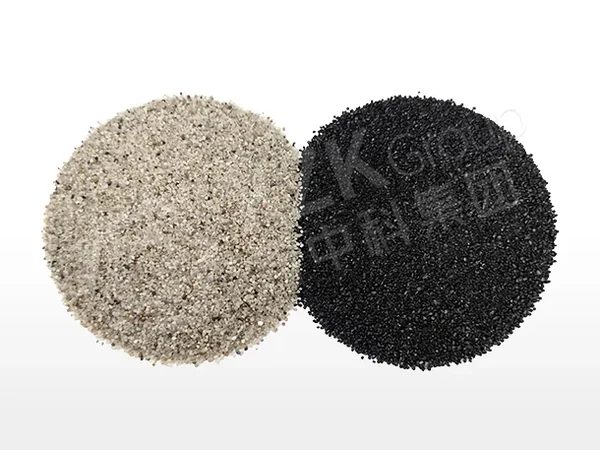
- Water-free injection mixes, ladle filler sand and refractory mortars
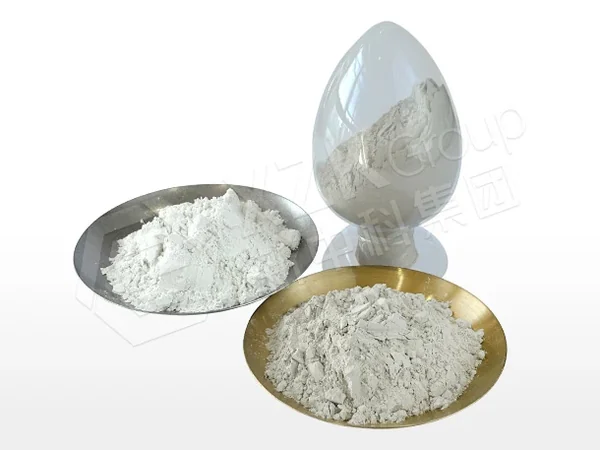
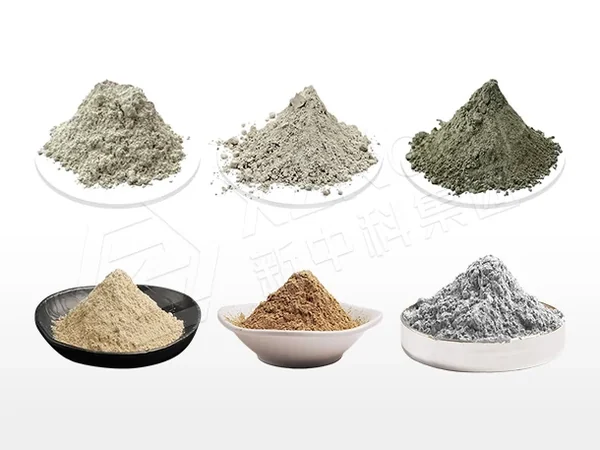
Monolithic Refractories Product List
Full TDS datasheets available on each product detail page. Click "Get Free Quote" to request factory pricing within 12 hours.
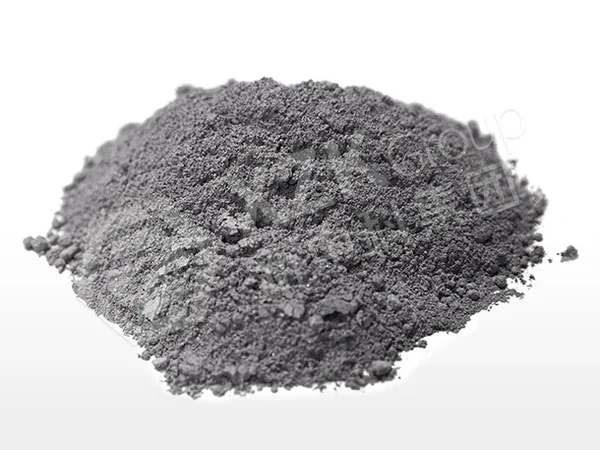
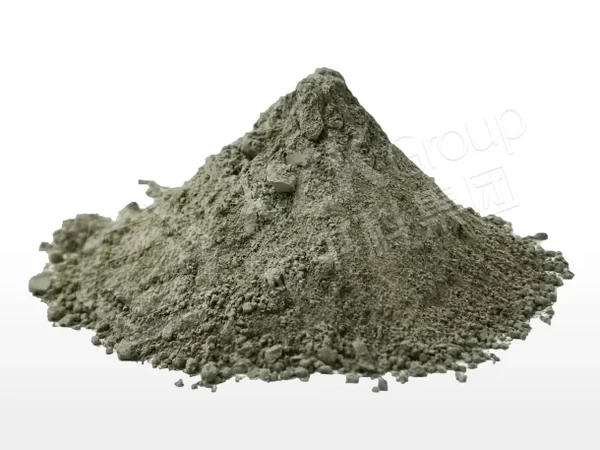
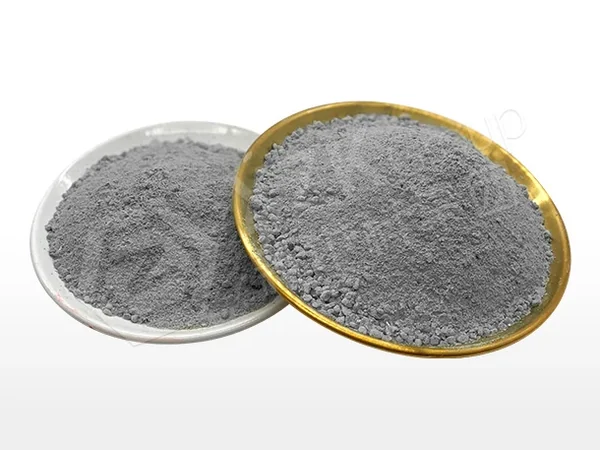
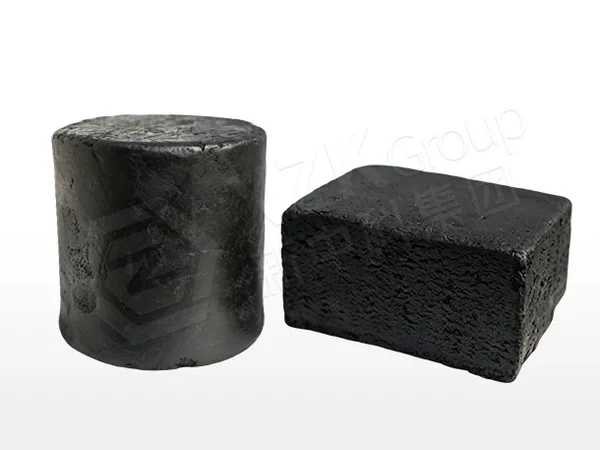
Selection Guide
Free Consultation with Our Engineer
How to Select the Right Monolithic Refractories Refractory Formulation for Your Furnace
Specifying Monolithics: Installation Quality Outweighs Product Grade
Monolithic refractories behave differently from brick. With brick, the material arrives finished and performance is largely fixed at the factory. With castables and mixes, a significant share of the final performance is determined on site — water addition, mixing time, vibration, curing and heat-up all have more influence on campaign life than small differences between products. Specification should therefore cover the installation envelope, not just the datasheet.
Step 1 — Match the Product Family to the Position
- Casthouse runners — ASC (Al₂O₃-SiC-C) castables, graded from the main runner down to the slag runner; select by iron throughput and slag volume, not by a single grade for the whole casthouse.
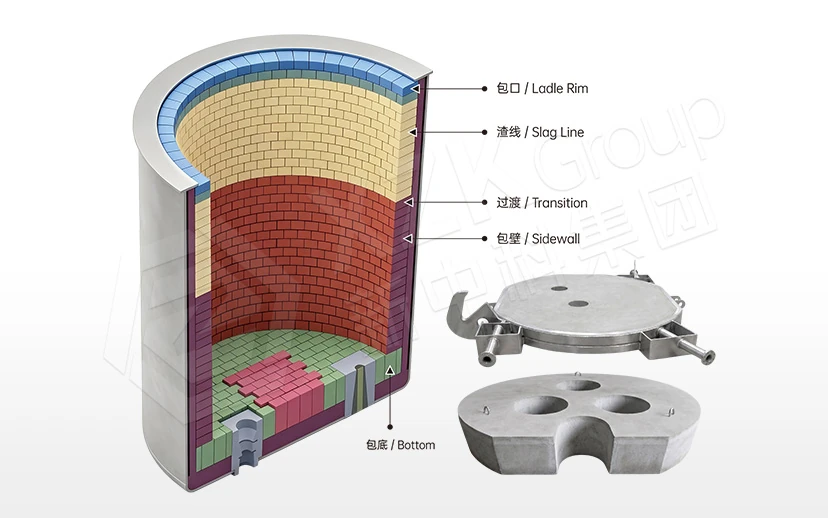
- Ladle bottoms and barrels — corundum-spinel or alumina-magnesia castables; choose carbon-free where carbon pickup is a specification risk.
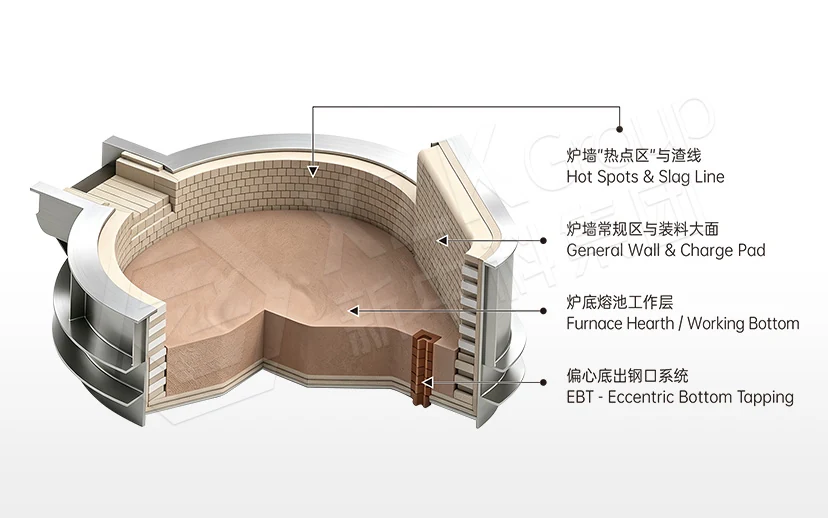
- EAF roofs and delta sections — high-alumina castables with chrome-oxide additions for arc radiation resistance.
- Tapholes — eco-friendly waterless clay, selected on furnace size, tapping frequency and taphole length targets.
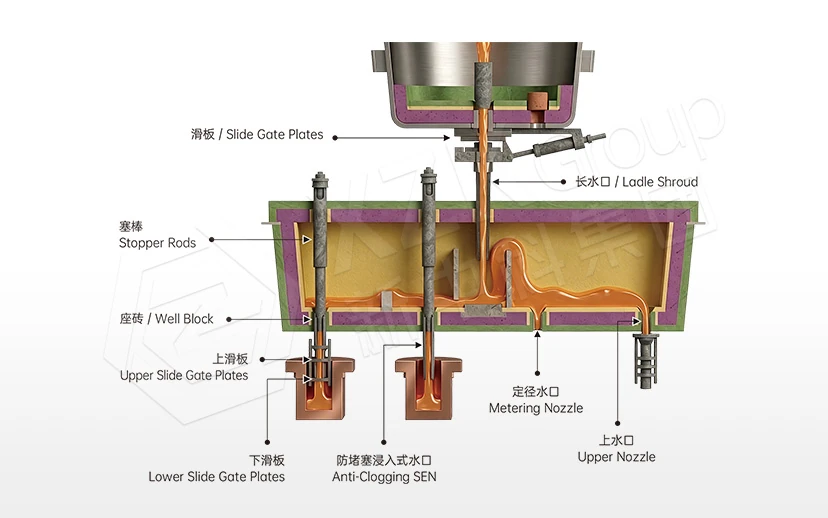
- Hearths and tundishes — dry ramming masses for EAF and induction furnace hearths; dry vibratable mixes for tundish working linings.
Step 2 — Lock Down the Installation Envelope
Before ordering, confirm water addition range, mixing equipment and time, vibration method, ambient temperature at installation, curing time, and the heat-up curve. We issue all of these with the material. Deviating from the specified water addition by even one percentage point can measurably reduce strength and erosion resistance.
Step 3 — Consider the Maintenance Cycle
Monolithics shine in maintenance. Gunning and repair mixes let you level a wear profile between planned outages, which is often cheaper than accepting a shortened campaign. Plan for it at specification stage: choose a gunning mix compatible with the parent lining and confirm the equipment and access required.
Step 4 — Verify Before Committing
For critical positions, run a trial panel or a single zone before converting the whole vessel. We support trials with material, installation guidance and post-mortem analysis of the worn panel.
Procurement FAQ — Monolithic Refractories
MOQ, lead time, packaging, shipment, payment — buyer-side concerns answered for this specific series.
What is the MOQ for castables and mixes?
5 metric tons for standard castables and dry mixes; 10 metric tons for custom formulations. Taphole clay is normally ordered by the pallet or container.
What is the shelf life?
Typically 6–12 months in original sealed packaging, stored dry and off the ground. Castables are hygroscopic: once a bag is opened or the material has picked up moisture, strength development is compromised. Every pallet is date-stamped.
Do you provide installation supervision?
Yes. We can supply written installation procedures and, for larger projects, dispatch an engineer for mixing, installation and heat-up supervision. This is frequently the highest-return item in a monolithic package.
How are bagged materials shipped?
Bagged on ISPM-15 heat-treated pallets with stretch wrap and, for sea freight, container desiccant. Big-bag and bulk-container options are available for high-volume repeat orders.
What payment and shipping terms apply?
T/T with deposit or L/C at sight; FOB Qingdao or Tianjin, CIF worldwide, or door-to-door. Shelf-life-sensitive materials are scheduled to ship as close to the production date as possible.
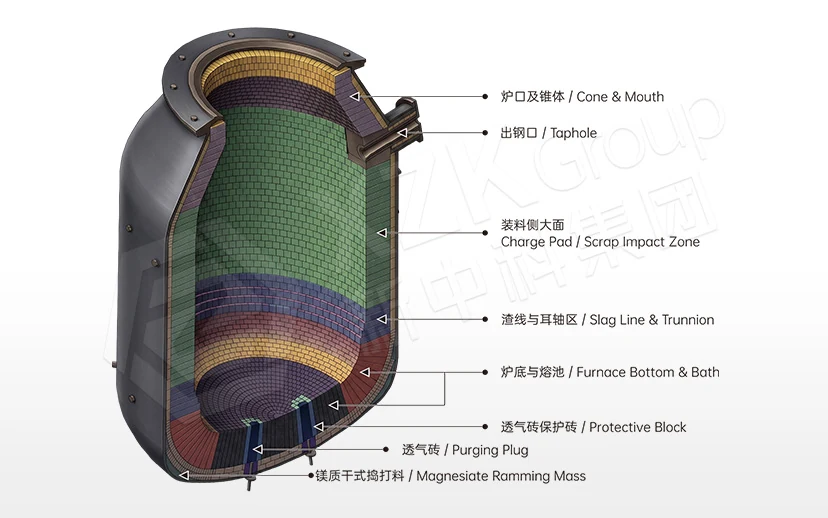
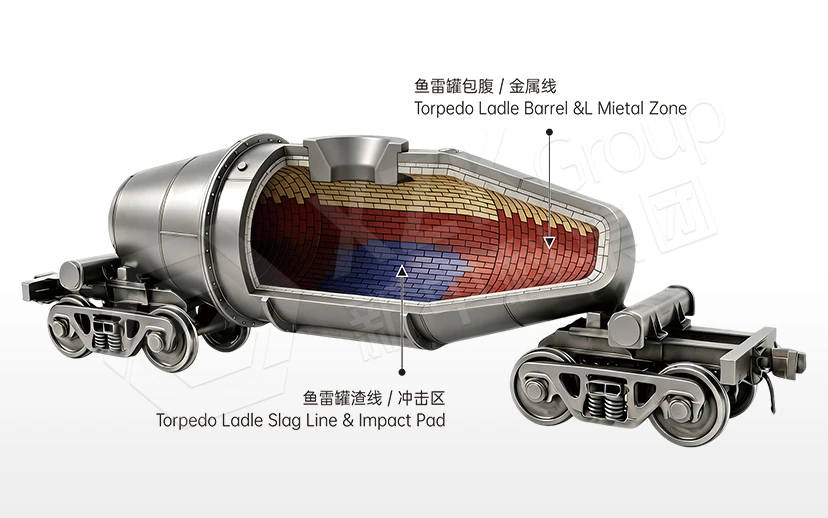
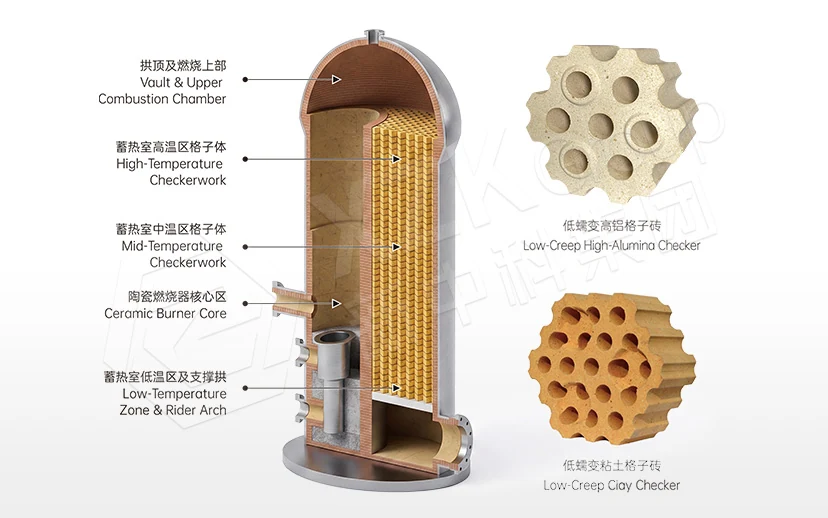
Where Monolithic Refractories Products Are Installed
Explore the furnace systems these refractories are engineered for — from blast furnace hearths to continuous casting flow control.
FAQs — Monolithic Refractories
When should a ladle bottom use castable instead of brick?
Castable bottoms remove the joints that dominate brick bottom failure and allow faster installation with less skilled labour. They are standard on most modern ladles; brick remains preferable where the bottom sees severe mechanical impact from scrap or heavy skull removal.
What is the advantage of a carbon-free corundum-spinel castable?
It eliminates carbon pickup into the steel, which matters for ultra-low-carbon and clean-steel grades, while spinel formation provides slag resistance and volume stability. The trade-off is generally higher material cost and stricter installation control than carbon-containing mixes.
How do I choose waterless versus water-bonded taphole clay?
Waterless clay gives more consistent opening behaviour, longer taphole length and lower fume emissions, and it is now the default on most medium and large furnaces. Water-bonded clay remains in use on smaller furnaces where cost sensitivity and existing practice outweigh the operational benefits.
What controls the service life of a casthouse runner castable?
Slag and iron chemistry, runner geometry, and — critically — installation quality. Water addition, mixing time, vibration and curing all have more influence on campaign life than small differences between products. We supply installation parameters with every castable and can provide on-site supervision.
Are dry mixes suitable for long casting sequences?
Yes. Modern eco-friendly magnesia dry vibratable mixes heat up quickly, keep the steel temperature, deskull cleanly between sequences and resist flux attack — which is why they are the standard choice for tundish working linings on long sequences.
What test data do you supply for monolithics?
Bulk density, modulus of rupture and crushing strength after drying and after firing at the relevant temperatures, permanent linear change, grain size distribution, water addition requirement, and — for injection mixes — flow value. Batch COA accompanies every shipment.
Why Steel Plants Choose XZK Refractories
Zonal Engineering, Not Just Bricks
Every proposal is a zone-by-zone material schedule matched to your furnace profile and operating practice — so all zones reach end-of-life together.
Source Factory Consistency
Fully automatic CNC batching and zero-defect quality control keep batch-to-batch variation at laboratory level.
Proven Global References
Supplied to Baosteel, Shougang, Hyundai Steel, JSW, Severstal, MMK and 400+ furnace projects across 60+ countries.
Full-Lifecycle Service
Lining design, masonry supervision, heat-up curves and failure analysis — plus EPC turnkey delivery for new builds and relines.
Send Us Your Furnace Drawing
Our engineers will return a zonal lining proposal with material schedule and quotation within 48 hours — even for non-standard shapes.
- Free material feasibility review
- Zonal architecture & installation drawings
- Heat-up curve & masonry guidance
Quality & Traceability
Strict ISO 9001 Process Control Across All 6 Workshops
Every batch of raw materials is chemically assayed. Finished refractory shapes undergo density, ultrasonic non-destructive testing, and pre-assembly gap verification prior to global packaging.
- Raw material ICP chemical assay on every incoming batch
- Density, porosity and cold crushing (CCS) tests per ASTM / ISO
- Ultrasonic non-destructive testing of finished shapes
- Pre-assembly gap verification before seaworthy packaging
100,000+
Metric Tons Annual Capacity
60+
Countries Export Footprint
6
Fully-Equipped Workshops
100%
ISO 9001:2015 Certified