Mexico · Monclova
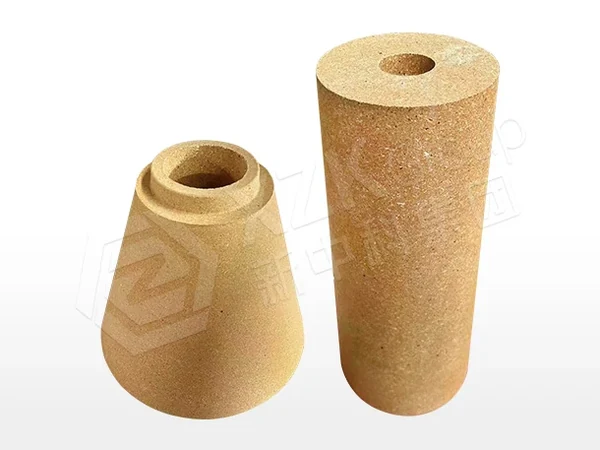
Altos Hornos de México (AHMSA) — 150 t Torpedo Car Full Refractory Package
150 t torpedo car — complete refractory supply
Read Case Study →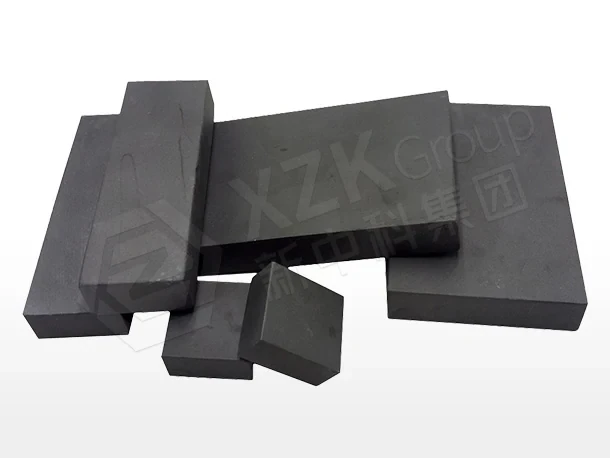
XZK supplies blast furnace stack and hearth refractories plus a complete 375 t ladle working lining set to MMK Magnitogorsk.
MMK Magnitogorsk is one of the cases where the value of consolidated supply was not in any single product but in the elimination of grade-mismatch downtime: the same engineering team specifying blast furnace stack, hearth and the 375 t steel ladle set, against one documentation standard and one delivery schedule.
Magnitogorsk operates large blast furnaces feeding a converter route with 375 t steel ladles and secondary refining. The plant's refractory scope spans three very different disciplines — carbon and ceramic hearth engineering, silicon carbide stack practice, and ladle working lining and flow control — which in a fragmented supply arrangement means three suppliers, three documentation formats, three delivery schedules and, when something wears unexpectedly, three parties with a plausible reason it was not theirs.
The immediate technical issues were position-specific. In the stack, alkali circulation and zinc penetration were attacking the alumino-silicate bond in conventional material while the burden column abraded the hot face. In the hearth, the design intent was to hold the 1150 °C isotherm inside the ceramic cup and away from the carbon block hot face for the full campaign, which requires both microporous carbon and an unbroken heat path to the coolers. In the ladle, the working lining was being forced by slag-line wear while the purging assembly was failing on a different, shorter cycle — so the ladle was coming down for the plug, not for the lining.
All three scopes shipped against one documentation standard: Certificates of Analysis in the same format, dimensional reports on the shapes where geometry governs, and flow-test records on the purging assemblies. Consolidation also permitted delivery sequencing — the stack material, hearth package and ladle set arrived against a single schedule, so no position waited on a separate supplier's lead time.
Stack brick was laid by course with expansion allowance and joint material specified for SiC chemistry. The hearth heat path was treated as a series circuit and verified: ramming mass placed to fill without shrinkage, contact behind the block confirmed, and cooling water flow measured against the design heat load before first tap — because a five-millimetre void behind a block insulates more effectively than any material choice can compensate. Ladle purging assemblies were set with the seat surface verified clean and undamaged, and the first heats run to the plug's designed stirring profile.
Consolidated supply removed the grade-mismatch downtime that had previously occurred when one position's material was ready and another's was not. Stack wear followed the course-by-course prediction, the hearth isotherm held inside the cup through commissioning and early operation, and the ladle purging assembly reached its planned change interval instead of forcing an unplanned one.
The transferable point is scope consolidation, not any particular grade. Where a plant's refractory scope spans furnace and ladle, splitting it across suppliers by product family optimises each purchase and sub-optimises the outage. One engineering team accountable for the whole lining removes the boundary where most schedule risk actually lives.
The stack grades are on the Si₃N₄-bonded SiC brick page, the hearth package on the microporous carbon brick and ceramic cup pages, the ladle side on the purging plug page, and the two system views on the blast furnace and steel ladle, RH and VD pages.
150 t torpedo car — complete refractory supply
Read Case Study →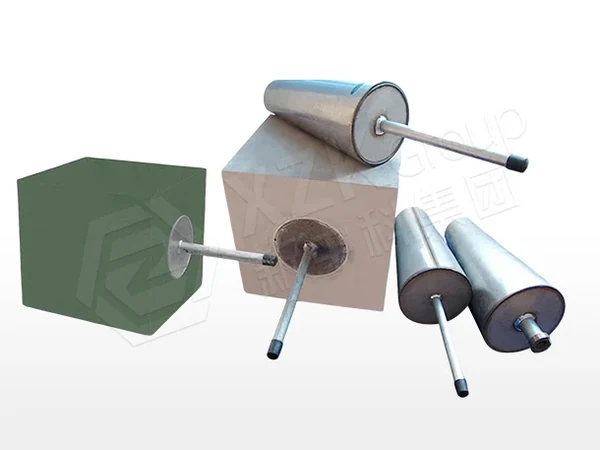
80–120 t EAF ladles — working lining, purging plug & well block
Read Case Study →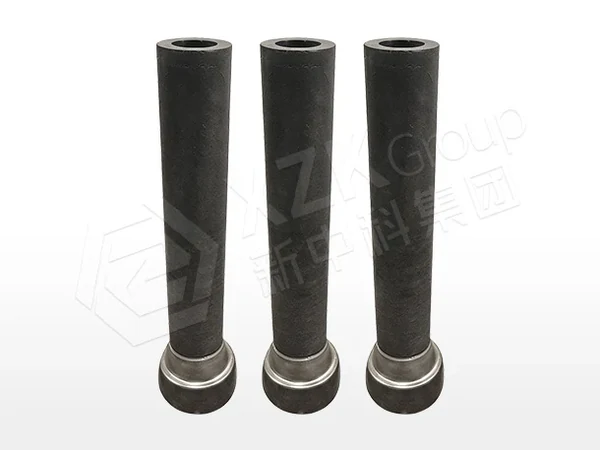
EAF slag line & ladle slide gate system
Read Case Study →Every batch of raw materials is chemically assayed. Finished refractory shapes undergo density, ultrasonic non-destructive testing, and pre-assembly gap verification prior to global packaging.