Mexico · Monclova
Altos Hornos de México (AHMSA) — 150 t Torpedo Car Full Refractory Package
150 t torpedo car — complete refractory supply
Read Case Study →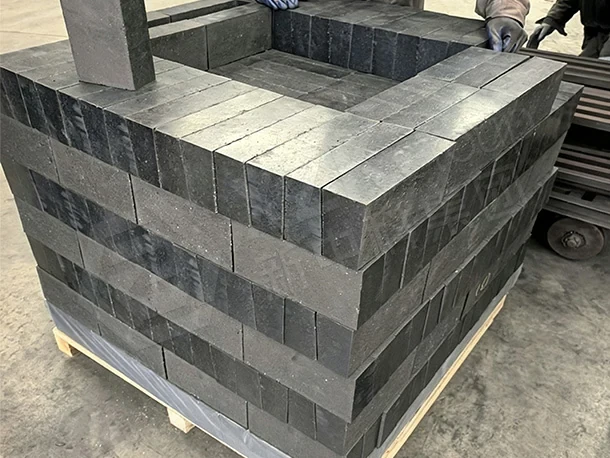
XZK supplies MgO-C working linings with bottom purging assemblies for 180 t BOF converters and ASC linings for 400 t torpedo cars at JSW Steel.
JSW Steel's 180 t BOF and 400 t torpedo car scope is a case where the decisive engineering detail was small: the converter's bottom purging assembly was supplied as a matched, machined set rather than as a plug with separately sourced furniture.
JSW operates high-productivity converters with a hot metal balance that leaves little slack, and 400 t torpedo cars sized accordingly. In that configuration, unscheduled converter downtime propagates quickly: either torpedos queue and cool, or the steelmaking rate falls. The plant's refractory requirement is therefore campaign predictability at least as much as campaign length.
The converter's forcing position was the bottom purging assembly, failing on a shorter cycle than the working lining. Failure analysis pointed at geometry rather than chemistry: penetration around the assembly begins with a gap, and gaps begin with a seat that was worn, a dimension out of tolerance, or an installation that compressed the wrong interface. Once steel finds the path, gas flow becomes erratic, stirring quality falls, and the plug change becomes an emergency instead of a plan — and the plug's metallurgy never gets the chance to matter.
On the torpedo side, the duty was the familiar three-fold one: slag erosion, thermal cycling on every trip, and reagent attack from the desulfurisation practice. A single-mechanism material would have addressed one of the three.
The purging assemblies shipped with flow-test records — flow rate at working pressure, opening pressure, and back-pressure behaviour at low flow — plus the inspection report from the factory dry trial-fit, so the receiving check verified what had been verified at manufacture. Torpedo and converter material carried Certificates of Analysis in the same format, and shapes were palletised by zone.
Installation supervision for the first matched assembly covered the three known failure points: seat surface clean and undamaged before setting, joint mortar to the specified grade and thickness, and the first heats run to the plug's designed stirring profile rather than the practice the previous plug tolerated. Torpedo throat castables were placed at metered water addition.
Supplying the converter bottom purging assembly as a matched machined set aligned its life with the working lining, removing a forcing position that had been ending campaigns early and, in its last phase, degrading stirring quality before failure. Torpedo wear followed the zonal prediction with the throat no longer the first position to limit the car.
Purging assembly performance was tracked as heats per assembly, split into planned and forced changes. That split is the whole point: a plug changed on schedule at a maintenance window costs its purchase price and a crew hour, while a plug changed because it stopped blowing costs the same purchase price plus the disrupted heat and the end-point control lost while stirring was degrading. Plants that separate the two figures almost always find most of their plug cost in the forced-change column, which is where a matched assembly pays for itself. Converter lining wear was recorded by zone against the zonal prediction, and the torpedo fleet by car, so that practice variation could be separated from material variation.
When a ladle or converter bottom fails, look at the seat before the chemistry. Most bottom failures are dimensional before they are metallurgical, and the fix — a matched, verified assembly — costs far less than the campaign it protects. The second transferable point is plug selection by steel route rather than by catalogue: diffuser designs for fine clean-steel stirring with the maintenance discipline that requires, directional designs where robustness and inspection access matter more.
The purge assembly components are on the purging plug and well block pages, the transport material on the ASC brick page, and the two system views on the BOF converter and casthouse and torpedo pages.
150 t torpedo car — complete refractory supply
Read Case Study →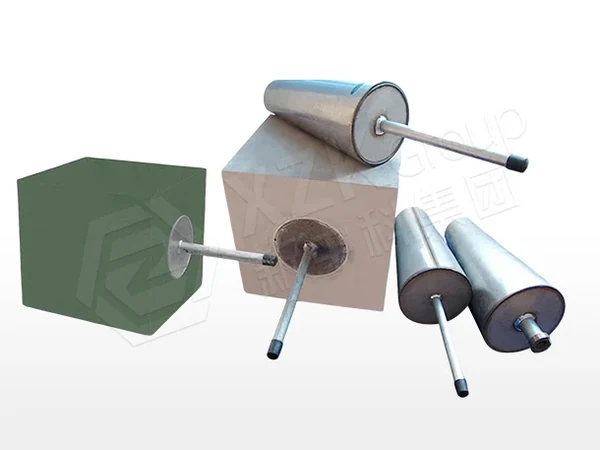
80–120 t EAF ladles — working lining, purging plug & well block
Read Case Study →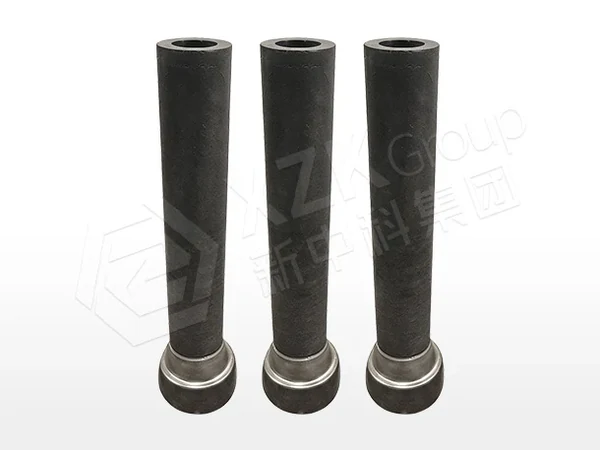
EAF slag line & ladle slide gate system
Read Case Study →Every batch of raw materials is chemically assayed. Finished refractory shapes undergo density, ultrasonic non-destructive testing, and pre-assembly gap verification prior to global packaging.