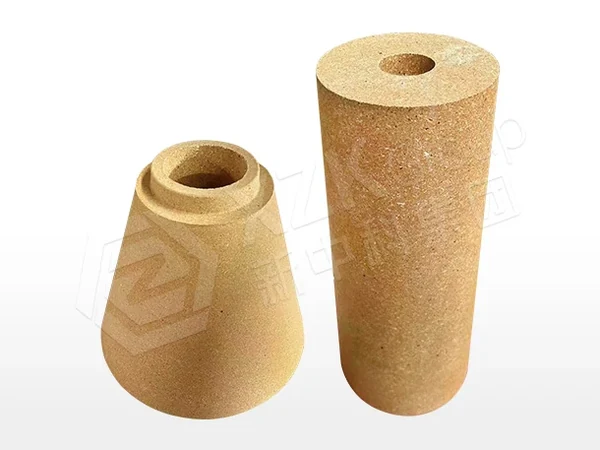
Mexico · Monclova
Altos Hornos de México (AHMSA) — 150 t Torpedo Car Full Refractory Package
150 t torpedo car — complete refractory supply
Read Case Study →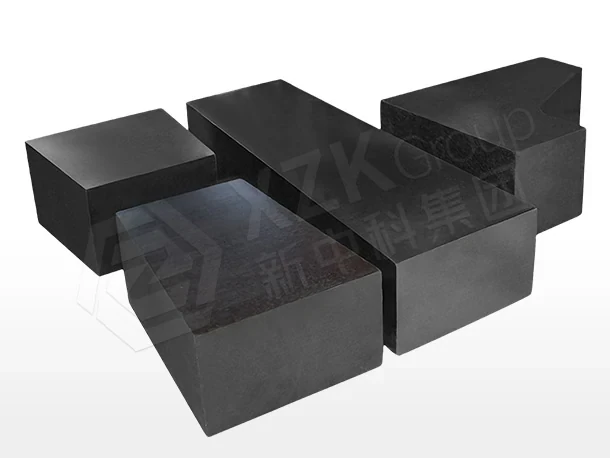
XZK supplies high-alumina, magnesia-carbon and magnesia working linings for torpedo ladles and BOF converters to Nippon Steel.
Long-term supply programmes are where refractory consistency actually gets tested. A single shipment can be made excellent; the question is whether the fourteenth shipment behaves like the first, eighteen months later, from different raw material lots. Nippon Steel's torpedo ladle and BOF working lining programme is a case where the deliverable was consistency as much as material.
A plant of this scale and quality discipline does not evaluate refractory on the first consignment. It evaluates on the distribution: whether the campaign-to-campaign spread is narrow enough that production planning can treat refractory as a known rather than a risk. That requirement puts the burden on batch verification and raw material control rather than on any single property figure.
The programme's two scopes have different consistency requirements. On the torpedo ladle, the forcing mechanism is thermal cycling plus slag and reagent attack, and the material answer is ASC — but ASC consistency is not just chemistry; it is the carbon and SiC distribution through the body, which drives thermal conductivity and erosion resistance in service. On the BOF working lining, the requirement is zonal: different positions need different grades, and grade continuity across campaigns matters because a plant that re-qualifies its lining every campaign cannot accumulate operating knowledge about it.
Each shipment carried Certificates of Analysis in a fixed format, with the same properties reported each time so that campaigns could be compared property by property. Where a raw material lot change moved a property, the change was reported with the shipment rather than absorbed silently — a practice that costs nothing and is the basis of the trust a long programme requires. Deliveries were scheduled against the maintenance plan.
Because the grade map was frozen, installation practice could be refined rather than relearned: joint thickness targets, throat castable water addition and heat-up curves were established once and then audited, with deviations corrected against a known baseline.
Consistent batch chemistry across the programme held the campaign-to-campaign spread narrow enough that refractory stopped being a planning variable. Grade continuity meant the wear data from one campaign was directly usable in the next, which is how a zonal map gets better instead of being rewritten.
Consistency is a manufacturing control problem before it is a testing problem, and the controls that matter are unglamorous. Raw material lots are qualified on arrival rather than at the supplier's certificate, because two magnesia lots with identical chemistry on paper can differ in grain sizing and sintering behaviour in ways that only show up in the pressed body. Pressing parameters are logged per batch, so a density drift is traceable to a press setting rather than discovered at the customer. Firing curves are recorded per kiln car. And the Certificate of Analysis reports the same property set every time in the same format, so a plant can lay two campaigns' certificates side by side and see immediately whether a property moved. Testing catches what control misses; it does not substitute for it. This is the reason a long programme can be quoted with confidence and a single shipment cannot be evaluated on its own.
Freeze the grade map. Plants that re-tender their lining specification every campaign cannot accumulate knowledge, because every campaign is a new experiment. The compounding benefit of a fixed map — practice refinement, wear history, forecast accuracy — is worth more than the small price improvement available from re-competing a known-good specification.
The transport side is documented on the ASC brick page, the converter side on the BOF magnesia carbon brick page, with system views on the casthouse and torpedo and BOF converter pages.
150 t torpedo car — complete refractory supply
Read Case Study →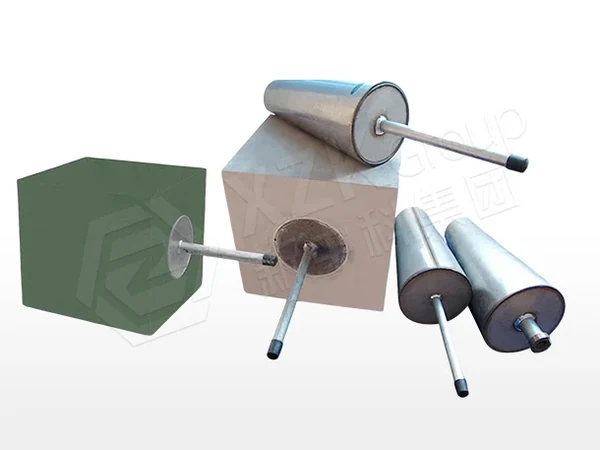
80–120 t EAF ladles — working lining, purging plug & well block
Read Case Study →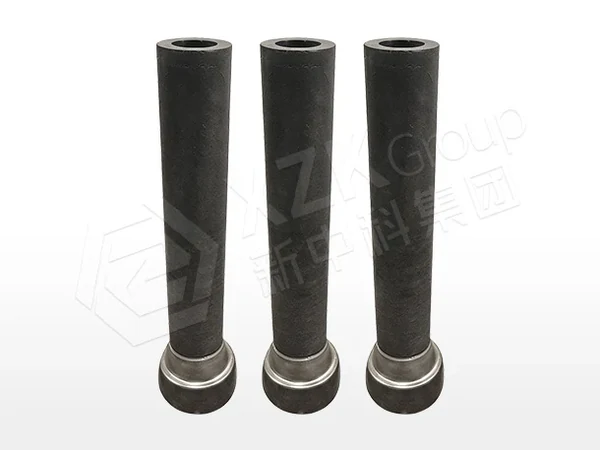
EAF slag line & ladle slide gate system
Read Case Study →Every batch of raw materials is chemically assayed. Finished refractory shapes undergo density, ultrasonic non-destructive testing, and pre-assembly gap verification prior to global packaging.