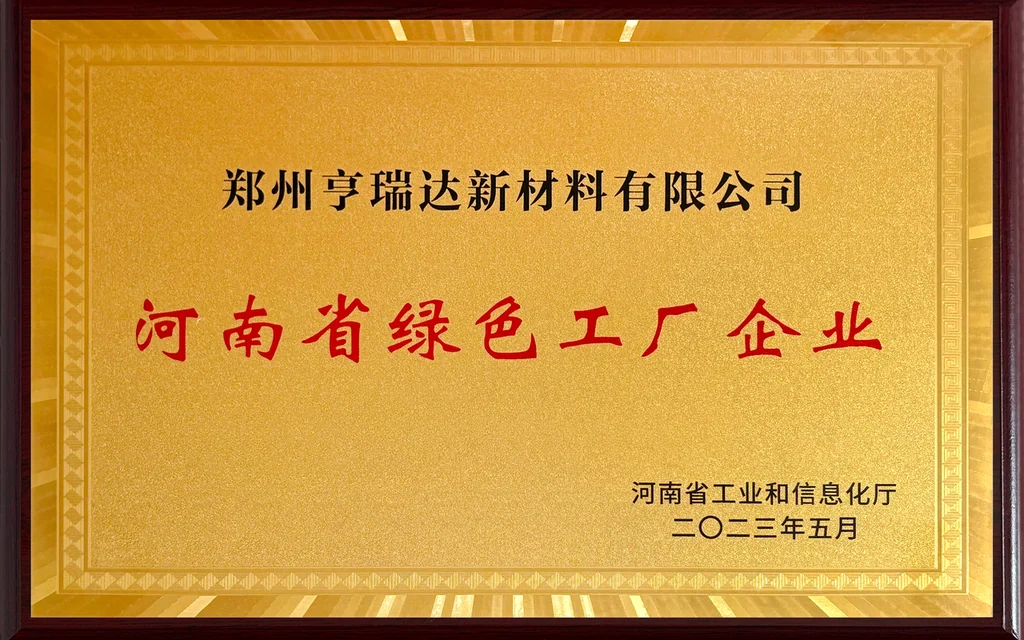
XZK Group has completed certification to ISO 50001 for energy management, adding to the ISO 9001 (quality), ISO 14001 (environment) and ISO 45001 (occupational health and safety) certifications already held at its Xinmi production base. With the fourth standard in place, the group now operates a complete, externally audited management system covering how products are made, how people and the environment are protected, and how energy is purchased, consumed and improved.
Why Energy Management Matters in Refractories
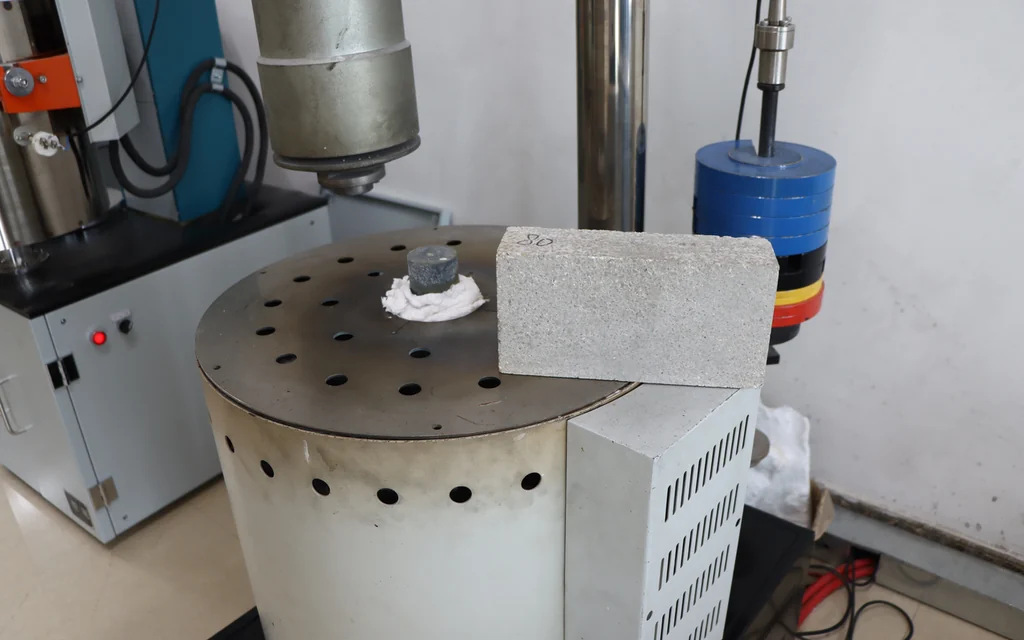
Refractory manufacturing is energy-intensive by nature. High-temperature firing and heat treatment dominate the energy profile of the plant: shaped products pass through tunnel kilns and shuttle kilns that run continuously at 1,500 °C and above, and every kilogram of fired product carries a measurable energy signature. That means energy management in our industry is not only a cost question — it is a direct contributor to the embodied carbon of the finished product.
For our customers, this matters in a very concrete way. Steelmakers and industrial kiln operators increasingly measure scope 3 emissions across their supply chains, and refractory consumption per ton of steel is part of that calculation. When a procurement or sustainability team assesses suppliers, the energy performance of the manufacturing site increasingly appears in the questionnaire — alongside chemistry, density and campaign life data that have always been there.
What the Standard Requires
ISO 50001 is not a one-off efficiency project. The standard requires a documented energy policy, a transparent baseline of consumption, defined objectives and measurable targets, and a management cycle that reviews performance and escalates corrective action. Certification is maintained through surveillance audits, so the system has to keep working between audits rather than being assembled for them.
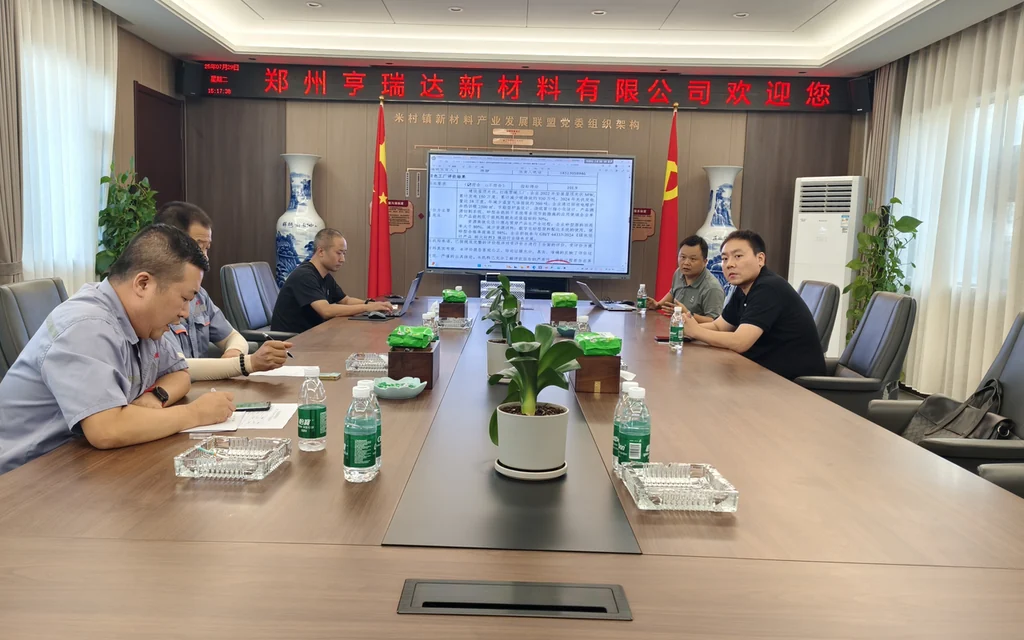
For XZK that has meant structured measurement across the six workshops — pressing, firing, machining, monolithics, packaging and the testing laboratory. Energy performance indicators are tracked per production line, significant energy uses such as kilns and thermal treatment equipment are reviewed alongside production planning, and deviations are treated with the same discipline as quality deviations: root cause, corrective action, verification.
How Certification Was Achieved
The certification process ran across three stages. First, an energy review established the baseline: where energy is consumed, which equipment dominates, and which variables — production volume, product mix, kiln campaign schedule — drive consumption. Second, objectives and action plans were defined and embedded into daily operations, from kiln loading practice to compressed air and lighting audits on the shop floor. Third, an external audit verified that the system conforms to the standard and that the review cycle functions in practice, not only on paper.
What It Means for Customers
In practical terms, certification gives procurement and sustainability teams a verifiable framework rather than a marketing claim. When a supplier questionnaire asks whether energy management is certified, the answer is now documented, auditable and current. Documentation is available on request for supplier qualification processes, and the certification sits alongside the batch-level quality documentation — Certificate of Analysis, dimensional reports and third-party inspection options — that already accompanies every shipment.
The Four-Standard System in Daily Practice
The value of holding four management standards together is that they reinforce each other. Energy performance is reviewed in the same management cycle as quality, safety and environmental performance, so a change in firing curve that saves energy is also evaluated for its effect on product quality and emissions. For a refractory manufacturer, where process discipline is the difference between a brick that holds a 15-year furnace campaign and one that does not, that integration is not administrative decoration — it is how the plant actually runs.
If your supplier qualification process requires certification documentation, contact our export team and we will provide the current certificates together with the batch documentation package for the grades you buy.
What Happens Between Audits
A management standard is only worth what happens between audits. Under ISO 50001, energy performance is reviewed on the same rhythm as production: monthly indicator tracking against the baseline, quarterly management review with documented actions, and an annual internal audit ahead of the external surveillance visit. When an indicator drifts — a kiln consuming above its regression line, a compressed air circuit losing pressure overnight — the deviation enters the same corrective-action loop as a quality or safety finding, with a named owner and a verification step before closure.
This operating rhythm is also what makes the certification transferable across product lines. A new workshop, a new kiln or a shift in product mix does not reset the system; the energy review is updated, new significant energy uses are incorporated, and the baseline is recalculated under the documented procedure. For customers who audit their suppliers in person, this is the difference between a plant that prepared for the audit and a plant that runs this way every week.
Common Questions from Procurement Teams
- Does certification change product pricing? Not directly, and it is not designed to. Energy efficiency reduces production volatility and embodied carbon; the commercial benefit that customers see is process discipline — the same systems thinking that keeps chemistry and density consistent batch to batch.
- Is the certificate site-specific? Yes. ISO 50001 certificates apply to a defined site and scope. Ours covers the Xinmi production base, which is where the majority of export production is manufactured.
- Can we verify it independently? Yes. The certificate is issued by an accredited certification body and verifiable through that body's public register, so your qualification team can confirm status without relying on a supplier document alone.
- How does it interact with ISO 14001? The two standards share the same high-level structure. Energy management feeds the environmental management review, so objectives do not conflict — an efficiency action is evaluated for its emissions effect at the same time.
The Direction of Travel
Greenhouse gas reporting frameworks are moving supply chain emissions from voluntary to expected, and refractory consumption is part of every steelmaker's purchased-goods inventory. A certified energy management system does not eliminate embodied carbon, but it establishes the measurement infrastructure that any reduction programme requires. Suppliers who cannot measure energy today will not be able to report embodied carbon credibly tomorrow — which is, ultimately, why XZK treats this certification as a customer requirement rather than an internal project.